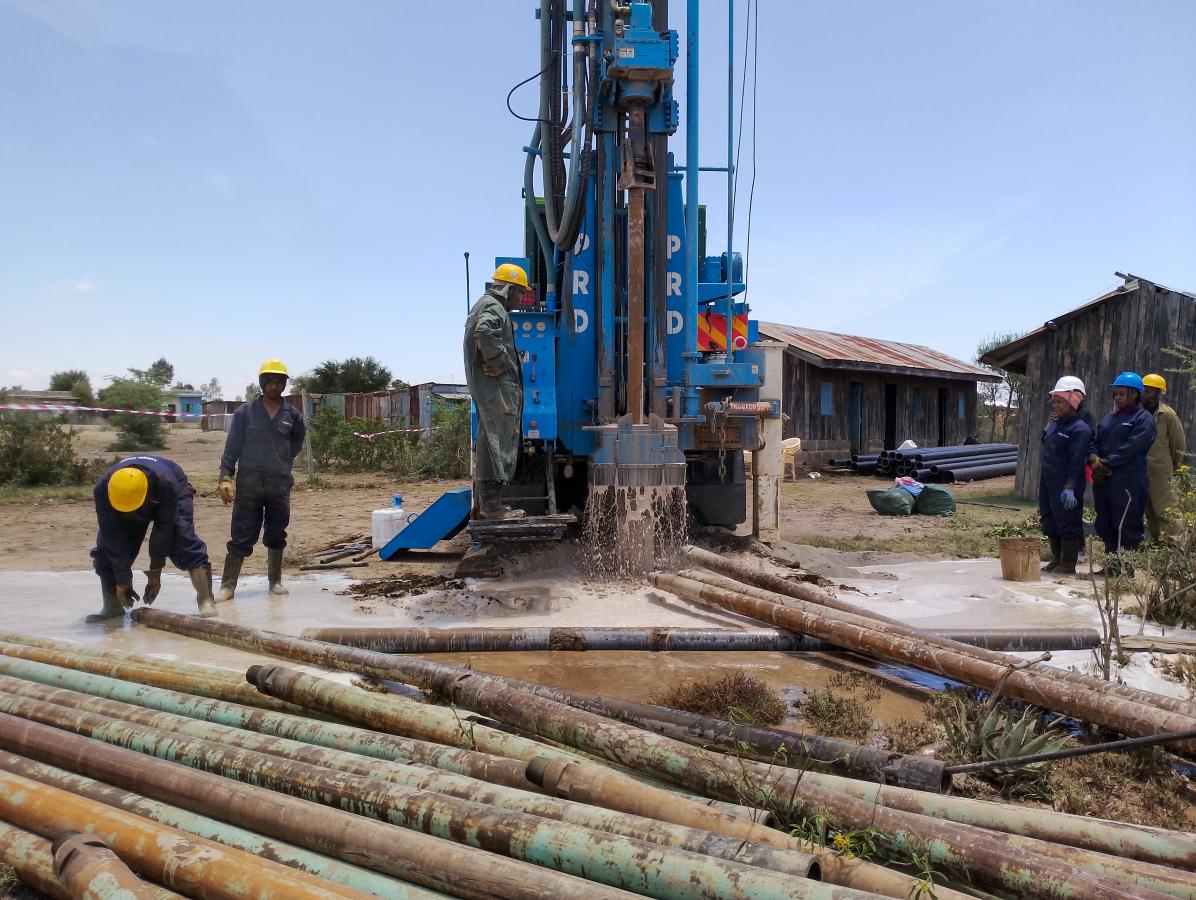
An Environmental Impact Assessment (EIA) for borehole drilling is a systematic process to evaluate the potential environmental effects of drilling activities on surrounding ecosystems, water resources, and communities. It aims to identify and mitigate potential adverse impacts while promoting sustainable development. Here are key components typically included in an EIA for borehole drilling:
- Scoping and Baseline Data Collection:
- Scope Definition: Define the boundaries, objectives, and methodology of the EIA, identifying key environmental factors to be assessed.
- Baseline Data: Collect baseline information on geology, hydrogeology, surface water quality, vegetation, wildlife, and socio-economic conditions in the project area.
- Impact Identification and Prediction:
- Direct Impacts: Identify direct impacts of drilling activities such as land disturbance, vegetation removal, noise, and air emissions from equipment.
- Indirect Impacts: Consider indirect impacts like changes in groundwater quality, alteration of hydrological regimes, and disturbance to wildlife habitats.
- Cumulative Impacts: Assess cumulative impacts from multiple borehole drilling projects in the region over time.
- Mitigation and Management Measures:
- Impact Mitigation: Propose measures to avoid, minimize, or mitigate identified impacts, such as using best available drilling techniques and technologies.
- Monitoring Plans: Develop environmental monitoring programs to track key parameters during drilling, well development, and post-construction phases.
- Contingency Plans: Prepare contingency plans to respond to unexpected environmental incidents or emergencies during drilling operations.
- Stakeholder Engagement and Consultation:
- Public Consultation: Engage with local communities, stakeholders, and regulatory authorities to gather input, address concerns, and incorporate local knowledge into the assessment.
- Social Impacts: Assess potential socio-economic impacts on communities, including changes in access to water resources, employment opportunities, and cultural practices.
- Regulatory Compliance and Permitting:
- Legal Requirements: Ensure compliance with national and local environmental regulations, obtaining necessary permits and approvals before drilling begins.
- Environmental Management Plan (EMP): Develop an EMP outlining specific measures and responsibilities for environmental protection and monitoring throughout the project lifecycle.
- Reporting and Decision Making:
- EIA Report: Compile findings, assessments, and proposed mitigation measures into a comprehensive EIA report for review by regulatory authorities and stakeholders.
- Decision Making: Provide recommendations based on the EIA findings to inform decision-makers about potential environmental impacts and mitigation strategies.
- Post-Project Monitoring and Auditing:
- Post-Construction Monitoring: Conduct post-project monitoring to assess the effectiveness of mitigation measures and address any residual impacts.
- Environmental Auditing: Periodically audit compliance with environmental commitments and regulatory requirements to ensure ongoing environmental stewardship.
An effective EIA for borehole drilling ensures that environmental concerns are addressed proactively, minimizing negative impacts and promoting sustainable development practices. It facilitates informed decision-making, enhances public trust, and contributes to the long-term environmental and socio-economic sustainability of drilling projects.