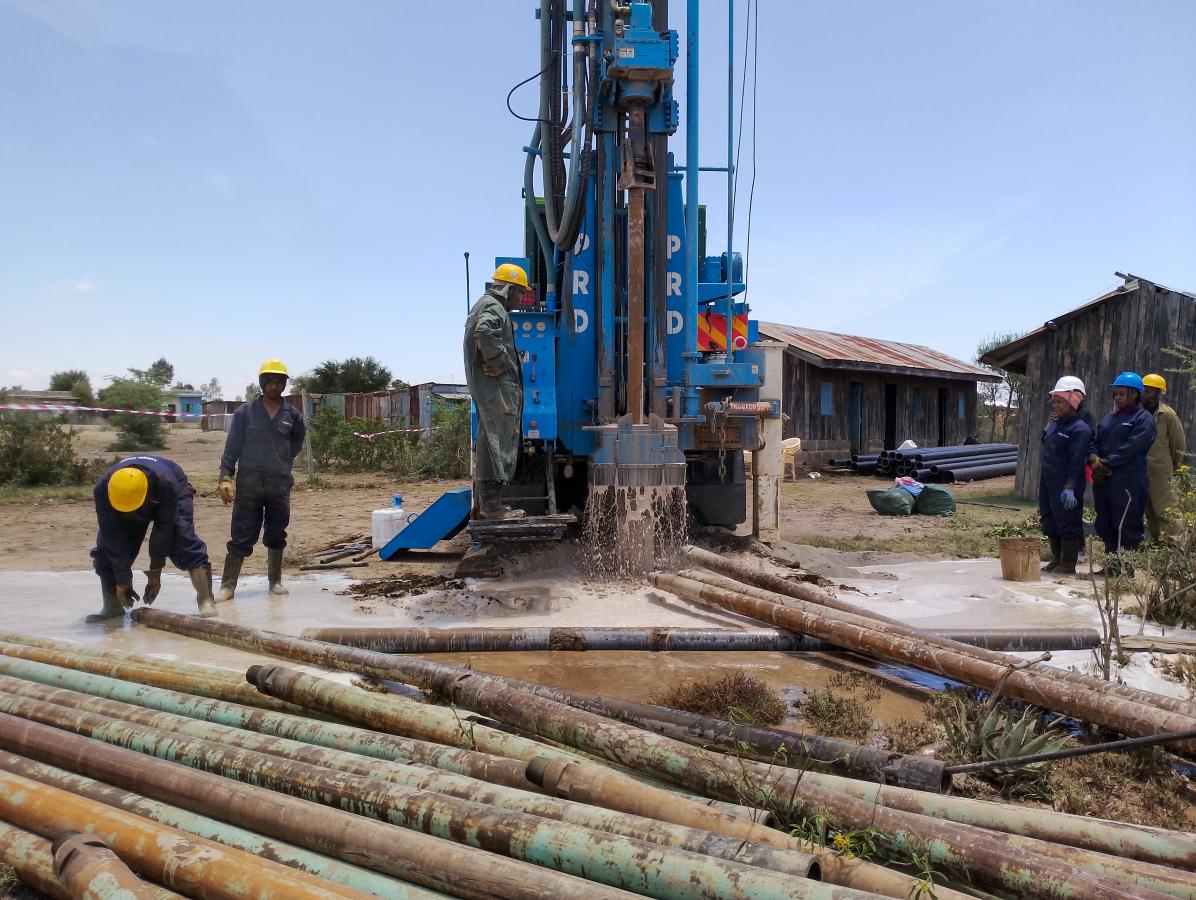
Water from a borehole is often assumed to be clean, safe, and natural. But in reality, underground water is not automatically potable—it can contain contaminants like bacteria, fluoride, nitrates, heavy metals, or even industrial waste. In Kenya, where boreholes are increasingly relied upon for drinking, irrigation, and commercial use, regular water quality testing is essential to ensure safety and compliance with national standards.
This article explores the critical importance of borehole water quality testing in Kenya, the parameters tested, where to get the tests done, how often to test, the regulatory requirements, and what to do if contamination is found.
Why Test Borehole Water Quality in Kenya?
Water quality testing ensures the water from your borehole is safe, clean, and fit for its intended purpose. Here are the top reasons to carry out testing:
1. Health and Safety
Contaminated water can cause serious health issues, including:
-
Diarrhea, cholera, and typhoid (from bacterial contamination)
-
Dental and skeletal fluorosis (from high fluoride levels)
-
Cancer or organ damage (from nitrates, heavy metals)
2. Regulatory Compliance
The Water Resources Authority (WRA) and the Ministry of Water and Sanitation require water quality testing for:
-
New boreholes (after drilling)
-
Abstraction permits (especially for drinking or commercial use)
-
Annual renewals for institutions or high-volume users
3. System Efficiency and Longevity
Hard water with high mineral content can clog pipes, damage pumps, and reduce system efficiency. Testing helps determine if treatment, like softening or filtration, is needed.
4. Environmental Monitoring
Testing helps detect pollution from nearby latrines, septic tanks, factories, or agricultural runoff, allowing for quick action before ecosystems or communities are harmed.
Common Water Quality Issues in Kenyan Boreholes
Depending on the location, the geology, and human activities nearby, borehole water may contain the following contaminants:
| Contaminant | Source | Health/Impact Risk |
|---|---|---|
| Bacteria (E. coli) | Human/animal waste infiltration | Waterborne diseases (cholera, typhoid) |
| Fluoride | Natural (e.g., Rift Valley regions) | Dental and skeletal fluorosis |
| Nitrates | Fertilizers, sewage | Blue Baby Syndrome (infants) |
| Iron/Manganese | Natural rock formations | Stains, metallic taste, pipe clogging |
| Salinity | Coastal zones, over-abstraction | Corrosive water, poor taste |
| Heavy metals (e.g., lead, arsenic) | Industrial waste, corrosion | Toxic effects on organs, cancers |
Parameters Tested in Borehole Water
Water quality testing is generally divided into four main categories, based on what is being measured:
1. Physical Parameters
-
Colour: Should be clear.
-
Odour: Should have no foul or chemical smell.
-
Turbidity: Measures how cloudy the water is; should be low.
-
Temperature: Affects microbial growth.
2. Chemical Parameters
-
pH: Should range between 6.5 and 8.5.
-
Total Dissolved Solids (TDS): High TDS affects taste and hardness.
-
Fluoride: WHO limit is 1.5 mg/L.
-
Iron and Manganese
-
Nitrates: Should be below 50 mg/L.
3. Microbiological Parameters
-
E. coli: Should be absent in drinking water.
-
Total coliforms: Indicators of fecal contamination.
4. Heavy Metals (where applicable)
-
Lead, Arsenic, Chromium, Zinc (especially near industrial areas or mining zones)
Where to Get Water Quality Testing in Kenya
Water quality testing should be done by licensed and accredited laboratories to ensure reliability. In Kenya, these include:
1. Government Laboratories
-
Kenya Water Institute (KEWI): Nairobi, Kitui, Kisumu
-
Government Chemist: Regional branches countrywide
-
County Water Departments
2. Private Laboratories
-
SGS Kenya
-
Bureau Veritas
-
Aquatech Water Labs
-
ChemLab
-
Other WRA-approved labs
3. University Research Labs
Institutions like JKUAT, the University of Nairobi, and Egerton also conduct tests, especially for research or NGO-supported projects.
How Much Does Water Testing Cost in Kenya?
The cost of water testing depends on the parameters tested and the type of report required. Most laboratories offer test packages tailored for domestic, industrial, or agricultural users.
Sample Cost Estimates (2025):
| Test Package | Cost (KES) |
|---|---|
| Basic (Bacteria, pH, Turbidity) | 5,000 – 8,000 |
| Comprehensive (Physical + Chemical + Biological) | 10,000 – 20,000 |
| Advanced (Includes Heavy Metals) | 20,000 – 40,000+ |
Discounts are often offered for bulk testing (e.g., for schools or housing estates).
How Often Should You Test Your Borehole Water?
Frequency of testing depends on the purpose of the borehole and its risk exposure.
| Use Case | Recommended Frequency |
|---|---|
| Drinking Water (Domestic) | Every 6–12 months |
| Schools & Institutions | Twice a year (mandatory by MoH) |
| Irrigation/Livestock Use | Once every 1–2 years |
| New Boreholes | Immediately after drilling |
| Industrial/Commercial Use | Quarterly or as per license terms |
Water Quality Standards in Kenya
Kenya aligns its water quality standards with international benchmarks such as WHO guidelines and KEBS (Kenya Bureau of Standards).
The relevant standards include:
-
KS 459 Part 1 (2010): Drinking water specification
-
WHO Guidelines for Drinking Water Quality (4th Edition)
-
WRA Guidelines for Water Abstraction and Quality Monitoring
Any borehole meant for public or commercial water supply must meet these minimum standards or install treatment systems.
What If Contamination Is Detected?
Finding contaminants doesn’t mean the borehole must be abandoned. Several remediation or treatment solutions are available:
1. For Bacterial Contamination:
-
Shock chlorination
-
UV treatment systems
-
Filtration with activated carbon or ceramic filters
2. For High Fluoride:
-
Bone char filtration
-
Reverse osmosis
-
Blending with low-fluoride water
3. For High Iron/Manganese:
-
Aeration + sand filtration
-
Oxidation filtration systems
4. For Nitrates:
-
Ion exchange
-
Reverse osmosis
-
Avoiding excessive fertilizer use near the borehole
In some cases, deepening the borehole or drilling in a different location might be necessary if aquifer contamination is permanent.
How to Collect and Submit Samples
Most labs require water to be delivered in sterile, sealed containers. Some offer field collection services.
Tips for Sample Collection:
-
Let the pump run for 5–10 minutes before sampling.
-
Use clean hands or gloves.
-
Do not touch the inside of the bottle cap.
-
Label the sample with date, time, and location.
-
Transport in a cool box if testing will take more than 2 hours.
Final Thoughts
Water from a borehole may look clear and taste fine, but only through professional testing can you confirm it’s truly safe. With Kenya’s growing reliance on groundwater sources, especially in urban expansion areas and arid counties, water quality monitoring is no longer optional—it’s a public health responsibility.
By investing in regular testing and complying with WRA, KEBS, and MoH guidelines, you protect your family, customers, and community from preventable harm. Moreover, testing helps preserve your pump, piping system, and the surrounding environment.
Remember: safe water is not just about quantity—it’s about quality.