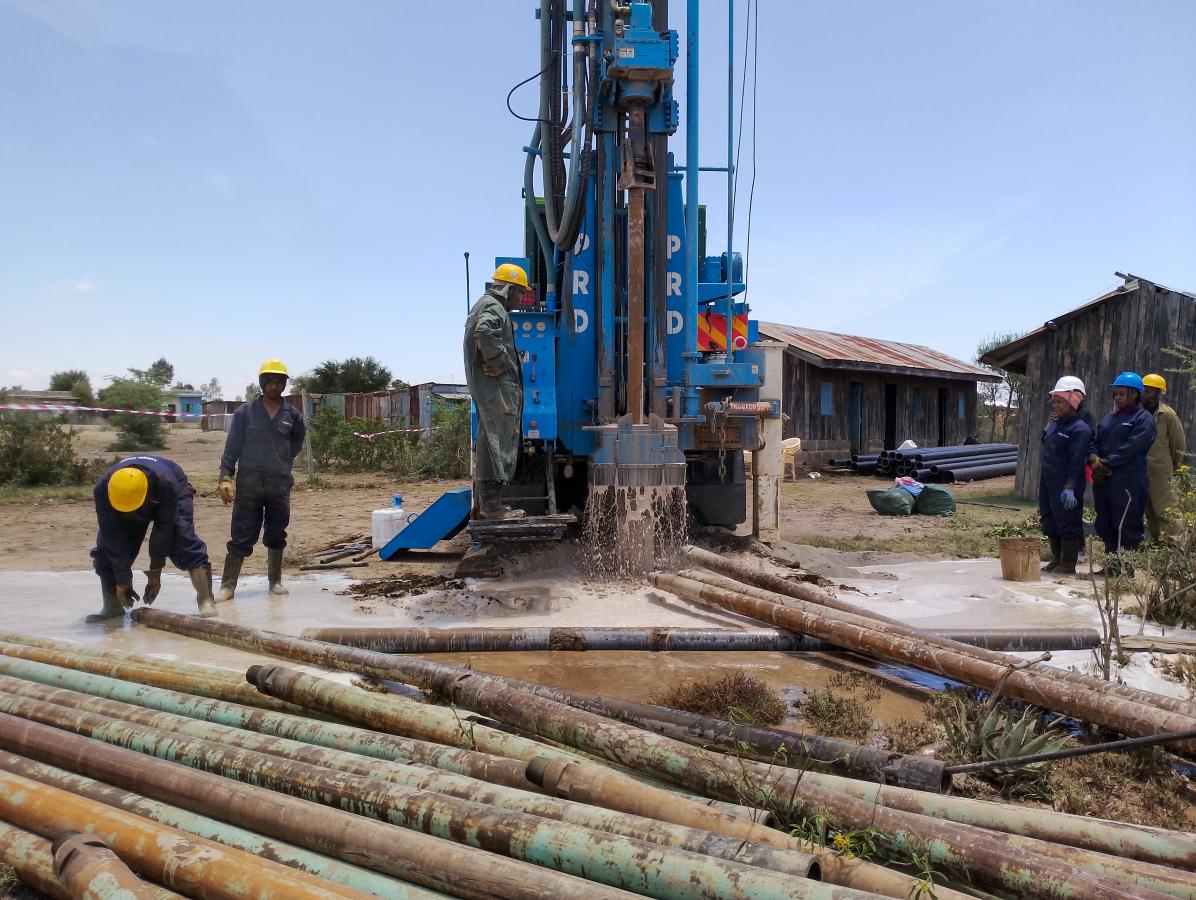
Access to clean and reliable water remains one of the most pressing needs across Kenya, especially in rural, peri-urban, and arid regions. With public water supply systems often inadequate or unreliable, drilling a borehole has become an attractive solution for homes, farms, schools, institutions, and even commercial enterprises.
However, one of the first questions people ask is: How much does it cost to drill a borehole in Kenya? The answer is not simple or fixed. The total cost of borehole drilling can vary significantly depending on several technical, geographic, and logistical factors.
In this comprehensive guide, we break down the key factors that influence borehole drilling costs in Kenya so that you can plan effectively and make informed decisions.
1. Location and Accessibility
The geographic location of your property plays a major role in determining drilling costs. Kenya’s terrain is diverse, ranging from rocky highlands to sandy plains and volcanic soils. These geological differences impact:
-
Drilling equipment needed
-
Travel and mobilization time
-
Soil or rock hardness
Remote Areas:
If your site is located in a remote or difficult-to-reach area, the cost of transporting heavy drilling equipment (trucks, rigs, compressors, pipes) will be higher. This adds to the total bill.
Urban vs Rural:
Urban areas typically have better roads and logistics, which can reduce mobilization costs. Conversely, rural areas may require extra equipment to handle rough terrain or to create temporary access routes.
💡 Tip: Share exact GPS coordinates with potential drillers for more accurate cost estimates.
2. Geological Conditions and Soil Type
The type of ground formation has a direct impact on drilling difficulty, time, and cost.
Common Formations in Kenya:
-
Hard rock (e.g., basalt, granite): Found in places like Kitui, Machakos, and Murang’a. Requires rotary drilling with specialized bits. Drilling is slower and costlier.
-
Soft alluvial soils (e.g., sandy, loamy): Found near rivers or lakes like Kisumu or Tana River. Easier to drill but may need casing to prevent collapse.
-
Volcanic soils: Found around Rift Valley regions. May require both rotary and percussion techniques.
Why it Matters:
Harder formations demand more energy, specialized tools, and longer drilling durations—all of which increase the cost per meter.
3. Depth of the Borehole
One of the most important cost variables is the total depth to which the borehole must be drilled. The deeper the aquifer, the more expensive the project becomes.
Average Depths in Kenya:
-
Domestic or institutional boreholes: 100–150 meters
-
Agricultural or commercial boreholes: 150–300 meters
-
Arid regions: Can exceed 300 meters
Drilling beyond expected depths due to unforeseen formations or to reach water-bearing layers will escalate costs quickly.
4. Hydrogeological Survey and Site Investigation
Before drilling, you are legally required to conduct a hydrogeological survey. This survey assesses:
-
The depth of underground water
-
Aquifer locations
-
Recommended drilling site
-
Expected yield
Although it adds to the upfront cost, a proper survey prevents financial loss from failed boreholes. It also forms part of the mandatory documentation when applying for permits.
5. Water Resources Authority (WRA) Permits
Legal compliance adds another cost component. Drilling a borehole in Kenya requires approval from the Water Resources Authority (WRA).
Key Approvals:
-
Authorization to drill (after hydrogeological survey)
-
Water abstraction permit (for usage rights, if commercial or large-scale)
Failure to secure permits can lead to legal penalties, borehole closure, or non-licensing of water use.
6. Drilling Contractor Rates
Different borehole drilling companies charge varying rates based on:
-
Equipment type
-
Staff experience
-
Project scope
-
Location
What Affects Contractor Pricing:
-
Reputable firms with certifications (WRA, NCA) often charge more, but offer higher success rates and reliability.
-
Less established drillers may charge lower but risk borehole collapse, incomplete drilling, or legal non-compliance.
💡 Tip: Always request a written quotation and compare cost per meter, mobilization charges, and extra services included.
7. Borehole Casing and Materials Used
After reaching the aquifer, the borehole needs to be cased and sealed to prevent collapse and contamination.
Types of Casings:
-
PVC casing: Cheaper, corrosion-resistant, good for soft soils
-
Steel casing: More durable, ideal for hard rock or deep boreholes
Associated Costs:
-
Materials: KES 1,500 – KES 3,000 per meter (PVC), higher for steel
-
Gravel packing and grouting also add costs
The choice of material affects not only the budget but also the borehole’s longevity.
8. Pump Installation and Accessories
Once the borehole is drilled and developed, a pump system must be installed. The cost depends on:
-
Depth and yield
-
Pump type: electric, solar, or manual
-
Required daily water output
Accessories like control boxes, pipes, wiring, and panels also contribute to the cost.
9. Water Storage and Distribution System
If your water needs go beyond basic use, you’ll need a proper storage and distribution system.
Components:
-
Water tanks (plastic or steel)
-
Tower construction
-
Plumbing lines
-
Taps or irrigation connections
For agricultural or institutional use, this can go higher if automated irrigation systems or filtration units are needed.
10. Water Quality Testing and Treatment
Testing the water after drilling is necessary to ensure it’s safe for human or animal use.
Tests Typically Include:
-
pH, turbidity, nitrates
-
Fluoride and salinity
-
Biological contaminants like coliforms or E. coli
11. Environmental and Regulatory Assessments
Large projects, community boreholes, or those near sensitive ecosystems may require additional documentation, such as:
-
Project Reports
-
Environmental Impact Assessments (EIAs)
These are evaluated by the National Environment Management Authority (NEMA).
Final Thoughts: Plan Before You Drill
Drilling a borehole is a significant financial investment—but when done correctly, it provides decades of a reliable water supply. Understanding all the factors that affect cost helps avoid surprises and ensures the project runs smoothly.
To minimize costs and maximize value:
-
Get multiple quotes from licensed drillers
-
Conduct a hydrogeological survey to avoid dry boreholes
-
Understand regulatory requirements to avoid penalties
-
Budget for full system installation (not just drilling)
-
Maintain your borehole for long-term efficiency
With the right information and preparation, a borehole in Kenya is not just a cost—it’s an investment in water security and self-reliance.