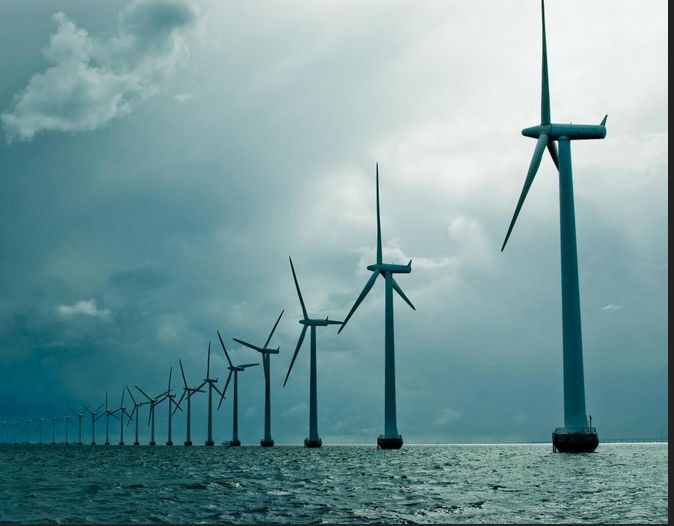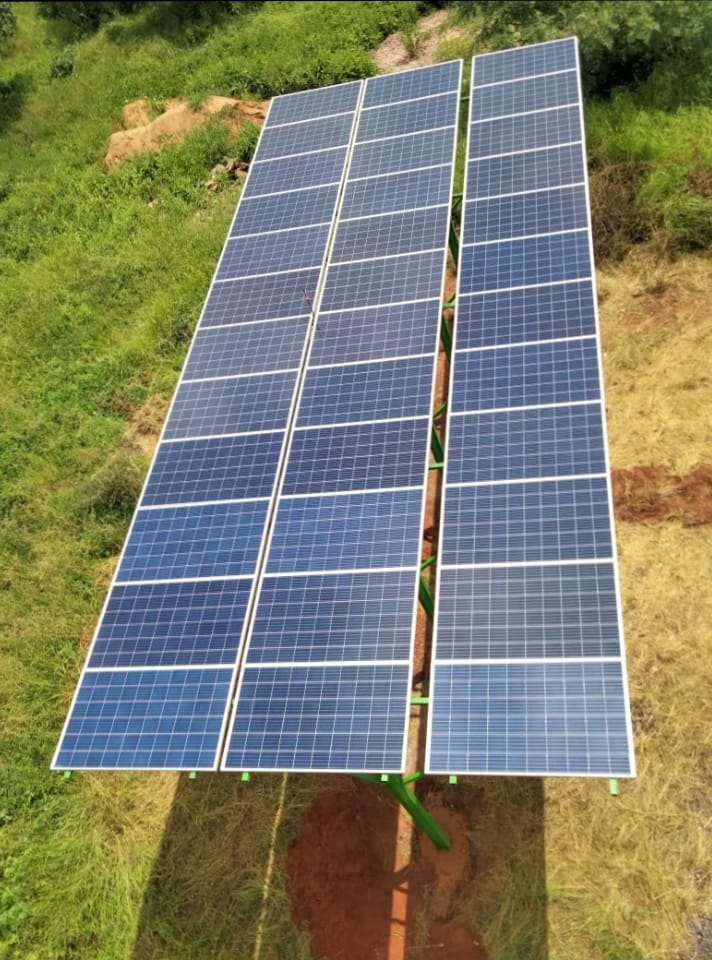
As the world seeks sustainable energy solutions, solar power has emerged as a viable option for many countries, including Kenya. In this blog, we will delve into the cost of solar installation in Kenya, exploring the various factors that contribute to the overall expenses involved in transitioning to solar energy.
Factors Affecting Solar Installation Costs in Kenya
Initial Setup Costs
- Solar panels: The primary component of any solar power system, the cost of solar panels in Kenya can vary based on quality and brand.
- Inverters: Essential for converting solar energy into usable electricity, inverters add to the initial setup costs.
- Batteries: Storage batteries are crucial for ensuring a continuous power supply, especially during periods of low sunlight.
- Mounting structures and wiring: Additional materials such as mounting structures and wiring contribute to the overall installation expenses.
Installation and Labor Costs
- Labour fees: Hiring professionals for the installation process incurs additional costs.
- Permitting and inspection fees: Obtaining permits and undergoing inspections can add to the total installation expenses.
- Maintenance costs: Regular maintenance and upkeep also contribute to the overall cost of solar power systems in Kenya.
Government Incentives and Financing Options
- Subsidies and incentives: The Kenyan government offers various subsidies and incentives to promote the adoption of solar energy.
- Financing options: Loans and financing schemes provided by financial institutions can help mitigate the upfront costs of solar installation.
Benefits of Solar Installation in Kenya
Environmental Impact
- Reduced carbon footprint: Solar energy is a clean and renewable source of power, helping reduce reliance on fossil fuels.
- Environmental conservation: Embracing solar power contributes to the preservation of natural resources and ecosystems.
Economic Advantages
- Energy savings: Solar power can lead to significant savings on electricity bills over time.
- Job creation: The solar industry in Kenya has the potential to create employment opportunities and boost the economy.
Energy Independence
- Reliability: Solar energy provides a reliable source of power, especially in remote or off-grid areas.
- Energy security: Diversifying the energy mix through solar power enhances energy security in Kenya.
Conclusion
The cost of solar installation in Kenya encompasses various factors, from initial setup expenses to ongoing maintenance and government incentives. By understanding these costs and benefits, individuals and businesses can make informed decisions regarding the adoption of solar energy. Embracing solar power not only offers environmental and economic advantages but also contributes to Kenya’s energy independence and sustainability goals. Start your solar journey today and harness the power of the sun for a brighter future.
“Investing in solar energy is not just about saving money; it’s about investing in a sustainable future.” – Unknown