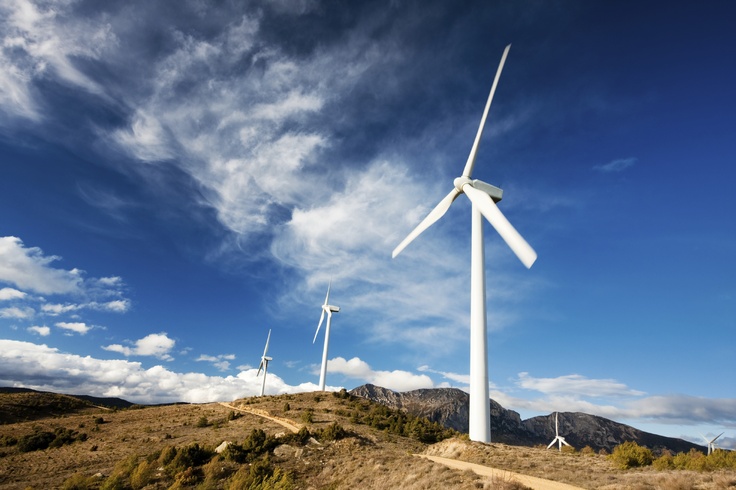
As cities around the world face the pressures of climate change, rapid urbanization, and dwindling natural resources, the construction industry is undergoing a transformation. At the heart of this evolution lies a field that has often operated quietly in the background — geotechnical engineering. Today, it is emerging as a driving force in building the sustainable, resilient, and smart cities of the future.
This article explores how geotechnical engineering is helping shape a more sustainable built environment, from carbon-conscious foundations to climate-adaptive infrastructure.
1. Sustainable Construction Starts Below Ground
“We can’t build green cities on unstable ground — geotechnical design is the true foundation of sustainability.”
— Dr. A. Rahman, Urban Infrastructure Specialist
Sustainability in construction often focuses on materials, energy use, or green architecture. However, the soil and subsurface systems that support every structure are just as critical.
Geotechnical engineers are now using:
- Low-carbon ground improvement techniques
- Recycled materials in backfills and fills
- Efficient design methods that reduce over-conservatism and material waste
Key Insight:
Smart geotechnical design minimizes resource use, lowers carbon footprints, and improves long-term durability.
2. Climate-Resilient Foundations and Infrastructure
As climate patterns shift, urban infrastructure must be able to withstand rising groundwater levels, increased rainfall, droughts, and extreme weather. Geotechnical engineers play a key role in:
- Designing flood-resistant basements and retaining walls
- Building foundations resilient to soil moisture fluctuations
- Creating permeable ground systems to manage stormwater
Case Example:
In the Netherlands, geotechnical experts are pioneering floating foundations and adaptive embankments to address sea-level rise.
Key Insight:
Future-ready cities need geotechnical solutions that anticipate and adapt to environmental change.
3. Urban Densification Without Compromise
As cities grow vertically and horizontally, safe and efficient use of subsurface space becomes essential. Geotechnical engineering enables:
- High-rise buildings with deep foundations in constrained urban areas
- Underground transportation systems with minimal disruption to above-ground life
- Smart tunneling methods using real-time data to reduce risk and delays
Example:
Singapore’s underground master plan relies heavily on advanced soil characterization to safely expand its subterranean infrastructure.
Key Insight:
Geotechnical innovation unlocks the vertical and underground space cities need to grow sustainably.
4. Supporting Green Infrastructure and Nature-Based Solutions
Geotechnical engineers are crucial in integrating green infrastructure, like:
- Green roofs and bio-retention systems
- Living shorelines and eco-stabilized slopes
- Permeable pavements and urban rain gardens
These systems rely on a deep understanding of soil-water-plant interactions and load-bearing capacity.
Key Insight:
Nature-based solutions are only as effective as the soils they depend on — and that’s where geotechnical science comes in.
5. Innovations Driving the Future of Sustainable Geotechnics
Emerging tools and trends include:
- Geosynthetics for soil reinforcement and erosion control
- Energy geostructures that integrate heating and cooling systems into foundations
- AI and remote sensing for site characterization and predictive modeling
- Carbon-sequestering soil additives to trap CO₂ in the ground
These innovations are helping engineers design with less impact and more intelligence.
6. Circular Economy in the Ground
Geotechnical engineers are leading efforts to reuse and recycle soils, reducing reliance on quarried materials. Examples include:
- Soil washing and stabilization
- Using excavated materials from one project in another
- In-situ remediation to clean and repurpose contaminated sites
Key Insight:
Urban sustainability includes the subsurface, and managing soil as a renewable resource is a game-changer.
Conclusion: Building Tomorrow from the Ground Up
As cities seek to become smarter, greener, and more resilient, geotechnical engineering is emerging as a foundational enabler of sustainable development. It’s not just about holding up buildings — it’s about holding up entire ecosystems, communities, and futures.
The future of construction is:
✅ Smarter
✅ Greener
✅ Grounded in geotechnical excellence
Call to Action
Whether you’re an urban planner, engineer, architect, or policymaker:
- Involve geotechnical engineers early in project design
- Invest in sustainable subsurface technologies
- Champion soil and site solutions that support long-term resilience
Because a sustainable city isn’t just one that looks good above ground — it’s one that’s solid, safe, and smart below it, too.