Climate change is reshaping our environment—altering precipitation patterns, accelerating sea-level rise, intensifying storms, and triggering more frequent landslides and floods. While much of the focus in climate adaptation centers on policy and energy systems, geotechnical engineering plays a critical yet often underappreciated role in building resilient infrastructure that can withstand a changing climate.
In this article, we’ll explore how geotechnical engineers contribute to climate adaptation and what professionals and stakeholders need to understand moving forward.
1. Changing Ground Conditions: A New Reality
🔄 Climate Impacts on Geomaterials
- Increased rainfall and flooding lead to elevated groundwater tables and reduced soil strength, contributing to slope failures and foundation instability.
- Droughts and drying trends cause shrink-swell behavior in expansive clays, leading to differential settlement.
- Permafrost thaw in cold regions degrades the mechanical stability of frozen ground, affecting buildings, pipelines, and roads.
Key Insight:
Geotechnical designs must now account for greater variability and long-term changes in soil and groundwater conditions.
2. Coastal Resilience and Sea-Level Rise
🌊 Defending the Shoreline
Geotechnical engineers are central to:
- Designing seawalls, levees, and embankments.
- Stabilizing coastal slopes and erosion-prone areas.
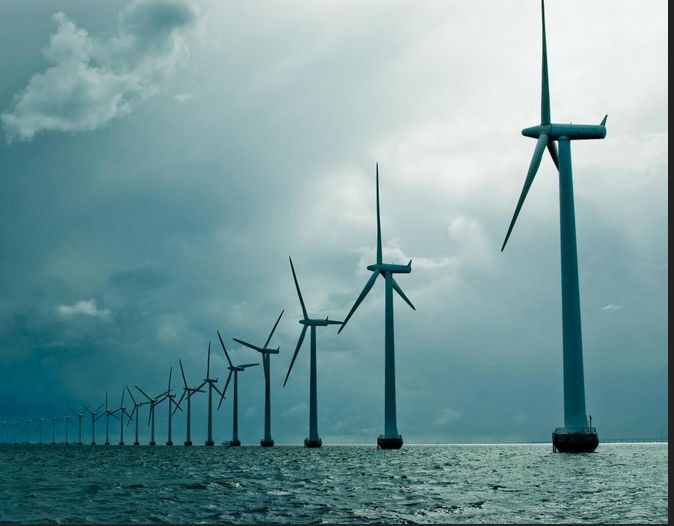
- Building foundations for offshore wind turbines, which play a key role in low-carbon energy strategies.
Key Insight:
Climate-adaptive coastal engineering integrates soil behavior, wave loading, and long-term sea-level trends into design models.
3. Landslides and Slope Stability in a Warmer World
🏞️ More Rain = More Failures
- Climate change is increasing the frequency of intense rain events, saturating soils and triggering landslides, especially in mountainous and tropical regions.
- Traditional slope stability methods may underestimate risk if they don’t factor in climate projections.
Key Insight:
Engineers must reassess slope designs using probabilistic models and real-time monitoring systems to capture climate-driven changes.
4. Urban Infrastructure and Ground Resilience
🏗️ Designing for Futureproof Cities
- Pavements, utilities, and shallow foundations are all affected by soil movement, heat waves, and fluctuating moisture.
- Green infrastructure (e.g., rain gardens, permeable pavements) also requires geotechnical input to ensure subsurface drainage and stability.
Key Insight:
Geotechnical engineers are crucial in making cities more resilient by integrating sustainable ground solutions with structural systems.
5. Ground Improvement for Resilience
🔧 Strengthening Weak Soils Under Stress
Techniques such as:
- Deep soil mixing
- Grouting and reinforcement
- Prefabricated vertical drains (PVDs)
…can enhance the performance of soft or unstable soils under new environmental loads.
Key Insight:
Proactive ground improvement helps mitigate climate-induced failures and enables the safe development of vulnerable sites.
6. Innovations in Monitoring and Modeling
🛰️ Data-Driven Adaptation
- Remote sensing, satellite data, and real-time geotechnical monitoring are increasingly used to track changes in moisture content, ground movement, and subsurface behavior.
- Numerical models are evolving to include climate scenarios, allowing better risk forecasting.
Key Insight:
The fusion of geotechnics and climate science leads to smarter design and quicker response to emerging threats.
Conclusion: Building from the Ground Up
Climate adaptation isn’t just about renewable energy or carbon reduction—it’s about building infrastructure that can endure the climate of tomorrow. Geotechnical engineers are on the front lines, ensuring that soils, foundations, and slopes are ready for the challenge.
What you need to know:
- Climate change alters geotechnical risk.
- Future-ready designs require climate-integrated models.
- Engineering resilience starts from the ground up.
Call to Action
Geotechnical professionals, policymakers, and planners must:
- Collaborate across disciplines
- Invest in data and site-specific studies
- Update codes and practices to reflect evolving risks
The future is uncertain—but with sound ground science, we can build with confidence.