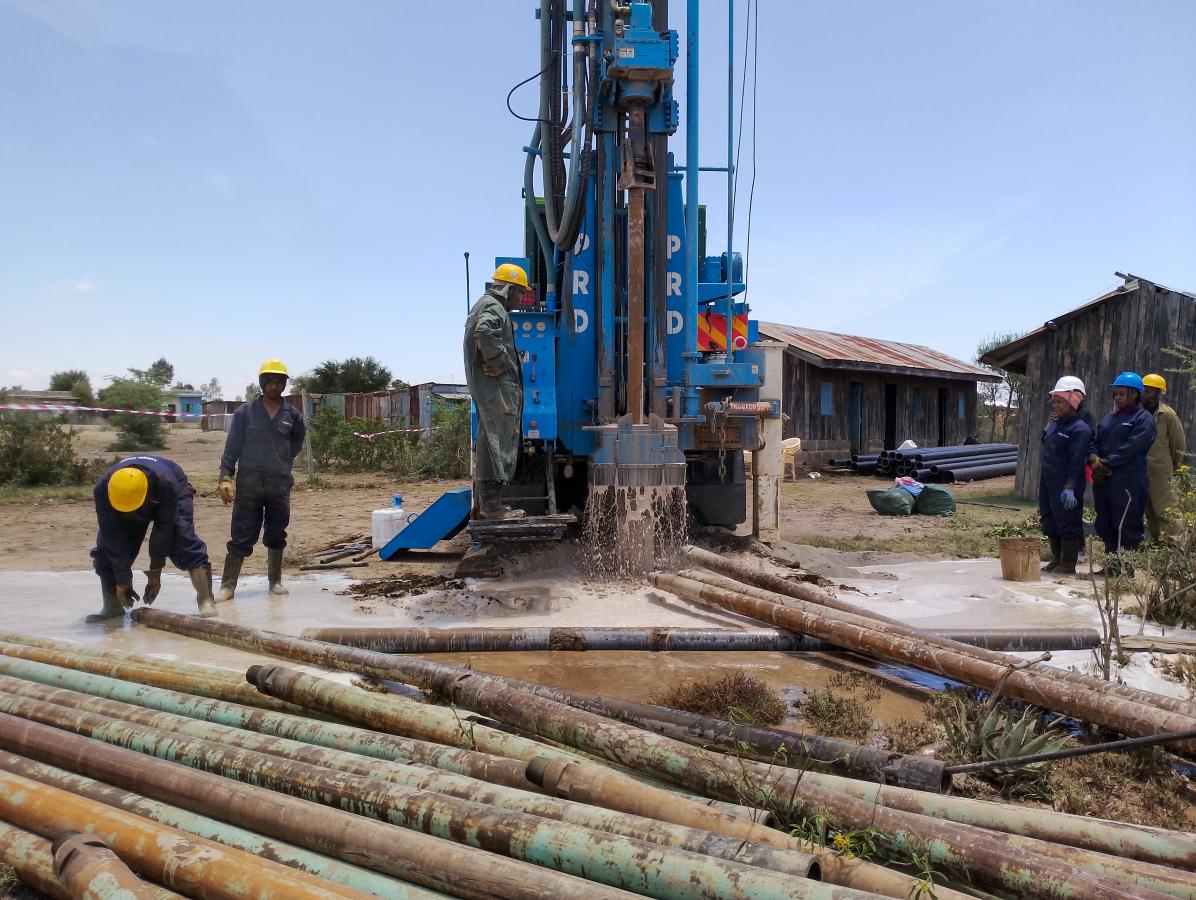
Mining and mineral feasibility studies are essential for determining whether a mining project is technically, economically, and environmentally viable. These studies guide investment decisions, operational planning, and risk management. However, mistakes during the feasibility phase can lead to costly delays, budget overruns, or project failure.
To help mining professionals and investors navigate this critical process successfully, here are the top five mistakes to avoid in mining and mineral feasibility studies.
1. Inadequate or Poor-Quality Data
The foundation of any feasibility study is accurate and comprehensive data. Insufficient geological, environmental, or engineering data can result in flawed resource estimates, unrealistic cost projections, and overlooked risks.
- Avoid: Relying on limited drilling data or outdated surveys.
- Best Practice: Conduct thorough exploration and sampling campaigns with modern techniques, ensuring data integrity and representativeness. Use robust data validation and quality control protocols.
2. Underestimating Environmental and Social Impacts
Failing to properly assess environmental and social factors can jeopardize project approvals and community relations, leading to costly delays or even cancellation.
- Avoid: Treating environmental and social assessments as afterthoughts or box-checking exercises.
- Best Practice: Integrate comprehensive Environmental and Social Impact Assessments (ESIs) early in the feasibility study. Engage with local communities transparently and plan mitigation strategies that align with sustainability standards.
3. Overly Optimistic Financial Assumptions
Overestimating mineral prices, underestimating costs, or assuming ideal operational efficiencies can give an unrealistic picture of project profitability.
- Avoid: Using best-case scenarios exclusively without a sensitivity analysis.
- Best Practice: Perform rigorous economic modeling with conservative assumptions and sensitivity analyses. Consider various market conditions, cost escalations, and operational challenges.
4. Ignoring Regulatory and Permitting Complexities
Mining projects face complex regulatory landscapes. Overlooking permitting timelines, legal requirements, or political risks can cause unforeseen obstacles.
- Avoid: Assuming regulatory approvals will be quick or guaranteed.
- Best Practice: Conduct detailed regulatory due diligence early, including environmental laws, land rights, and community agreements. Factor permitting durations and risks into project schedules and budgets.
5. Insufficient Stakeholder Engagement
Mining projects impact many stakeholders, including local communities, governments, and investors. Failing to build relationships and address concerns can result in conflicts and reputational damage.
- Avoid: Minimal or reactive communication with stakeholders.
- Best Practice: Develop proactive stakeholder engagement plans. Foster continuous dialogue, address feedback, and build partnerships that support project acceptance and long-term sustainability.
Conclusion
Mining and mineral feasibility studies are powerful tools that can make or break a project’s success. Avoiding these common mistakes ensures more reliable assessments, better risk management, and stronger foundations for investment decisions.
By prioritizing quality data, environmental and social responsibility, realistic economics, regulatory compliance, and stakeholder relationships, mining companies can unlock the full potential of their mineral resources and build projects that stand the test of time.