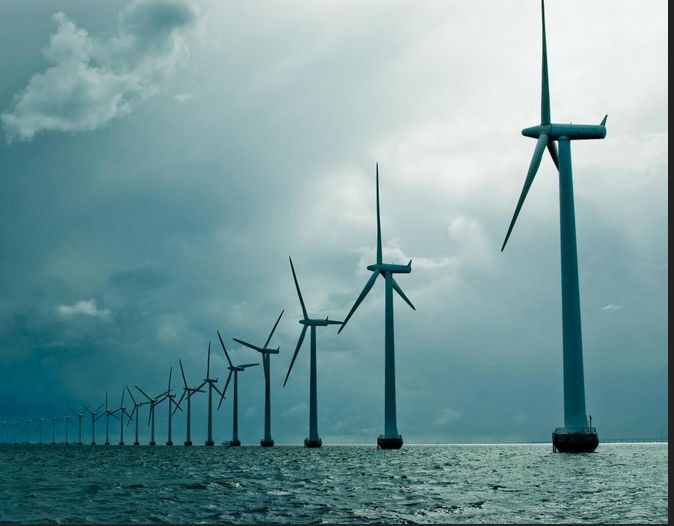
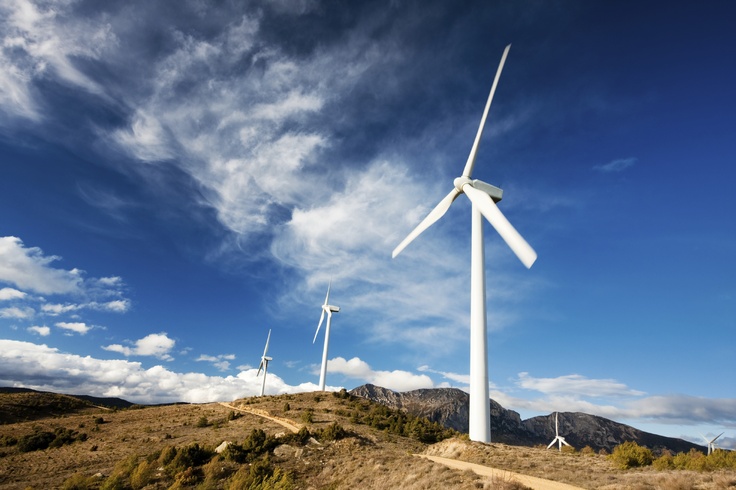
As the world moves toward more sustainable energy solutions, geothermal energy is steadily gaining attention as a clean, renewable, and reliable source of power. While solar and wind energy often dominate the conversation, geothermal energy—heat that comes from the Earth itself—is an underappreciated giant in the clean energy mix. But what exactly is geothermal energy? How does it work, and why is it considered such a promising source of renewable energy?
This guide offers a comprehensive yet accessible introduction to geothermal energy, covering its sources, technologies, benefits, and potential role in a greener future.
Understanding the Basics: What Is Geothermal Energy?
The word “geothermal” comes from the Greek words geo (earth) and therme (heat), which together mean “heat from the Earth.” At its core, geothermal energy taps into the Earth’s internal heat, primarily from the radioactive decay of minerals and the original formation of the planet, which resides deep beneath the surface.
This heat can be found in varying intensities from just below the Earth’s surface to several kilometers underground. In places with volcanic activity, hot springs, geysers, or tectonic plate boundaries, geothermal energy is more easily accessible, making these areas prime locations for geothermal development.
How Geothermal Energy Works
There are three primary ways geothermal energy can be harnessed:
-
Geothermal Power Plants (for electricity): These facilities use underground steam or hot water to spin turbines, which then generate electricity. There are three main types:
-
Dry steam plants: Use steam directly from geothermal reservoirs to turn turbines.
-
Flash steam plants: Take high-pressure hot water, convert it to steam, and use it to generate electricity.
-
Binary cycle plants: Use lower-temperature water to heat a secondary fluid with a lower boiling point, which then vaporizes and drives the turbine.
-
-
Direct Use Applications: Hot geothermal water is piped directly into buildings for heating, agricultural use (like warming greenhouses), or industrial processes. This is one of the oldest uses of geothermal energy and is highly efficient.
-
Geothermal Heat Pumps (GHPs): These systems use the consistent underground temperature just a few meters below the surface to heat or cool buildings. GHPs are increasingly popular in residential and commercial buildings for space heating and cooling.
Where Is Geothermal Energy Found?
Geothermal energy is available almost everywhere, but it is most viable in regions with active tectonic or volcanic activity. The most prominent geothermal regions lie along the “Ring of Fire,” which includes countries like:
-
Iceland – nearly 90% of homes use geothermal for heating.
-
New Zealand – well-developed geothermal fields generate electricity and support industry.
-
United States – the world’s largest producer of geothermal electricity, especially in California and Nevada.
-
Kenya – a leading African nation in geothermal development, particularly in the Rift Valley.
Other countries with geothermal potential include Indonesia, the Philippines, Turkey, and Ethiopia.
Why Geothermal Energy Is Considered Green and Renewable
Geothermal energy checks all the boxes for sustainability:
-
Renewable: The Earth’s heat is essentially inexhaustible on a human timescale. As long as the planet exists, its internal heat will remain available.
-
Low Carbon Emissions: Geothermal plants emit a fraction of the CO₂ produced by fossil fuel plants. Some systems emit near-zero greenhouse gases.
-
Minimal Land Use: Unlike solar or wind farms, geothermal power plants require a relatively small surface footprint.
-
Base Load Energy: Unlike wind and solar, which depend on weather and sunlight, geothermal provides consistent, 24/7 energy production.
Key Advantages of Geothermal Energy
-
Reliability: Unlike intermittent renewables, geothermal provides steady power all year long.
-
Low Operating Costs: After initial drilling and setup, maintenance costs are relatively low.
-
Energy Security: Countries with geothermal resources can reduce dependence on imported fuels.
-
Job Creation: Geothermal development supports jobs in drilling, construction, engineering, and maintenance.
Limitations and Challenges
While geothermal energy offers many benefits, it also faces several challenges:
-
High Initial Costs: Drilling deep wells and installing power plants or heat pumps require significant upfront investment.
-
Location-Specific: Viable geothermal sites are often located far from population centers or in geologically active zones.
-
Environmental Concerns: In some cases, improper drilling or poor management can lead to land subsidence, release of greenhouse gases like hydrogen sulfide, or depletion of local aquifers.
These challenges, however, are increasingly being addressed through technological advancements and better regulatory frameworks.
Geothermal in the Global Energy Transition
As countries seek to decarbonize their energy systems and meet climate goals, geothermal energy is gaining traction. In 2024, geothermal capacity worldwide surpassed 16 GW, and many governments have committed to scaling up its use. The International Renewable Energy Agency (IRENA) sees geothermal as a critical component in achieving a clean and diversified global energy mix.
In Africa, nations like Kenya are demonstrating how geothermal energy can power economic growth while reducing carbon emissions. With massive untapped potential in the East African Rift System, the continent could emerge as a leader in sustainable geothermal development.
Conclusion: Geothermal Energy’s Role in a Sustainable Future
Geothermal energy may not be as visible as solar panels or wind turbines, but its potential is vast, reliable, and deeply rooted—literally—in the Earth. As more people become aware of its benefits and technology continues to evolve, geothermal energy could play a major role in the global shift toward clean energy.
Whether it’s heating homes in Iceland, generating electricity in Kenya, or cooling office buildings in the U.S., geothermal energy proves that the future of power might just come from beneath our feet.