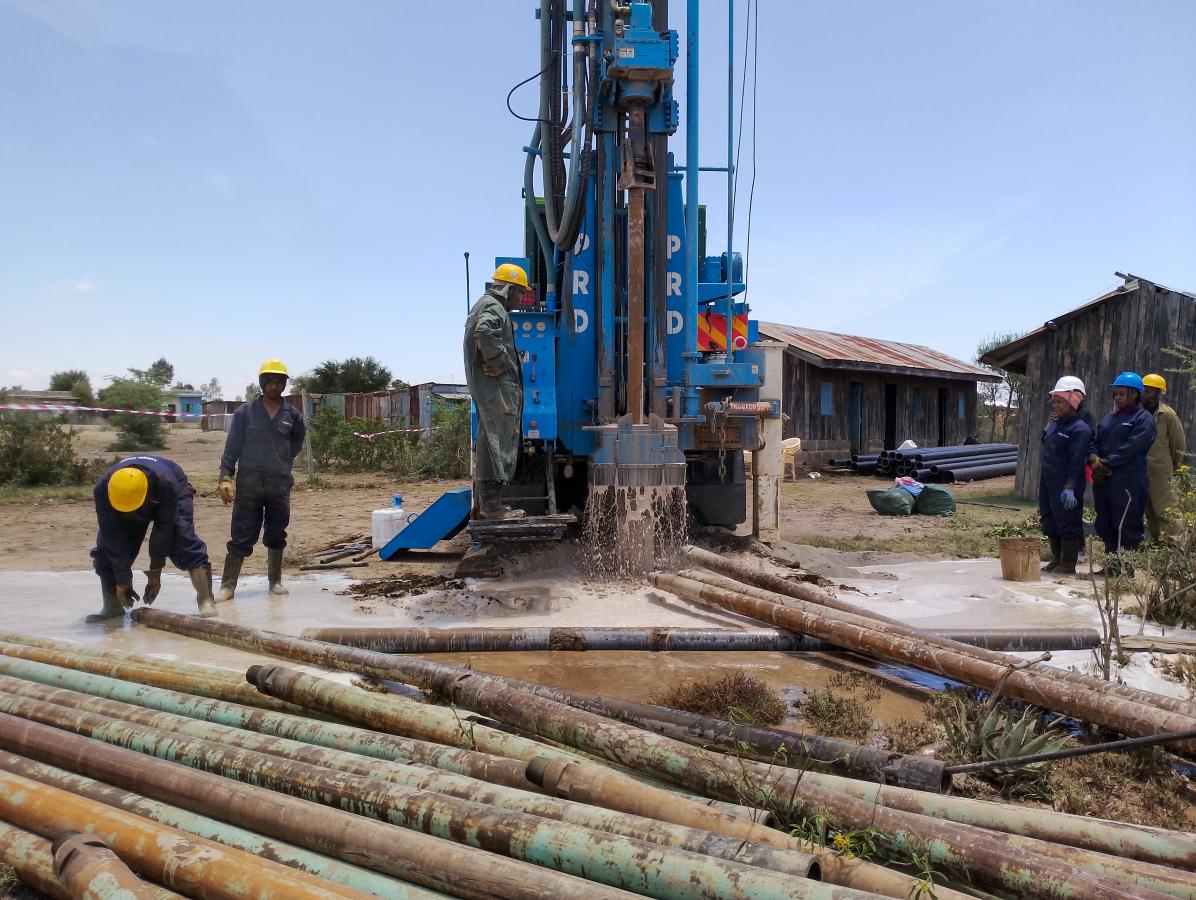
Best practice ethics in drilling, particularly in hydrogeological surveys and resource extraction, are crucial to ensure the safety, sustainability, and social responsibility of drilling activities. Here are the key ethical considerations and best practices:
- Environmental Responsibility
- Environmental Impact Assessment (EIA):
- Conduct thorough EIAs before initiating drilling projects to understand potential impacts on ecosystems, water resources, and local communities.
- Minimizing Environmental Footprint:
- Use advanced drilling technologies and methods that minimize land disturbance, soil erosion, and habitat destruction.
- Implement strategies to manage and mitigate drilling waste, including proper disposal and recycling where possible.
- Protecting Water Resources:
- Ensure that drilling activities do not contaminate groundwater or surface water sources.
- Use proper casing and sealing techniques to prevent cross-contamination between aquifers.
- Health and Safety
- Worker Safety:
- Provide comprehensive safety training for all workers involved in drilling operations.
- Implement and enforce strict safety protocols to prevent accidents and injuries on-site.
- Community Health:
- Assess and mitigate potential health impacts on local communities, including noise, dust, and chemical exposure.
- Emergency Preparedness:
- Develop and maintain emergency response plans to address potential accidents, spills, or other incidents.
- Social Responsibility
- Community Engagement:
- Engage with local communities and stakeholders before, during, and after drilling projects.
- Respect the rights, cultures, and traditions of indigenous peoples and local communities.
- Transparency and Communication:
- Maintain open and transparent communication with stakeholders about project objectives, processes, and potential impacts.
- Provide regular updates and opportunities for community input and feedback.
- Benefit Sharing:
- Ensure that local communities benefit from drilling projects through job creation, infrastructure development, or other community support initiatives.
- Regulatory Compliance
- Legal and Regulatory Adherence:
- Comply with all local, national, and international regulations and standards related to drilling and resource extraction.
- Obtain all necessary permits and approvals before commencing drilling operations.
- Reporting and Documentation:
- Maintain accurate and detailed records of drilling activities, environmental monitoring, and safety incidents.
- Report any violations or incidents promptly to the relevant authorities.
- Sustainability
- Sustainable Resource Management:
- Adopt practices that ensure the sustainable extraction and use of groundwater or other resources.
- Avoid over-extraction and implement measures to recharge and replenish aquifers where possible.
- Long-term Planning:
- Consider the long-term impacts of drilling projects on local ecosystems, water resources, and communities.
- Plan for post-drilling land restoration and reclamation to restore the environment to its natural state.
- Ethical Conduct and Integrity
- Professional Conduct:
- Uphold the highest standards of professionalism and integrity in all drilling activities.
- Ensure that all actions and decisions are guided by ethical considerations and best practices.
- Conflict of Interest:
- Avoid conflicts of interest and disclose any potential conflicts to relevant parties.
- Make decisions based on the best interests of the environment, communities, and overall project goals.
- Continuous Improvement:
- Stay informed about advancements in drilling technology, environmental science, and best practices.
- Continually improve drilling practices based on new knowledge, technologies, and stakeholder feedback.
Conclusion
Adhering to best practice ethics in drilling is essential to balance the needs of resource extraction with the protection of the environment, safety of workers, and well-being of local communities. By following these ethical guidelines, drilling projects can achieve sustainable and socially responsible outcomes.