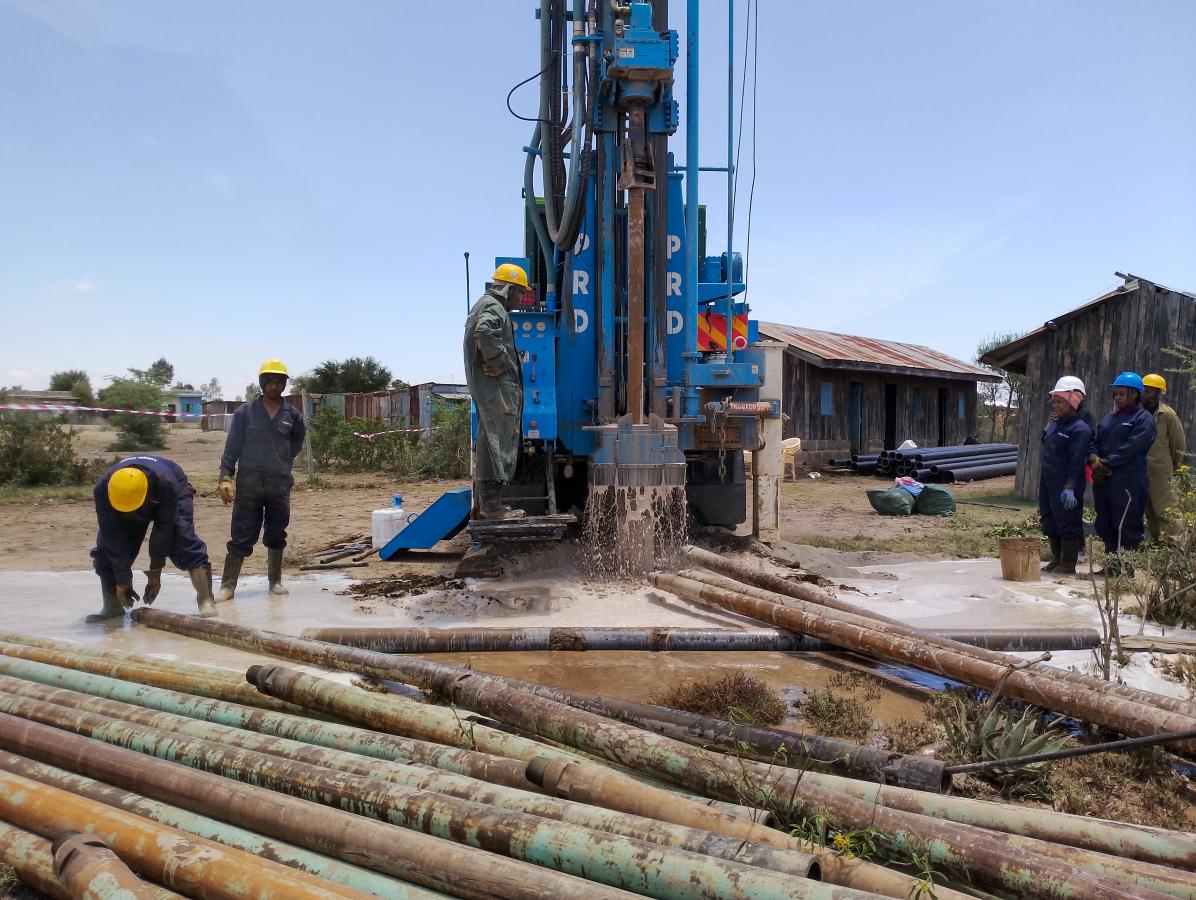
Borehole rehabilitation is a process to restore or enhance the functionality and performance of existing boreholes that have deteriorated due to factors like clogging, corrosion, or structural damage. Proper rehabilitation can extend the lifespan of a borehole and improve water yield and quality. Here are the key steps and best practices for borehole rehabilitation:
- Assessment and Diagnosis
- Preliminary Assessment:
- Conduct a thorough evaluation of the borehole’s current condition, including water yield, water quality, and physical integrity.
- Review historical data and records of the borehole, including previous maintenance and operational issues.
- Site Inspection:
- Perform a visual inspection of the borehole site for signs of surface contamination, structural damage, and wellhead integrity.
- Use borehole cameras and other diagnostic tools to inspect the internal condition of the borehole casing, screens, and any obstructions or biofouling.
- Water Testing:
- Test water samples for chemical, physical, and biological parameters to identify contamination or changes in water quality.
- Identification of Issues
- Common Problems:
- Clogging: Caused by sediment buildup, biofouling, or mineral scaling.
- Corrosion: Deterioration of metal casings and screens due to chemical reactions with water.
- Structural Damage: Cracks, fractures, or collapse of the borehole casing.
- Sand Ingress: Entry of fine particles into the borehole, reducing water quality and yield.
- Diagnostic Methods:
- Video Inspection: Identify blockages, damage, or biofouling.
- Pump Tests: Assess changes in yield and drawdown to diagnose clogging or aquifer problems.
- Geophysical Logging: Use tools like caliper logs, fluid conductivity logs, and temperature logs to assess borehole condition.
- Rehabilitation Techniques
- Cleaning:
- Mechanical Cleaning: Use brushes, scrapers, or high-pressure jetting to remove physical obstructions and biofouling.
- Chemical Cleaning: Apply acid or other chemical treatments to dissolve mineral scales and biofilms. Use care to select appropriate chemicals that will not harm the aquifer or water quality.
- Air-Lift Pumping: Use compressed air to agitate and lift sediments and debris from the borehole.
- Repairs and Upgrades:
- Casing Repair: Repair or replace damaged sections of the borehole casing. Use patching or relining techniques if full replacement is not feasible.
- Screen Replacement: Replace damaged or clogged well screens to restore water flow and quality.
- Grouting and Sealing: Use grouting to seal leaks and stabilize the borehole structure, preventing surface contamination and water loss.
- Rehabilitation of the Aquifer:
- Development Techniques: Techniques such as surging, airlifting, or backwashing can be used to develop the aquifer and improve water yield.
- Chemical Treatment: Use safe chemicals to treat and rehabilitate the aquifer zone around the borehole, removing clogging agents and improving permeability.
- Post-Rehabilitation Assessment
- Performance Testing:
- Conduct pump tests to evaluate the improved yield, drawdown, and overall performance of the rehabilitated borehole.
- Compare results with baseline data to assess the effectiveness of rehabilitation efforts.
- Water Quality Testing:
- Perform comprehensive water quality tests to ensure the rehabilitated borehole provides safe and clean water.
- Monitor for any residual chemicals used during the cleaning process.
- Maintenance and Monitoring
- Regular Inspections:
- Schedule periodic inspections to monitor the condition of the borehole, casing, screens, and water quality.
- Use borehole cameras and diagnostic tools for detailed assessments.
- Preventive Maintenance:
- Implement a preventive maintenance program to address minor issues before they become major problems.
- Regularly clean and disinfect the borehole to prevent biofouling and clogging.
- Documentation:
- Maintain detailed records of all rehabilitation activities, inspections, maintenance, and performance tests.
- Use this data to inform future maintenance and rehabilitation efforts.
Conclusion
Borehole rehabilitation is a critical process for ensuring the longevity and efficiency of groundwater extraction systems. By following a systematic approach to assess, diagnose, rehabilitate, and maintain boreholes, water managers can ensure a reliable supply of clean water and prevent costly repairs or replacements. Adopting best practices in borehole rehabilitation not only restores functionality but also protects the investment in groundwater resources.