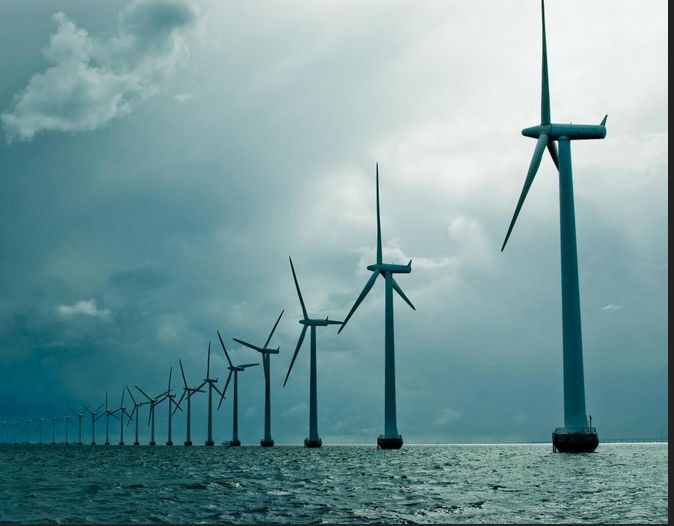
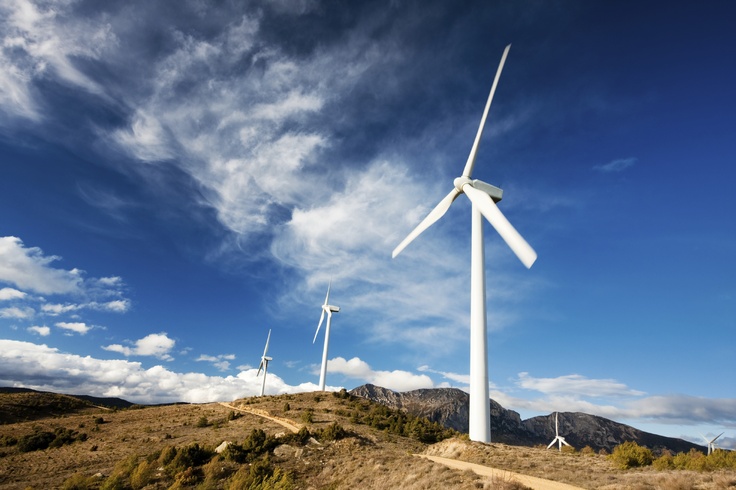
As the world intensifies efforts to combat climate change and reduce reliance on fossil fuels, wind power stands out as one of the cleanest and most sustainable energy sources available. Unlike coal, oil, and gas, wind energy generates electricity without emitting greenhouse gases, polluting water bodies, or depleting finite natural resources. Its environmental benefits make it a central pillar in the global transition to a greener and more resilient energy future. This article delves into the environmental advantages of wind power and why it plays a crucial role in sustainable development.
1. Zero Greenhouse Gas Emissions During Operation
The most notable environmental benefit of wind power is its lack of carbon emissions during electricity generation. Wind turbines harness the kinetic energy of moving air to generate electricity without burning fossil fuels.
-
A typical 2 MW wind turbine can offset approximately 4,000 metric tons of CO₂ annually.
-
Large wind farms, such as Kenya’s Lake Turkana Wind Power Project, displace hundreds of thousands of tons of CO₂ each year.
By replacing coal and diesel power plants, wind energy significantly contributes to reducing the global carbon footprint and slowing the pace of global warming.
2. Minimal Air and Water Pollution
Unlike thermal power plants, wind turbines do not emit air pollutants like sulfur dioxide (SO₂), nitrogen oxides (NOx), or particulate matter, all of which are harmful to human health and the environment.
-
These pollutants are associated with respiratory illnesses, acid rain, and smog formation.
-
Wind power also avoids mercury contamination, a major issue with coal-fired power plants.
Furthermore, wind turbines do not require water for cooling, unlike fossil fuel or nuclear power plants. This:
-
Preserves freshwater resources, especially critical in arid regions.
-
Reduces thermal pollution in rivers and lakes, which can harm aquatic ecosystems.
3. Lowland and Habitat Disruption
While wind farms require space, the actual physical footprint of the turbines is relatively small. The land between turbines can still be used for:
-
Agriculture (farming, grazing)
-
Conservation efforts
-
Wildlife migration corridors
This allows for dual land use, minimizing the environmental impact compared to open-pit mining or large dam construction.
With proper planning and site selection, wind energy projects can be developed with minimal disruption to local ecosystems. In fact, many wind farms coexist peacefully with wildlife and local communities.
4. Conservation of Natural Resources
Wind energy:
-
Does not require mining or drilling for fuel.
-
Does not consume or contaminate water.
-
Does not produce hazardous waste such as coal ash or radioactive materials.
By using the endless supply of natural wind, it conserves critical resources for future generations while avoiding the environmental degradation associated with fossil fuel extraction.
5. Contribution to Climate Change Mitigation
Wind power is essential for meeting global climate targets, such as those outlined in:
-
The Paris Agreement
-
Nationally Determined Contributions (NDCs)
-
Kenya’s own National Climate Change Action Plan (NCCAP)
Because wind energy drastically reduces greenhouse gas emissions, it plays a pivotal role in:
-
Limiting global warming to below 2°C
-
Reducing the frequency of extreme weather events
-
Protecting biodiversity and food security
6. Supports Sustainable Urbanization and Rural Development
Wind energy projects contribute to sustainable land use planning. Urban areas can benefit from distributed wind systems, while rural and arid regions can host utility-scale wind farms, generating income and employment.
This spatial flexibility makes wind power a valuable tool in:
-
Sustainable urban development
-
Reducing rural energy poverty
-
Promoting inclusive and equitable growth
7. Lifecycle Sustainability
Although the production of wind turbines involves some emissions and material use, the lifecycle impact of wind power is minimal compared to fossil fuels.
-
A wind turbine typically “pays back” the energy used to build it within 3 to 6 months of operation.
-
The average lifespan of a turbine is 20–25 years, during which it generates clean electricity with negligible emissions.
At the end of their life, turbine components such as steel towers and copper wiring can be recycled, and blade recycling technologies are rapidly advancing.
8. Reduced Dependency on Fossil Fuels and Imports
By investing in wind energy, countries reduce their reliance on:
-
Imported oil and gas
-
Expensive and environmentally destructive fossil fuel-based generation
This not only improves energy independence but also reduces the environmental risks associated with oil spills, gas flaring, and coal mining.
In Kenya’s case, wind energy helps reduce dependence on diesel generators, especially in off-grid and arid regions, where diesel is costly and polluting.
9. Enhances Biodiversity Protection (with Proper Planning)
While concerns have been raised about wind turbines affecting bird and bat populations, modern environmental planning practices have significantly reduced these risks. This includes:
-
Comprehensive environmental impact assessments (EIAs)
-
Use of radar and acoustic deterrent technologies
-
Strategic siting of turbines away from migratory paths and nesting zones
Properly planned wind farms have a lower impact on biodiversity compared to mining, drilling, and large-scale dams, making them a better choice for environmental conservation.
10. Public Support and Awareness
Because of its clear environmental advantages, wind energy enjoys high levels of public support globally. Public education and engagement can be further boosted:
-
Community ownership models
-
Local participation in planning and monitoring
-
Sustainable development outcomes
When people see tangible environmental and economic benefits, wind projects become symbols of climate action and national progress.
Addressing Environmental Concerns Proactively
Though wind energy has numerous environmental benefits, it’s essential to address potential concerns, including:
-
Noise pollution: Modern turbines are much quieter and rarely cause disruption.
-
Visual impact: Can be minimized through smart design and community engagement.
-
Bird and bat safety: Improved siting and technology can mitigate risks.
-
End-of-life management: Circular economy approaches for turbine recycling are advancing.
With innovation and responsible planning, these issues can be minimized, ensuring that wind energy remains one of the most environmentally friendly sources of power.
Conclusion
Wind power is undeniably one of the most sustainable and environmentally responsible energy solutions available today. From reducing greenhouse gas emissions and air pollution to conserving water and preserving natural habitats, the benefits are broad, impactful, and long-lasting. As Kenya and other countries strive to meet their climate goals, investing in wind energy is not only wise but essential for a cleaner, healthier, and more resilient future. By embracing wind power, we protect the environment for future generations while fostering economic growth and energy independence.