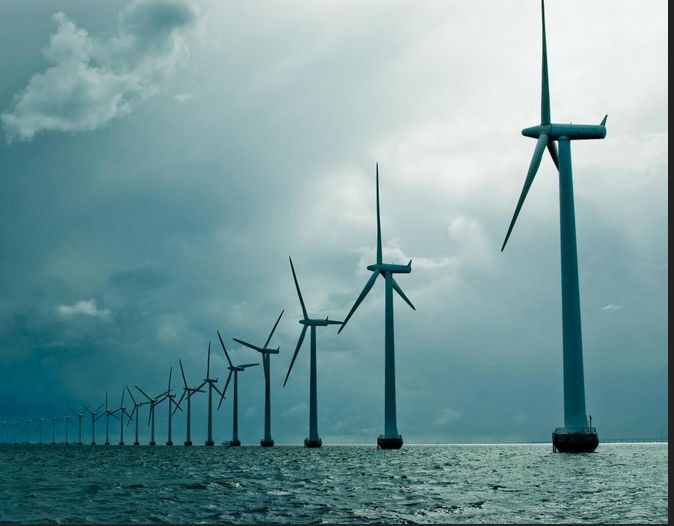
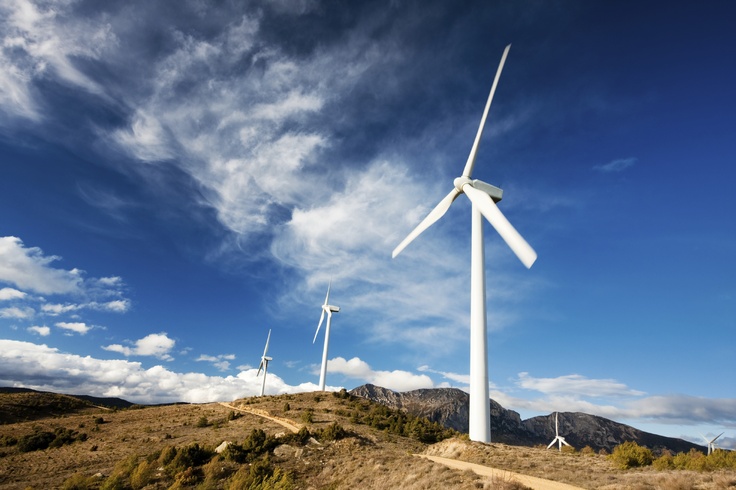
As the global energy sector transforms in response to climate change, rising energy demands, and environmental degradation, a pressing debate continues: should we invest in wind farms or continue relying on fossil fuels? While fossil fuels like coal, oil, and natural gas have historically powered industrialization and economic development, they come with a heavy environmental cost. Wind farms, on the other hand, offer a cleaner, more sustainable solution. This article provides a detailed comparison between wind energy and fossil fuels, focusing on both environmental and economic aspects to help understand why wind power is increasingly being adopted worldwide.
1. Environmental Impact
Carbon Emissions
-
Fossil Fuels: Emit high levels of carbon dioxide (CO₂) and methane (CH₄), major greenhouse gases that contribute to global warming. A coal plant emits roughly 1,000 grams of CO₂ per kilowatt-hour (kWh) of electricity generated.
-
Wind Farms: Emit zero greenhouse gases during operation. Over its lifecycle, a wind turbine emits only 3–14 grams of CO₂ per kWh, mostly from manufacturing and installation.
Winner: Wind Farms — drastically lower emissions.
Air and Water Pollution
-
Fossil Fuels: Release harmful pollutants like sulfur dioxide (SO₂), nitrogen oxides (NOx), mercury, and particulate matter. These contribute to acid rain, smog, respiratory illness, and water contamination.
-
Wind Farms: Do not emit pollutants or consume water for cooling, preserving air and water quality.
Winner: Wind Farms — minimal pollution and water use.
Land and Habitat Disruption
-
Fossil Fuels: Mining and drilling destroy ecosystems, displace communities, and degrade land. Oil spills and gas flaring further impact wildlife and marine life.
-
Wind Farms: Require space but have a small physical footprint, allowing coexistence with agriculture or grazing. Properly planned, they have lower ecological disruption.
Winner: Wind Farms — more eco-friendly land use.
2. Resource Availability and Sustainability
-
Fossil Fuels: Non-renewable. Once depleted, they cannot be replaced. Extraction becomes costlier and riskier over time.
-
Wind Energy: Renewable and inexhaustible. Wind is naturally replenished and free to harness.
Winner: Wind Energy — long-term sustainability.
3. Cost and Economics
Installation and Capital Costs
-
Fossil Fuels: Traditionally lower capital costs, but increasingly expensive due to carbon taxes, stricter regulations, and depleting reserves.
-
Wind Farms: Higher upfront costs, but costs have fallen significantly. According to IRENA, the levelized cost of electricity (LCOE) from wind has dropped by more than 40% in the past decade.
Winner: Wind Energy — decreasing cost trend.
Operating Costs
-
Fossil Fuels: Ongoing costs for fuel procurement, labor, and pollution control. Vulnerable to price volatility in global oil and gas markets.
-
Wind Farms: Low operating costs. Wind is free, and maintenance is relatively straightforward after installation.
Winner: Wind Farms — lower long-term operating costs.
Subsidies and Government Support
-
Fossil Fuels: Still heavily subsidized globally, despite known environmental harm.
-
Wind Energy: Increasingly supported through feed-in tariffs, tax incentives, and green financing, reflecting global climate goals.
Winner: Wind Energy — aligns with policy trends.
4. Job Creation and Economic Development
-
Fossil Fuels: Provide jobs, but often in dangerous or environmentally harmful conditions (e.g., coal mining).
-
Wind Energy: Creates green jobs in manufacturing, installation, operation, and maintenance. Also promotes skills development and technology transfer, particularly in emerging markets like Kenya.
Winner: Wind Energy — safer, forward-looking employment opportunities.
5. Grid Stability and Energy Storage
-
Fossil Fuels: Provide consistent baseload power, making grid management easier.
-
Wind Farms: Variable output depending on wind conditions, requiring complementary storage systems or hybrid energy models to maintain stability.
Winner: Fossil Fuels — currently more stable, but wind is improving with battery storage, grid upgrades, and smart grids.
6. Health Impacts
-
Fossil Fuels: Linked to air pollution-related diseases, including asthma, heart disease, and cancer. WHO estimates that millions of premature deaths annually are due to fossil fuel pollution.
-
Wind Farms: No harmful emissions. Properly installed turbines have negligible health effects.
Winner: Wind Energy — cleaner for public health.
7. Long-Term Risk and Climate Resilience
-
Fossil Fuels: Drive climate change, extreme weather, and environmental disasters (e.g., oil spills, mining accidents).
-
Wind Energy: Supports climate adaptation and resilience-building, reducing reliance on vulnerable global fuel supply chains.
Winner: Wind Energy — safer and more future-proof.
Case Study: Kenya’s Lake Turkana Wind Project
-
Africa’s largest wind farm with 310 MW capacity.
-
Avoids over 700,000 tons of CO₂ emissions annually.
-
Supplies about 17% of Kenya’s electricity.
-
Has attracted global investment and inspired further renewable energy development.
This project demonstrates how wind farms can transform national energy landscapes, especially in developing countries with abundant wind resources.
Challenges Facing Wind Energy
Despite its advantages, wind energy still faces several barriers:
-
High initial capital requirements
-
Intermittent generation
-
Community opposition due to visual impact or noise
-
Environmental concerns over bird migration and land use
However, these challenges are being addressed through:
-
Improved turbine technology
-
Hybrid energy systems (wind-solar-battery)
-
Community engagement and benefit-sharing
-
Environmental safeguards and better site selection
Conclusion
In a head-to-head comparison, wind farms clearly outperform fossil fuels in terms of environmental impact, sustainability, and long-term economic benefits. While fossil fuels offer consistent energy output, their long-term cost to the environment, human health, and climate far outweighs their advantages. As technology improves and investment grows, wind energy is becoming not just an ethical or environmental choice, but also an economic and strategic one. For countries like Kenya, embracing wind power offers a pathway to cleaner growth, energy independence, and climate resilience.