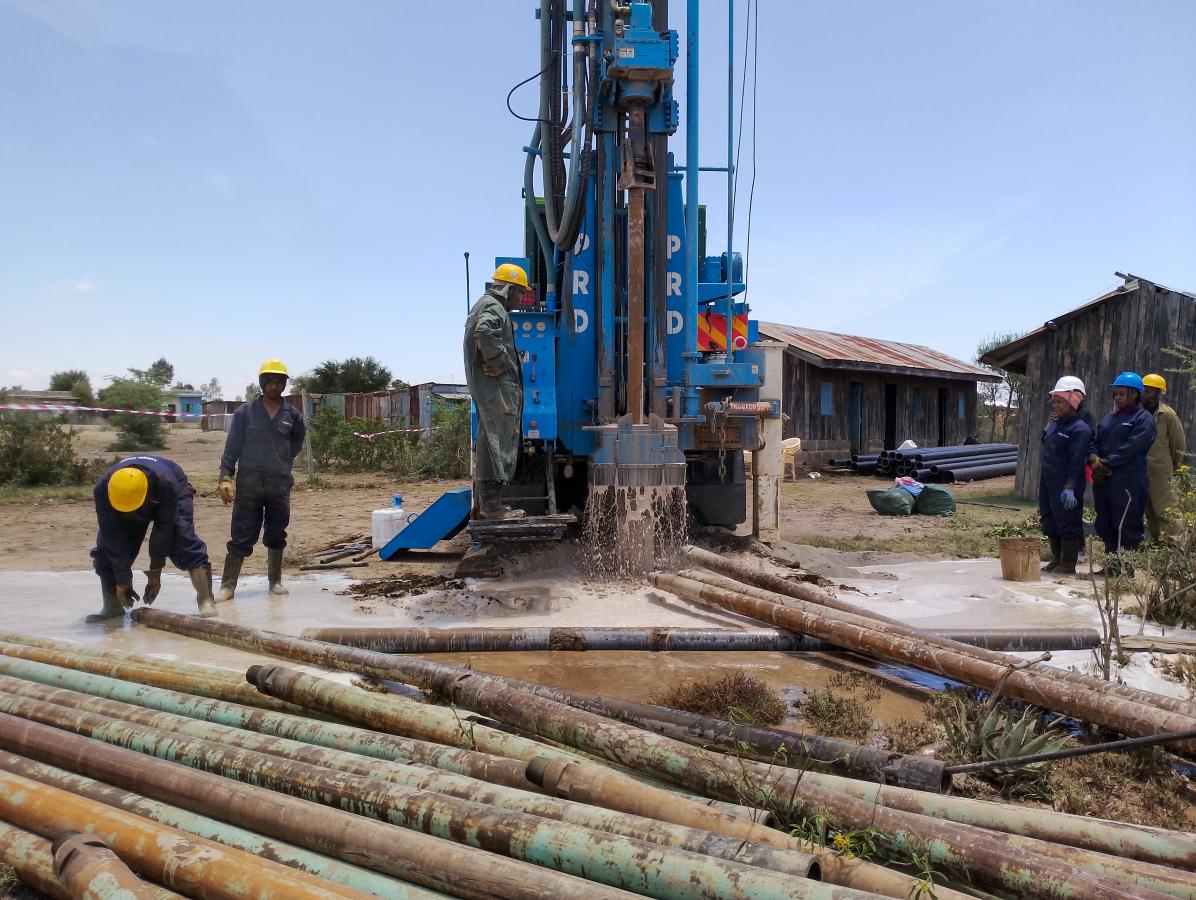
When it comes to water resource management and exploration, boreholes play a crucial role in providing access to clean and sustainable water sources. In Kenya, a country rich in diverse geological formations, the drilling of boreholes in igneous or volcanic terrains presents unique challenges and opportunities. In article, we will delve into the status of bore drilled in these terrains, highlighting the implications, advancements, and potential solutions.
The Geological Landscape of Kenya
Igneous and Volcanic Terrains
- Kenya’s geology is characterized by a wide range of igneous and volcanic formations, including basaltic lava flows, volcanic cones, and granitic intrusions.
- These terrains often pose challenges for borehole drilling due to the hardness of the rocks, presence of fractures, and potential for volcanic activity.
Challenges Faced in Drilling Boreholes
Rock Hardness and Composition
- Igneous rocks such as granite and basalt are known for their high density and hardness, requiring specialized drilling equipment and techniques.
- The abrasive nature of these rocks can also result in faster wear and tear of drilling tools, leading to increased operational costs.
Fractures and Faults
- Igneous and volcanic terrains are prone to fracturing and faulting, which can impact the stability and productivity of boreholes.
- Addressing these geological features requires careful planning and site characterization to minimize risks during drilling operations.
Advancements in Borehole Technology
Hydraulic Fracturing
- Hydraulic fracturing techniques have been increasingly utilized in igneous and volcanic terrains to increase the permeability of rocks and enhance water flow rates.
- By creating artificial fractures in the rock formations, hydraulic fracturing can improve the productivity and longevity of boreholes in challenging terrains.
Geophysical Surveys
- Advances in geophysical survey methods, such as seismic reflection and resistivity imaging, have enabled geologists to better understand the subsurface geology before drilling.
- By mapping out the depth and distribution of rock formations, these surveys help in selecting optimal drilling locations for boreholes.
Sustainable Water Resource Management
Community Engagement
- Involving local communities in the planning and development of boreholes is essential for sustainable water resource management.
- Community participation ensures that the needs and concerns of the population are taken into account, promoting long-term water access and conservation.
Monitoring and Maintenance
- Regular monitoring and maintenance of boreholes are critical to ensure their continued functionality and sustainability.
- Implementing data-driven approaches and real-time monitoring systems can help in detecting potential issues early and preventing costly breakdowns.
Conclusion
The status of boreholes drilled in igneous or volcanic terrains in Kenya reflects a dynamic landscape of challenges and innovations. By leveraging advancements in technology, engaging communities, and adopting sustainable practices, the management of water resources in these terrains can be optimized for long-term benefit. As Kenya continues to evolve in its approach to water exploration and management, the importance of effective borehole drilling in igneous and volcanic terrains cannot be overstated.
“Ensuring sustainable water access in igneous and volcanic terrains requires a multidisciplinary approach that integrates geology, technology, and community engagement.”