Imagine turning on a tap in the arid landscapes of Turkana or the bustling streets of Nairobi and having access to clean, fresh water. For Kenyans, this isn’t just a convenience; it’s a necessity for survival and development. Drilling a borehole can be a viable solution to water scarcity, but what does it really cost to bring this project to life in Kenya? This article dives deep into the financial, environmental, and social implications of borehole drilling across various regions of Kenya.
Understanding Borehole Drilling
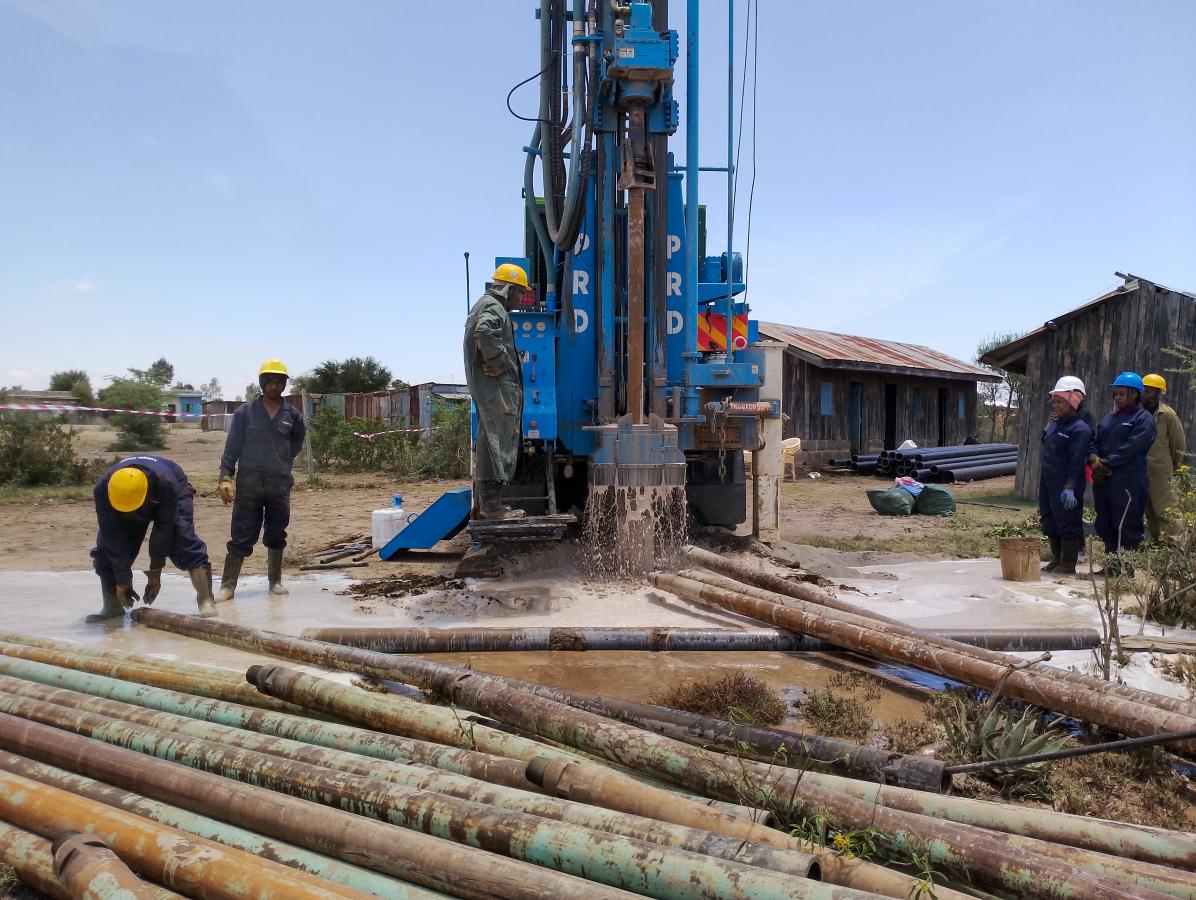
Borehole drilling involves accessing underground water reservoirs, which can significantly alleviate water scarcity issues. However, the process is intricate and influenced by various factors.
Factors Influencing Borehole Drilling Costs
- Geographical location: The accessibility and remoteness of a site can affect transportation costs of machinery and materials.
- Depth of the borehole: Deeper boreholes require more drilling time and resources, increasing the overall cost.
- Type of drilling equipment and techniques: Advanced equipment and techniques might expedite the process but at a higher cost.
- Geological conditions: Rocky or sandy terrains can complicate drilling efforts, potentially escalating costs.
Breakdown of Costs
The cost of drilling a borehole in Kenya varies widely, typically ranging from KES 1.2 million to KES 3 million. Here’s a detailed breakdown:
Initial Survey and Licensing
Before drilling, a hydrogeological survey is essential to determine water availability. This survey, coupled with necessary government licenses, can cost between KES 80,000 and KES 200,000.
Drilling and Construction
The core phase involves the actual drilling, casing, and development of the borehole. Costs here depend heavily on depth and terrain but generally fall within the KES 1 million to KES 2.5 million range.
Pump Installation and Electrification
Installing a pump and setting up electrical connections to power the pump are crucial. This stage might require an additional KES 300,000 to KES 500,000.
Water Quality Testing
Ensuring the water is safe for consumption is paramount. Testing can cost around KES 10,000 to KES 30,000.
Regional Cost Variations
The cost of drilling a borehole in urban areas like Nairobi might be lower compared to remote regions due to easier access to resources and services. Conversely, arid regions like Turkana face higher costs due to logistical challenges and deeper drilling requirements.
Environmental and Social Impact
Drilling a borehole isn’t just about tapping into water resources; it’s also about ensuring sustainable usage and considering environmental impacts.
Sustainable Water Resource Management
Proper management ensures that boreholes do not deplete groundwater levels excessively, preserving the ecosystem.
Community Involvement
Involving local communities in the planning and maintenance of boreholes fosters a sense of ownership and responsibility, crucial for the project’s long-term success.
Conclusion
Drilling a borehole in Kenya is a significant investment with costs influenced by location, depth, and geological conditions. While the initial expenses can be high, the long-term benefits of reliable water access can profoundly impact community health and economic stability. Prospective borehole projects should consider not only the financial outlay but also the environmental sustainability and community engagement to truly make the venture successful.
“Access to clean water is a stepping stone to development in many rural and urban areas of Kenya, making borehole projects not just a necessity but a catalyst for change.”
By understanding the detailed costs and impacts associated with borehole drilling, stakeholders can better prepare and execute these essential projects, ensuring that every Kenyan has access to safe, clean water.