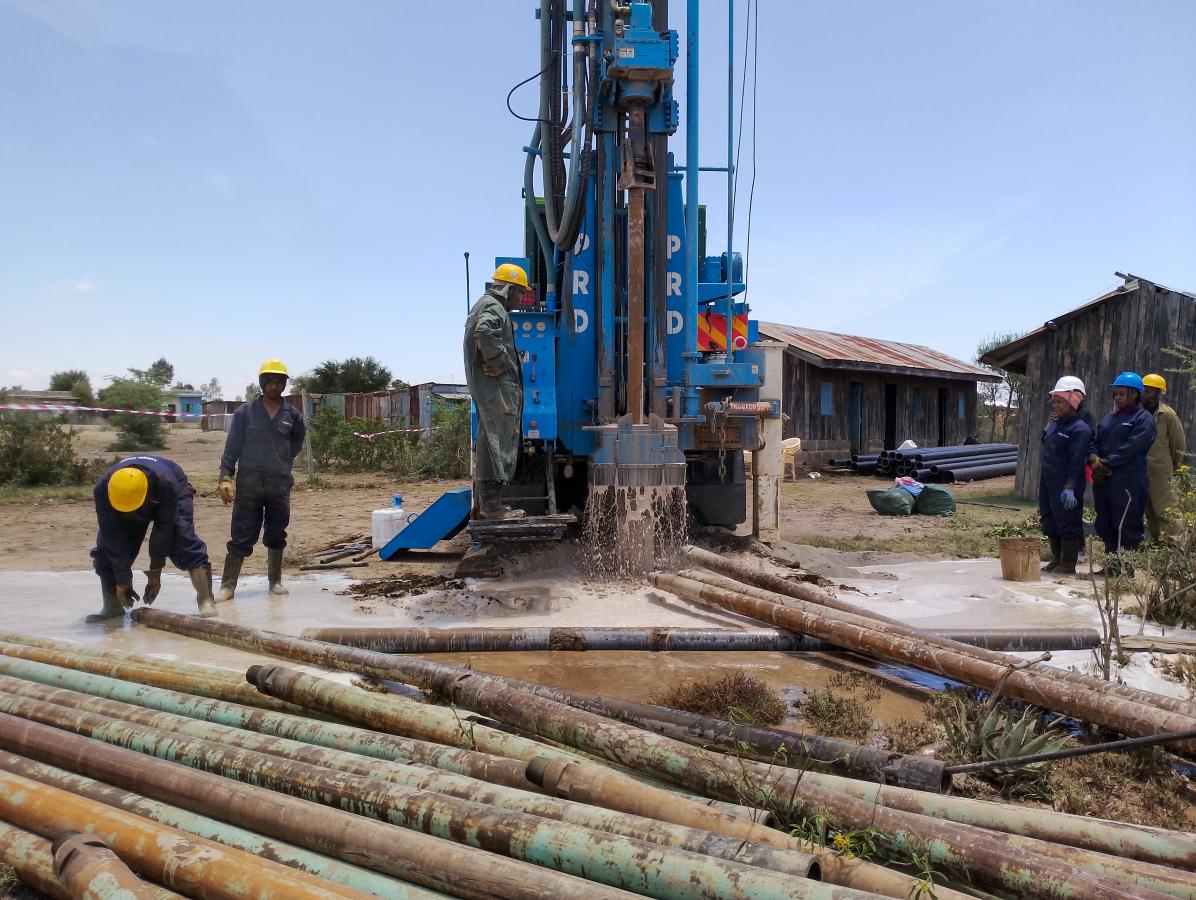
Imagine embarking on a journey to unearth the hidden treasures beneath the Kenyan soil – not gold or diamonds, but something equally vital: water. Hydrogeological surveys serve as the compass for this quest, guiding efforts to secure sustainable groundwater resources. This article explores the intricate tapestry of costs associated with conducting these essential surveys in Kenya, offering insights for stakeholders ranging from government bodies to local farmers.
Understanding Hydrogeological Surveys
Hydrogeological surveys are scientific studies conducted to characterize the properties and distribution of groundwater in a specific area. These surveys are crucial for effective water management, especially in arid regions like many parts of Kenya.
What Does a Hydrogeological Survey Involve?
- Field Investigations: Includes drilling and the collection of soil and rock samples.
- Geophysical Testing: Utilizes methods like electrical resistivity and seismic testing to map subsurface features.
- Hydrochemical Analysis: Examines the chemical composition of groundwater to assess its quality for various uses.
- Data Analysis and Reporting: Experts analyze the collected data to provide recommendations on water extraction and conservation strategies.
Cost Factors of Hydrogeological Surveys in Kenya
The cost of conducting a hydrogeological survey in Kenya can vary widely depending on several factors:
Scope and Scale of the Project
- Size of the Area: Larger areas require more extensive surveying, which increases costs.
- Depth of Investigation: Deeper surveys require more advanced and expensive technology.
Technological and Methodological Approaches
- Basic Techniques: Less expensive but might not provide comprehensive data.
- Advanced Technologies: Higher costs but result in more detailed and accurate findings.
Regulatory and Logistical Considerations
- Permits and Licenses: Necessary for conducting surveys, with costs varying by region and scope.
- Accessibility of the Site: Remote or difficult-to-access areas may incur higher transportation and setup costs.
Real-Life Examples and Case Studies
Case Study: The Turkana County Project
In 2018, a hydrogeological survey was conducted in Turkana County, one of Kenya’s most arid regions. The project aimed to identify new groundwater sources to alleviate chronic water shortages.
- Project Outcomes: The survey successfully mapped several potential groundwater recharge zones.
- Cost Implications: The project’s total cost was approximately KES 20 million, funded by a collaboration between the county government and international donors.
Example: Community-Based Survey in Kitui
A small-scale survey conducted by a local NGO in Kitui County serves as another example. The survey focused on a community-driven approach to manage and conserve groundwater.
- Budget: The project was executed with a modest budget of KES 5 million, sourced from community contributions and a grant.
- Impact: Enhanced community engagement in sustainable water use practices.
Conclusion
Hydrogeological surveys are not just scientific endeavors but are vital tools for sustainable development, particularly in water-scarce regions like Kenya. The costs associated with these surveys are an investment in the future, securing water resources for generations to come. Whether you are a policy maker, a community leader, or a concerned citizen, understanding the financial aspects of these surveys is crucial for planning and decision-making.
“Investing in hydrogeological surveys is investing in water security.”
For those considering such a survey, it’s essential to weigh the initial costs against the long-term benefits of securing sustainable and safe groundwater supplies. By doing so, we not only address the immediate needs but also contribute to the resilience and prosperity of communities across Kenya.