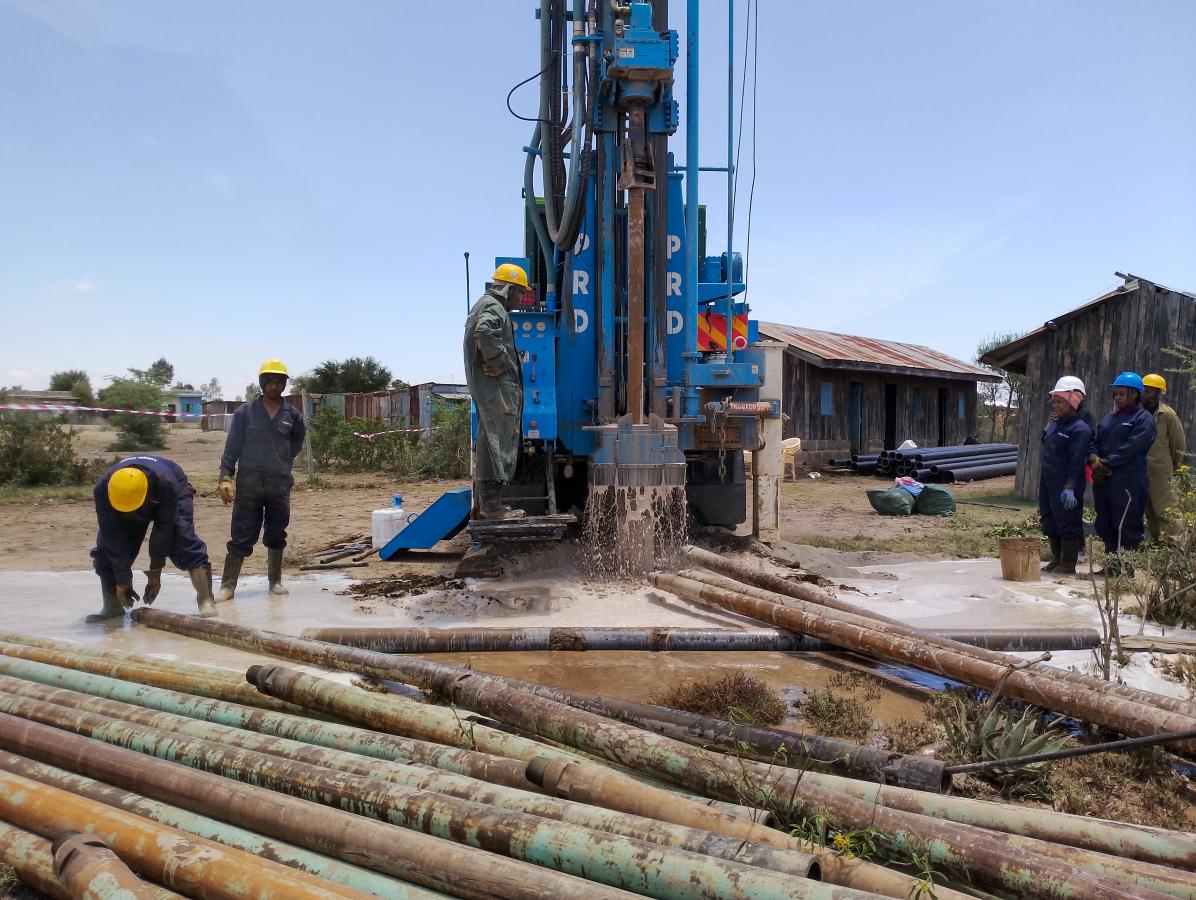
Proper equipment is crucial in water borehole drilling to ensure efficiency, safety, and successful access to groundwater. Using the right tools and machinery not only speeds up the process but also enhances the quality and reliability of the borehole.
Overview of Essential Tools
From drilling rigs to safety gear, a variety of equipment is essential for water borehole drilling. Understanding the purpose and function of each tool helps in making informed decisions and optimizing the drilling process.
Drilling Rigs
Types of Drilling Rigs
Drilling rigs come in various types, each suited for different drilling conditions and depths. Common types include:
- Rotary Rigs: Ideal for soft to medium-hard formations.
- Percussion Rigs: Suitable for hard rock formations.
- Auger Rigs: Best for shallow and unconsolidated formations.
Functions of Drilling Rigs
Drilling rigs serve as the primary machinery for creating boreholes. They rotate the drill bit, apply pressure, and ensure the stability of the drilling process.
Choosing the Right Rig
Selecting the appropriate rig depends on factors such as the geological conditions, borehole depth, and the specific requirements of the project. Consulting with experts and conducting a site assessment can aid in making the right choice.
Drill Bits
Types of Drill Bits
Different drill bits are used depending on the drilling method and the type of rock or soil. Common types include:
- Tri-cone Bits: Versatile and effective in various formations.
- Drag Bits: Suitable for soft formations like clay and sand.
- Diamond Bits: Used for hard and abrasive rocks.
Selection Criteria for Drill Bits
Choosing the right drill bit involves considering factors such as the formation type, drilling method, and desired borehole diameter. Durability and cost are also important considerations.
Maintenance of Drill Bits
Regular maintenance, such as cleaning and inspection, prolongs the life of drill bits and ensures optimal performance. Sharpening and replacing worn-out parts are essential practices.

Drilling Fluids
Purpose of Drilling Fluids
Drilling fluids, also known as drilling mud, play a crucial role in the drilling process. They cool and lubricate the drill bit, remove cuttings, and stabilize the borehole walls.
Types of Drilling Fluids
Common types of drilling fluids include:
- Water-Based Muds: Eco-friendly and cost-effective.
- Oil-Based Muds: Suitable for challenging drilling conditions.
- Synthetic-Based Muds: Provide superior performance but at a higher cost.
Handling and Disposal of Drilling Fluids
Proper handling and disposal of drilling fluids are essential to prevent environmental contamination. Following regulations and using safe disposal methods is crucial.
Casing Pipes
Importance of Casing in Boreholes
Casing pipes are used to line the borehole, preventing collapse and contamination. They provide structural integrity and protect the water source from surface contaminants.
Types of Casing Pipes
Common types include:
- Steel Casing: Durable and strong, suitable for deep boreholes.
- PVC Casing: Lightweight and corrosion-resistant, ideal for shallow wells.
- Fiberglass Casing: Offers high strength and corrosion resistance.
Installation Process
Installing casing involves lowering the pipes into the borehole and securing them with grouting materials. This ensures a stable and contamination-free borehole.
Mud Pumps
Role of Mud Pumps
Mud pumps circulate drilling fluids through the borehole, maintaining the flow and pressure needed for efficient drilling. They help remove cuttings and cool the drill bit.
Types of Mud Pumps
Common types include:
- Reciprocating Pumps: High-pressure pumps suitable for deep drilling.
- Centrifugal Pumps: Used for lower-pressure applications.
Maintenance of Mud Pumps
Regular maintenance, such as checking seals, valves, and pressure levels, ensures the longevity and efficiency of mud pumps.
Compressors
Functions of Compressors in Drilling
Compressors provide the necessary air pressure for pneumatic drilling methods, such as down-the-hole (DTH) drilling. They help in removing cuttings and maintaining borehole stability.
Types of Compressors
Common types include:
- Rotary Screw Compressors: Provide continuous airflow and are suitable for large-scale operations.
- Reciprocating Compressors: Offer high pressure and are used for specific drilling applications.
Key Features to Consider
When choosing compressors, consider factors like airflow rate, pressure capacity, and energy efficiency.
Generators
Need for Generators in Drilling
Generators provide power for drilling equipment, especially in remote locations without access to electricity. They ensure continuous operation and efficiency.
Types of Generators
Common types include:
- Diesel Generators: Durable and powerful, suitable for heavy-duty operations.
- Portable Generators: Lightweight and easy to transport, ideal for smaller projects.
Factors to Consider When Choosing Generators
Consider factors such as power output, fuel efficiency, and noise levels when selecting generators for drilling operations.
Measurement and Logging Tools
Importance of Accurate Measurements
Accurate measurements are crucial for determining the depth, quality, and yield of the borehole. They help in making informed decisions during the drilling process.
Types of Measurement Tools
Common tools include:
- Geophysical Logging Tools: Measure electrical, magnetic, and acoustic properties of the subsurface.
- Flow Meters: Measure the rate of water flow in the borehole.
- Depth Gauges: Ensure precise measurement of borehole depth.
Logging Techniques
Logging involves recording and analyzing data from measurement tools to assess the borehole’s characteristics and performance.
Support Vehicles and Equipment
Transportation of Equipment
Support vehicles transport drilling rigs, tools, and materials to the drilling site. They ensure efficient mobilization and demobilization of equipment.
Support for On-Site Operations
Support equipment, such as water trucks and cranes, assist in various on-site operations, enhancing efficiency and safety.
Safety and Efficiency Considerations
Ensuring that support vehicles and equipment are well-maintained and operated safely is crucial for the success of the drilling project.
Safety Equipment
Essential Safety Gear
Safety gear, such as helmets, gloves, and safety glasses, protects workers from potential hazards. Proper use of safety equipment reduces the risk of accidents and injuries.
Safety Protocols and Training
Implementing safety protocols and providing regular training ensures that workers are aware of potential risks and know how to handle emergencies.
Importance of Regular Inspections
Regular inspections of safety equipment and machinery help identify potential issues and maintain a safe working environment.
Environmental Considerations
Eco-Friendly Equipment Options
Choosing eco-friendly equipment, such as low-emission generators and biodegradable drilling fluids, minimizes environmental impact.
Waste Management Practices
Implementing effective waste management practices, such as proper disposal of drilling fluids and cuttings, helps protect the environment.
Minimizing Environmental Impact
Using sustainable drilling practices and following regulations ensures minimal disruption to the local ecosystem.
Cost Considerations
Budgeting for Drilling Equipment
Budgeting involves estimating the costs of drilling equipment, maintenance, and operation. It helps in planning and managing project expenses.
Balancing Cost and Quality
Investing in high-quality equipment may have higher upfront costs but ensures durability, efficiency, and long-term savings.
Long-Term Investment Benefits
High-quality equipment reduces downtime, maintenance costs, and improves the overall success rate of drilling projects.
Technological Advancements
Innovations in Drilling Equipment
Technological advancements, such as automated drilling rigs and real-time monitoring tools, enhance efficiency and safety in borehole drilling.
Impact on Efficiency and Safety
Innovative equipment reduces manual labor, increases precision, and enhances the safety of drilling operations.
Future Trends
Future trends in drilling equipment include increased automation, use of renewable energy sources, and development of more eco-friendly technologies.
Conclusion
Recap of Essential Equipment
Understanding the essential equipment for water borehole drilling is crucial for ensuring efficient and successful drilling operations. From drilling rigs to safety gear, each tool plays a vital role in the process.
Importance of Proper Equipment Selection
Selecting the right equipment based on project requirements and site conditions is key to achieving the best results and maintaining a sustainable water supply.
FAQs
What is the most important equipment in borehole drilling?
The most important equipment in borehole drilling includes drilling rigs, drill bits, and casing pipes. These tools are essential for creating and maintaining a stable and efficient borehole.
How often should drilling equipment be maintained?
Drilling equipment should be maintained regularly, with routine inspections and servicing conducted to ensure optimal performance and longevity. The frequency of maintenance depends on the type and usage of the equipment.
Can drilling equipment be rented instead of purchased?
Yes, drilling equipment can be rented, which is a cost-effective option for short-term projects or for those who do not want to invest in purchasing equipment. Renting also provides access to the latest technology without the need for long-term maintenance.
What are the environmental impacts of borehole drilling?
The environmental impacts of borehole drilling include potential contamination of groundwater, disruption of local ecosystems, and waste generation. Implementing eco-friendly practices and proper waste management can mitigate these impacts.
How do I choose the right drilling rig for my project?
Choosing the right drilling rig involves considering factors such as the geological conditions, depth of the borehole, and specific project requirements. Consulting with experts and conducting a thorough site assessment can help in making an informed decision.