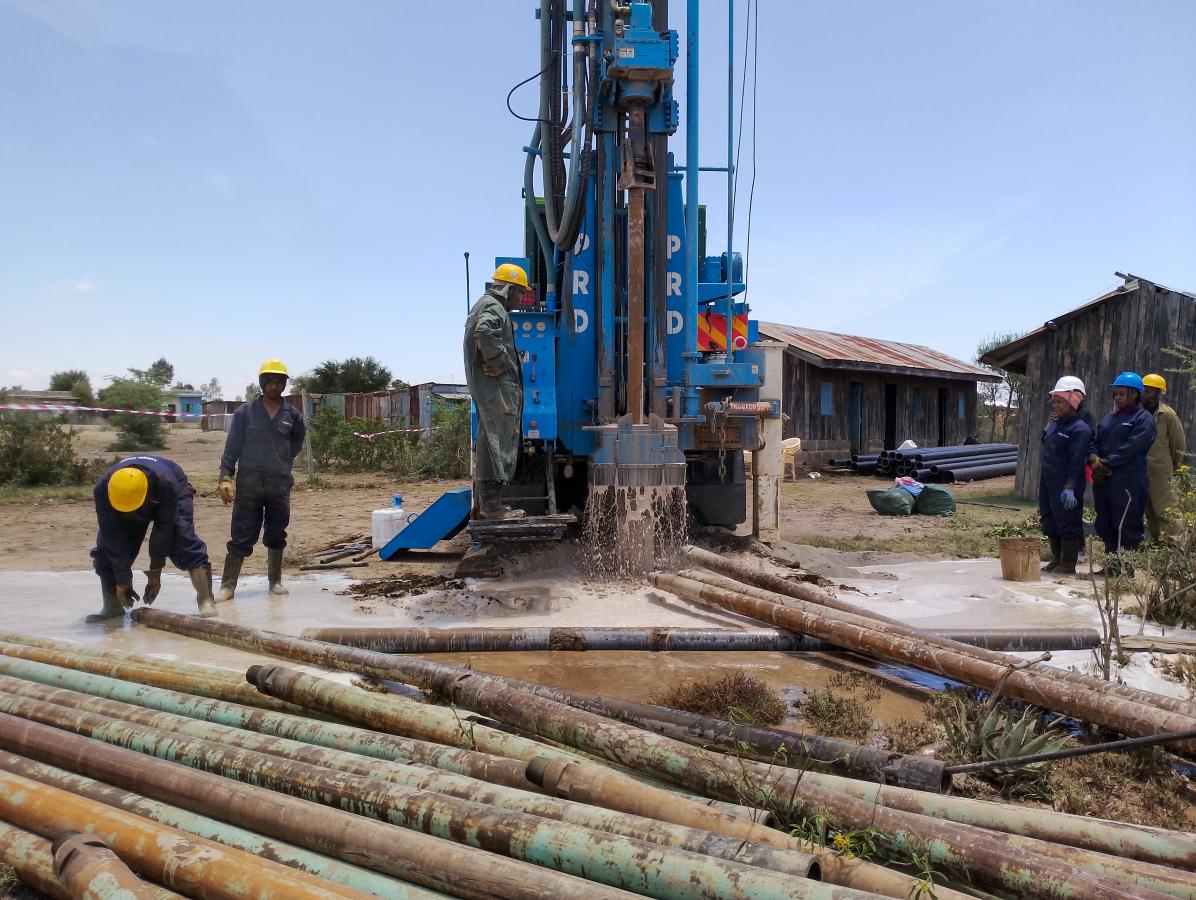
Water borehole drilling is the process of creating narrow, deep holes in the ground to access underground water reserves. This method is commonly used to provide a reliable water source for domestic, agricultural, and industrial purposes, especially in areas where surface water is scarce.
Importance of Water Borehole Drilling
Water borehole drilling is crucial for ensuring a sustainable and independent water supply. It plays a vital role in regions with limited surface water, providing a reliable source for drinking, irrigation, and industrial use. Additionally, boreholes can reduce reliance on municipal water supplies and lower water costs over time.
History of Water Borehole Drilling
Early Techniques
The history of water borehole drilling dates back centuries, with early methods relying on manual labor and simple tools. Ancient civilizations used rudimentary drilling techniques to access underground water, often employing percussion methods to break through rock layers.
Modern Advancements
Modern borehole drilling has advanced significantly with the development of sophisticated machinery and techniques. Today, hydraulic rigs, rotary drilling, and advanced geological surveys make the process more efficient, accurate, and capable of reaching greater depths.
Types of Water Boreholes
Domestic Water Boreholes
These boreholes provide water for household use, including drinking, cooking, and sanitation. They are typically smaller in diameter and depth compared to agricultural or industrial boreholes.
Agricultural Water Boreholes
Agricultural boreholes supply water for irrigation, livestock, and other farming needs. They are designed to deliver high volumes of water and are often deeper and larger in diameter to meet the substantial demand.
Industrial Water Boreholes
Industrial boreholes cater to factories, manufacturing plants, and other industrial operations requiring significant water quantities. These boreholes are engineered to withstand heavy use and are equipped with robust pumping systems.
Borehole Drilling Process
Site Assessment
The first step in borehole drilling is a thorough site assessment. Geologists and engineers evaluate the area’s geological and hydrological characteristics to determine the best drilling location. This assessment includes studying rock formations, soil types, and existing water sources.
Drilling Techniques
The drilling process begins with setting up the rig and drilling a pilot hole. Depending on the geological conditions, different drilling techniques may be used:
- Percussion Drilling: Involves repeatedly lifting and dropping a heavy tool to break through rock layers.
- Rotary Drilling: Uses a rotating drill bit to bore through soil and rock, often with the assistance of drilling fluids.
- Auger Drilling: Employs a helical screw to remove soil and rock cuttings from the borehole.
Casing and Completion
Once the borehole reaches the desired depth, it is lined with casing pipes to prevent collapse and contamination. The space between the casing and borehole wall is sealed with grout. Finally, a wellhead is installed, and the borehole is developed to optimize water flow.
Equipment Used in Water Borehole Drilling
Drilling Rigs
Drilling rigs are the core equipment used in borehole drilling. These machines vary in size and capability, from small, portable rigs for shallow boreholes to large, truck-mounted rigs for deeper wells.
Drilling Fluids
Drilling fluids, or muds, are used to lubricate the drill bit, stabilize the borehole, and remove cuttings. These fluids are essential for efficient drilling, especially in challenging geological conditions.
Casing Pipes
Casing pipes are inserted into the borehole to support its walls and prevent contamination. They are typically made of steel or PVC and are selected based on the borehole’s depth and expected water quality.
Borehole Drilling Methods
Percussion Drilling
Percussion drilling is one of the oldest methods, involving the repeated lifting and dropping of a heavy tool to fracture rock. This method is effective in hard rock formations but is slower compared to modern techniques.
Rotary Drilling
Rotary drilling is the most common method used today. It employs a rotating drill bit to cut through rock and soil, with drilling fluids circulating to remove debris and cool the bit. This technique is efficient and suitable for various geological conditions.
Auger Drilling
Auger drilling uses a helical screw to bore into the ground. It is mainly used for shallow boreholes and is effective in unconsolidated formations like sand and gravel. This method is quick and cost-effective for specific applications.
Choosing the Right Location
Geological Surveys
Selecting the optimal location for drilling a water borehole involves detailed geological surveys. Experts analyze rock formations, soil types, and existing water sources to identify the best drilling site. This step is crucial for ensuring a high-yield and sustainable water source.
Environmental Considerations
Environmental factors, such as proximity to contamination sources and potential impacts on local ecosystems, must be considered when choosing a borehole location. Proper site selection helps prevent water contamination and ensures minimal environmental disruption.
Costs Involved in Water Borehole Drilling
Initial Costs
The initial costs of drilling a water borehole can vary widely based on factors such as depth, geological conditions, and equipment used. These costs typically include site assessment, drilling, casing, and wellhead installation.
Maintenance Costs
Ongoing maintenance is essential to ensure the borehole’s longevity and performance. Regular inspections, cleaning, and repairs can incur additional costs, but they are necessary to prevent issues such as contamination and equipment failure.
Regulations and Permits
Local Regulations
Water borehole drilling is subject to local regulations that govern aspects such as drilling depth, water usage, and environmental protection. It is crucial to adhere to these regulations to avoid legal issues and ensure sustainable water extraction.
Obtaining Permits
Obtaining the necessary permits is a critical step in the drilling process. This involves submitting detailed plans and assessments to local authorities for approval. The permitting process ensures that drilling activities comply with all relevant regulations and standards.
Challenges in Water Borehole Drilling
Geological Challenges
Drilling through complex geological formations can pose significant challenges. Hard rock layers, unstable soils, and high groundwater pressures can complicate the drilling process and increase costs.
Technical Challenges
Technical issues, such as equipment failure and drilling fluid management, can also arise during the drilling process. Experienced operators and well-maintained equipment are essential for overcoming these challenges and ensuring successful borehole completion.
Benefits of Water Borehole Drilling
Sustainable Water Source
Water boreholes provide a reliable and sustainable water source, reducing dependence on surface water and municipal supplies. This is particularly beneficial in areas prone to drought or water shortages.
Cost Savings
While the initial investment in drilling a borehole can be high, the long-term cost savings from reduced water bills and increased water security can be substantial. Boreholes can also increase property value, making them a worthwhile investment.
Increased Property Value
Properties with access to a private water supply often have higher market values. This is particularly true in regions where water scarcity is a concern. Boreholes can enhance the appeal and functionality of both residential and commercial properties.
Maintenance of Water Boreholes
Regular Inspections
Regular inspections are essential to monitor the condition of the borehole and identify any potential issues early. These inspections should be conducted by qualified professionals who can assess the structural integrity and water quality.
Cleaning and Repairs
Over time, boreholes can accumulate sediments and mineral deposits that reduce water flow. Regular cleaning and maintenance help maintain optimal performance. Repairs may also be necessary to address issues such as casing corrosion or pump malfunctions.
Common Issues and Solutions
Low Water Yield
Low water yield can result from various factors, including geological conditions and borehole design. Solutions may involve deepening the borehole, improving well development, or using more efficient pumping systems.
Contamination
Contamination of borehole water can occur due to improper site selection, casing failure, or nearby pollution sources. Addressing contamination involves identifying and mitigating the source, sealing any breaches, and treating the water if necessary.
Equipment Failure
Equipment such as pumps and casings can fail over time due to wear and tear or improper installation. Regular maintenance and timely repairs are essential to prevent equipment failures and ensure the borehole’s longevity.
Case Studies
Successful Water Borehole Projects
Numerous successful water borehole projects worldwide demonstrate the effectiveness of this method in providing reliable water sources. These case studies highlight best practices, innovative techniques, and lessons learned from various drilling projects.
Lessons Learned
Examining past borehole projects offers valuable insights into overcoming challenges and optimizing drilling processes. Lessons learned can guide future projects, improving efficiency, cost-effectiveness, and sustainability.
Water borehole drilling is a vital process for accessing underground water resources. With advancements in technology and techniques, it has become an efficient and reliable method for securing sustainable water supplies. By understanding the intricacies of the drilling process, costs, regulations, and maintenance, individuals and organizations can make informed decisions to ensure successful borehole projects. As water scarcity becomes an increasing concern globally, borehole drilling will continue to play a crucial role in meeting water demands.
FAQs
How long does it take to drill a water borehole?
The time required to drill a water borehole depends on factors such as depth, geological conditions, and drilling method. On average, it can take anywhere from a few days to a few weeks.
What is the average cost of drilling a water borehole?
The cost of drilling a water borehole varies widely based on location, depth, and geological conditions. On average, costs can range from $5,000 to $15,000.
How deep should a water borehole be?
The depth of a water borehole depends on the local geology and the depth of the water table. Domestic boreholes typically range from 100 to 500 feet, while agricultural and industrial boreholes may be deeper.
What maintenance does a water borehole require?
Regular maintenance for a water borehole includes inspections, cleaning, and repairs. This ensures optimal performance and prevents issues such as contamination and equipment failure.
Are there any environmental concerns with water borehole drilling?
Yes, environmental concerns include potential contamination of groundwater, disruption of local ecosystems, and over-extraction of water. Proper site selection, adherence to regulations, and responsible water management can mitigate these concerns.