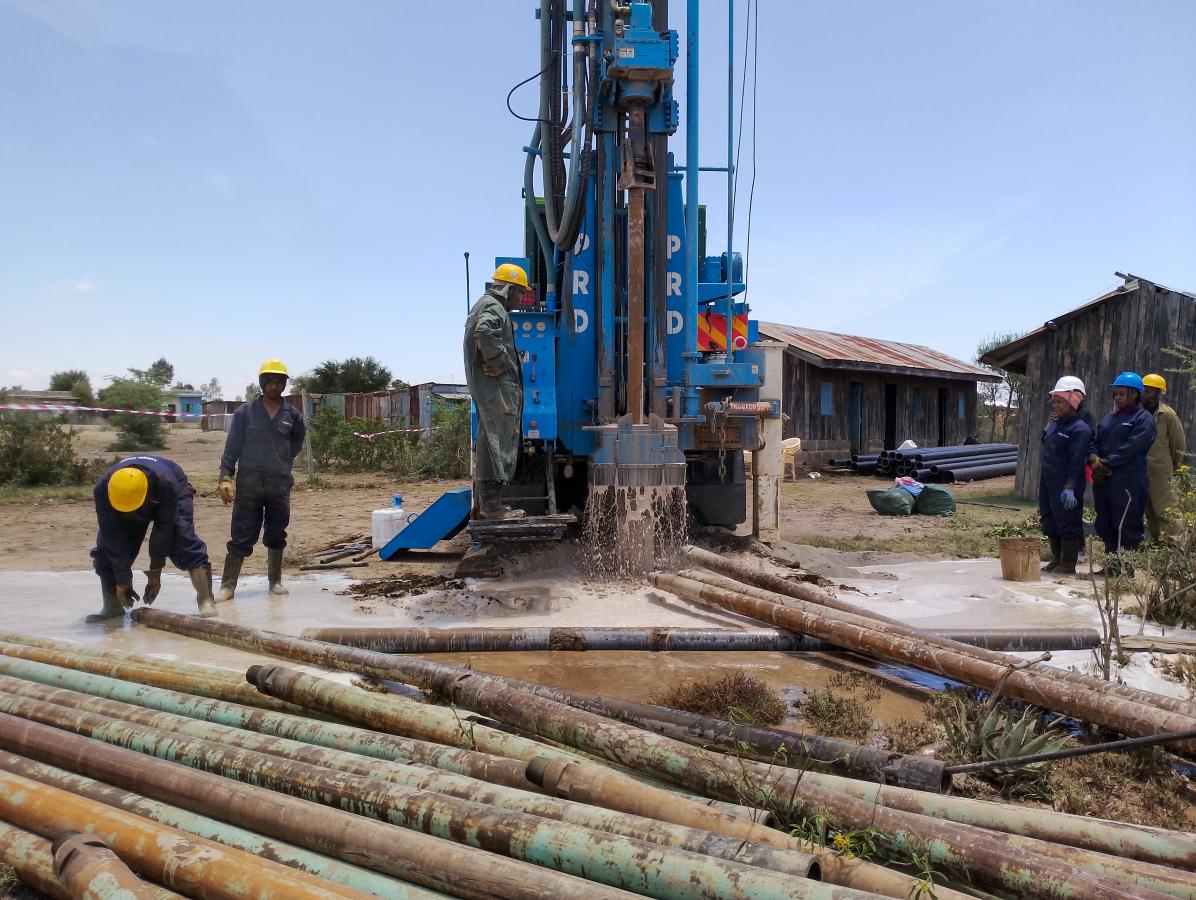
In Kenya, the exploration and extraction of groundwater through boreholes play a crucial role in providing access to clean and reliable water sources, especially in areas with complex geological formations like metamorphic terrains. Understanding the status of boreholes drilled in these terrains is essential to ensure sustainable water supply and management. This article delves into the current situation of boreholes in metamorphic terrains in Kenya, highlighting challenges, successes, and future prospects.
Challenges in Borehole Drilling in Metamorphic Terrains
Geological Complexity
- Metamorphic terrains in Kenya pose unique challenges for borehole drilling due to their complex rock formations.
- The presence of hard, resistant rocks makes it difficult to penetrate the ground and access water-bearing formations.
Limited Water Availability
- Boreholes in metamorphic terrains often face issues of limited water availability, impacting their sustainability and reliability.
- The low porosity and permeability of metamorphic rocks reduce the potential yield of boreholes, requiring careful planning and management.
Technical Difficulties
- The equipment and techniques used for drilling boreholes in metamorphic terrains need to be specialized to overcome the hardness of the rocks.
- Maintaining borehole integrity and preventing collapse in these challenging terrains require expertise and precision.
Success Stories in Borehole Drilling
Technology Advancements
- Advancements in drilling technology, such as rotary drilling methods and hydraulic fracturing, have improved the efficiency and success rate of boreholes in metamorphic terrains.
- Innovative tools and equipment allow for deeper and more precise drilling, increasing the chances of striking sustainable water sources.
Community Engagement
- Community involvement in borehole drilling projects fosters ownership and sustainability.
- Collaborative efforts between local communities, government agencies, and NGOs help in identifying suitable drilling sites and ensuring proper maintenance and management of boreholes.
Future Prospects and Recommendations
Hydrogeological Studies
- Conducting detailed hydrogeological studies in metamorphic terrains is essential to understand the groundwater potential and dynamics.
- These studies can provide valuable insights into the optimal location and design of boreholes for sustainable water supply.
Capacity Building
- Investing in training and capacity building for local drillers and water management committees improves the efficiency and effectiveness of borehole projects.
- Empowering local communities to take charge of water resource management enhances long-term sustainability.
Conclusion
Exploring the status of boreholes drilled in metamorphic terrains in Kenya reveals both challenges and opportunities in ensuring access to clean water. By addressing geological complexities, improving drilling technologies, and promoting community participation, sustainable water supply can be achieved. It is crucial to invest in research, capacity building, and collaborative initiatives to enhance the status of boreholes in metamorphic terrains for the benefit of all stakeholders.
“Sustainable water supply in metamorphic terrains requires a harmonious blend of technology, community engagement, and scientific expertise.”
Remember, Water is Life.