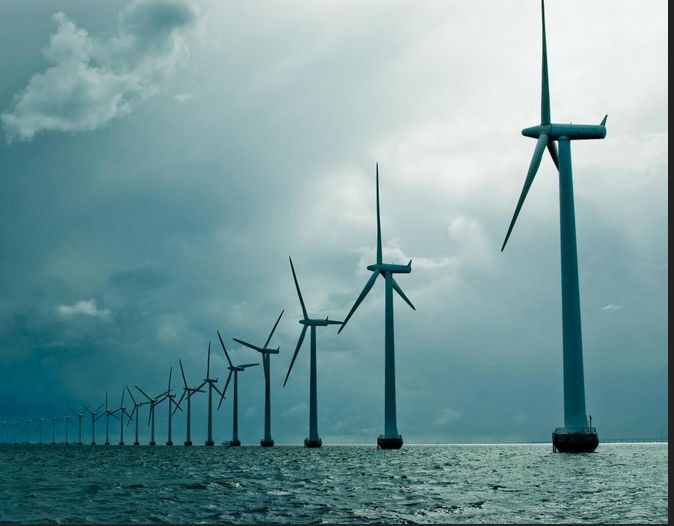
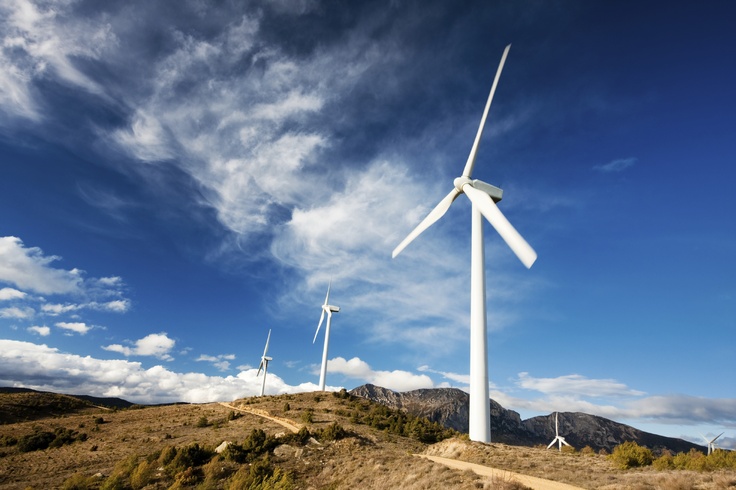
As the global climate crisis accelerates, countries and industries are racing to reduce their carbon footprints and transition to clean energy. While wind and solar are frequently highlighted in the renewable conversation, geothermal energy is one of the most effective yet underutilized tools for mitigating carbon emissions.
With the ability to deliver consistent, low-emission energy 24/7, geothermal plays a vital role in combating climate change, not just by replacing fossil fuels but by contributing to the resilience and sustainability of our entire energy ecosystem.
This article explores how geothermal energy helps reduce greenhouse gases, the carbon advantages it offers, and why it should be a priority in climate change strategies.
1. Low Carbon Footprint from the Start
Geothermal power plants emit very little carbon dioxide compared to fossil fuel power stations. While a coal plant may emit up to 900 grams of CO₂ per kilowatt-hour (kWh) and a natural gas plant about 450 grams, a geothermal power plant emits as little as 15–50 grams per kWh, and sometimes even less in binary systems.
In fact, many modern geothermal plants are considered nearly carbon neutral, especially when emissions control systems are in place or when closed-loop technology is used.
2. No Combustion, No Fossil Fuels
Unlike fossil-fueled energy generation, geothermal energy doesn’t rely on the combustion of coal, oil, or gas. It draws heat from beneath the Earth’s surface to generate electricity or provide direct heating. Because there’s no burning process, there’s no release of:
-
Carbon dioxide (CO₂)
-
Methane (CH₄)
-
Sulfur dioxide (SO₂)
-
Nitrogen oxides (NOₓ)
-
Particulate matter
This not only mitigates climate change but also improves air quality, benefiting both human health and the environment.
3. Lifecycle Emissions: Among the Lowest
When measuring a technology’s full climate impact, it’s important to consider lifecycle emissions—those generated during manufacturing, construction, operation, maintenance, and decommissioning.
In this regard, geothermal energy performs extremely well:
-
Geothermal: ~38 gCO₂-eq/kWh
-
Wind: ~12 gCO₂-eq/kWh
-
Solar PV: ~45 gCO₂-eq/kWh
-
Natural Gas: ~450 gCO₂-eq/kWh
-
Coal: ~900 gCO₂-eq/kWh
This data confirms that geothermal is among the cleanest and most sustainable energy sources over its entire lifecycle.
4. Baseload Renewable Power = More Fossil Fuel Displacement
While solar and wind are essential to the clean energy transition, they are intermittent. They work only when the sun shines or the wind blows, meaning fossil fuels are still needed to fill the gaps.
Geothermal, however, provides baseload power—a consistent and reliable supply of electricity. This makes it ideal for displacing coal and gas plants that typically provide this round-the-clock power.
Every megawatt-hour (MWh) of electricity generated from geothermal instead of coal prevents roughly 1,000 kg of CO₂ emissions. Over time, this leads to massive reductions in greenhouse gases.
5. Reduced Land Use and Surface Impact
Geothermal plants require much less land than solar or wind farms to produce the same amount of energy. This minimizes deforestation, habitat disruption, and other land-related emissions that come from clearing land for development.
Additionally, geothermal power plants are often located underground or use a small surface footprint, preserving more natural ecosystems and helping maintain environmental balance.
6. Opportunity for Carbon-Negative Systems
Advanced geothermal technologies are unlocking new frontiers in carbon capture and storage (CCS). In some systems, it’s now possible to inject carbon dioxide into geothermal reservoirs, where it mineralizes and becomes permanently stored.
These innovative setups combine geothermal power generation with carbon sequestration, creating the potential for net-negative emissions—a revolutionary step in fighting climate change.
A notable example is the CarbFix project in Iceland, where captured CO₂ is injected into basalt formations and turns into rock within two years. Such innovations could be scaled globally in geothermal-rich regions.
7. Energy Security and Decarbonization
Reducing reliance on fossil fuels is a climate imperative, but it’s also a matter of energy security. Countries that develop their geothermal resources can reduce oil and gas imports and stabilize their energy markets, while also meeting their Nationally Determined Contributions (NDCs) under the Paris Agreement.
For example, Kenya, which generates over 40% of its electricity from geothermal, has significantly reduced its reliance on diesel and heavy fuel oil, cutting emissions and improving energy resilience.
8. Direct Heating Without Emissions
Geothermal energy isn’t limited to electricity. Direct-use applications—like heating greenhouses, homes, industrial buildings, or entire communities—offer a clean alternative to heating systems powered by oil, coal, or gas.
Heating accounts for nearly half of global energy demand, much of which still comes from fossil fuels. Geothermal heating systems can cut carbon emissions dramatically while also reducing heating costs.
9. Synergy with Other Green Technologies
Geothermal power pairs well with other clean technologies. For instance:
-
It can be integrated into hybrid renewable microgrids.
-
Excess geothermal heat can power absorption chillers for cooling or be used in hydroponics and aquaculture.
-
Geothermal fluids can be tapped for mineral extraction, reducing emissions associated with traditional mining.
This creates an ecosystem of sustainability where multiple benefits arise from a single source of clean energy.
10. A Key to a Net-Zero Future
To meet global climate targets—such as limiting warming to 1.5°C—we must decarbonize the power sector quickly. While solar and wind will play leading roles, geothermal offers unique strengths:
-
Baseload stability
-
Extremely low emissions
-
Long lifespan (20–50+ years)
-
Grid-friendly reliability
-
Compatibility with CCS
It’s a solution that addresses both the urgency and complexity of climate change mitigation.
Conclusion: Geothermal’s Quiet Climate Superpower
Geothermal energy may not make as many headlines as wind turbines or solar farms, but its potential in the fight against climate change is immense. By displacing fossil fuels, reducing lifecycle emissions, enabling carbon storage, and offering year-round reliability, geothermal is one of the most powerful tools we have to slash greenhouse gas emissions.
As climate urgency grows, geothermal energy deserves a bigger role in global clean energy strategies. It’s not just a source of heat—it’s a source of hope.