As the world shifts away from fossil fuels, renewable energy technologies are playing a central role in creating a cleaner, greener, and more sustainable future. Among the various renewable sources—such as solar, wind, hydro, and biomass—geothermal energy stands out for its unmatched reliability and consistency.
While solar panels depend on sunlight and wind turbines rely on breezes, geothermal energy taps into the Earth’s internal heat, a source that never stops. This article explores why geothermal energy is considered one of the most reliable forms of renewable power and why it’s crucial to the future of global energy systems.
1. Constant and Independent of Weather
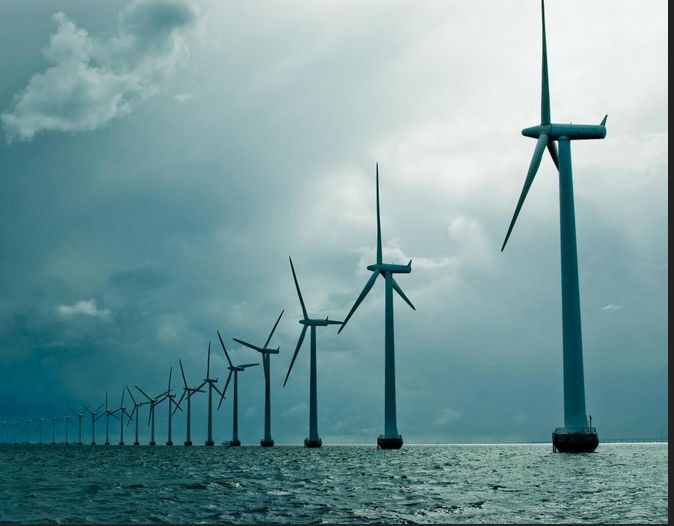
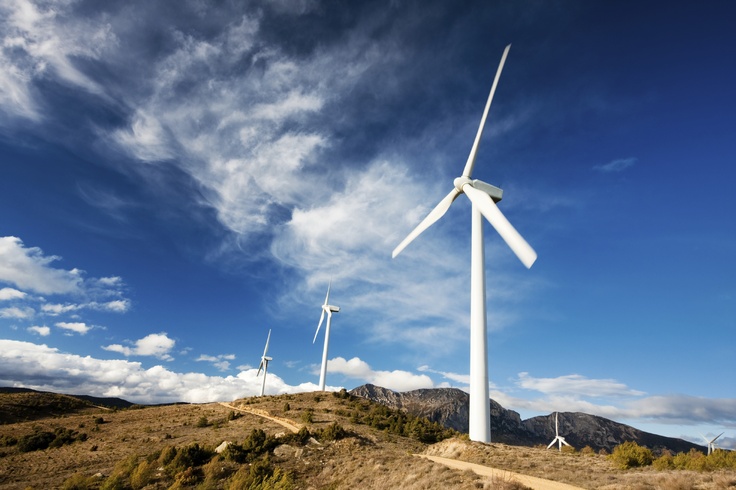
One of the key benefits of geothermal energy is that it is not weather-dependent. Solar panels only work during daylight hours, and their efficiency drops during cloudy or rainy weather. Wind turbines require a minimum wind speed to operate, and wind patterns can be unpredictable.
By contrast, geothermal energy is available 24/7, 365 days a year, regardless of external conditions. The Earth’s core continuously radiates heat, which geothermal systems can access at any time. This base-load power capability makes geothermal energy uniquely dependable among renewables.
2. Extremely High Capacity Factor
The capacity factor is a measure of how often a power plant runs at maximum output over a given period. Most geothermal power plants have capacity factors above 85–90%, which is significantly higher than:
-
Solar (15–25%)
-
Wind (25–45%)
-
Hydropower (30–50%)
This means geothermal plants can produce electricity almost continuously with very few interruptions, making them highly suitable for core electricity supply, rather than just supplemental or peak-demand generation.
3. Long-Term Energy Resource
Geothermal reservoirs, when properly managed, can provide energy for decades or even centuries. Unlike fossil fuels, which are finite and diminish with use, geothermal energy comes from the Earth’s core, which remains constantly hot due to nuclear decay and residual heat from planetary formation.
Advanced geothermal systems (like closed-loop and enhanced geothermal systems) also allow for heat to be recycled and reinjected into the Earth, making the resource essentially sustainable with responsible practices.
4. Minimal Downtime and Maintenance
Geothermal power plants typically require less maintenance compared to other energy sources. Once the drilling and infrastructure are in place, the systems operate with high efficiency and reliability. The equipment is generally housed in controlled environments, reducing wear and tear from external factors.
Downtime for geothermal plants is minimal and usually limited to scheduled maintenance, unlike wind turbines, which may shut down during storms, or solar panels, which might be affected by snow or dust.
5. Predictable Energy Output
Another mark of reliability is predictability. With geothermal systems, energy output can be forecasted accurately. The subsurface temperatures and pressures are relatively stable, allowing operators to predict power generation with precision. This stability helps utilities plan better and reduces risks of power shortages.
In contrast, solar and wind energy can fluctuate, creating challenges for grid stability and requiring storage or backup systems. Geothermal avoids these fluctuations altogether.
6. Resilience in Extreme Conditions
Geothermal systems are built to withstand extreme environmental conditions. Unlike overhead transmission lines or wind turbines that can be damaged by storms, or solar systems that may be impaired by snow or dust, geothermal infrastructure is largely underground or enclosed.
This makes geothermal energy especially reliable in:
-
Cold climates
-
Storm-prone areas
-
Remote or off-grid locations
-
Post-disaster recovery zones
In fact, geothermal systems have proven their value during extreme weather events, continuing to operate when other energy sources failed.
7. Low Risk of Resource Depletion
Fossil fuels, once extracted and burned, are gone forever. Even biomass relies on continuous planting and harvesting, which can be disrupted by weather or land-use issues.
Geothermal energy, on the other hand, is drawn from a heat source that is naturally replenished. Even in direct-use systems or flash steam plants, reinjecting used water back into the reservoir helps maintain pressure and extend the life of the geothermal field. With proper management, there is a very low risk of depletion.
8. Stable Energy Costs
Reliability isn’t just about output—it’s also about cost stability. Fossil fuel prices are subject to market volatility, geopolitical tensions, and supply chain disruptions. Even solar panel prices can fluctuate due to changes in materials or trade regulations.
Geothermal systems, after the initial capital investment, have very low operating costs and offer stable electricity prices for decades. Since the fuel (heat) is free and constant, geothermal provides an energy hedge against future price shocks.
9. Versatility of Applications
Geothermal energy can be used not only for electricity generation but also for:
-
Direct heating of homes, buildings, and greenhouses
-
District heating systems
-
Industrial process heat
-
Geothermal heat pumps for individual buildings
This versatility ensures that geothermal can provide reliable heating and energy across a range of applications, even in areas not suitable for large power plants.
10. Grid Stability and Energy Security
Integrating a reliable energy source into the power grid is essential for grid stability. Geothermal’s baseload characteristics help maintain a consistent flow of electricity and reduce reliance on intermittent sources.
In regions that adopt geothermal energy, there’s greater energy security, especially if the country lacks oil or gas resources. For example, Kenya has become a geothermal leader in Africa, reducing dependence on imported fuels and stabilizing its national grid.
Conclusion: A Foundation for a Renewable Energy Future
While all renewable energy sources are important in the fight against climate change, geothermal energy’s reliability sets it apart. With 24/7 availability, high capacity factors, low operational costs, and long-term sustainability, geothermal is a strong candidate for becoming the backbone of a fully renewable power system.
As global energy strategies evolve, it’s clear that geothermal must play a leading role, especially in regions with viable geothermal resources. In a world of uncertainty, geothermal offers certainty. In a time of energy transition, it offers consistency.
When planning for a resilient, low-carbon future, geothermal energy should not be a footnote. It should be a cornerstone.