Wind energy has emerged as one of the most promising solutions in the fight against climate change. As a clean, renewable, and increasingly cost-effective energy source, it plays a critical role in the global shift from fossil fuels to green energy. But how does wind energy actually work? This beginner’s guide breaks down the science, mechanics, and technologies behind wind power to help you understand how it transforms something as invisible as wind into a powerful source of electricity.
What is Wind Energy?
Wind energy is the process of converting the natural movement of air, wind, into usable electricity. Wind is caused by the uneven heating of the Earth’s surface by the sun, combined with the rotation of the planet. These movements create kinetic energy in the atmosphere, which wind turbines capture and convert into electrical energy.
How Wind Turbines Work
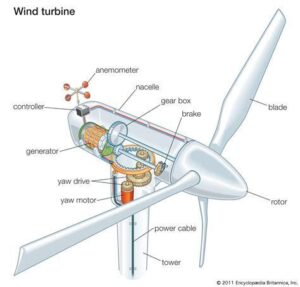
At the heart of every wind energy system is the wind turbine. Most modern wind turbines consist of three main parts:
-
Rotor blades: These are the large blades that catch the wind.
-
Nacelle: This is the housing that contains the gearbox and generator.
-
Tower: This supports the nacelle and blades, often standing over 80 meters tall.
When the wind blows, it causes the rotor blades to spin. The motion of the blades turns a shaft inside the nacelle, which is connected to a gearbox. The gearbox increases the rotation speed and transfers it to a generator, which produces electricity. This electricity is then transmitted through cables to the power grid or directly to a storage system or local use point.
Types of Wind Turbines
Wind turbines come in various designs, but they are typically categorized into two types:
-
Horizontal-Axis Wind Turbines (HAWTs): These are the most common and resemble the traditional windmill. The blades rotate around a horizontal axis and are usually positioned to face the wind directly.
-
Vertical-Axis Wind Turbines (VAWTs): These have blades that rotate around a vertical axis and can capture wind from any direction, though they are less efficient than HAWTs.
Onshore vs. Offshore Wind Farms
Wind turbines are often grouped into wind farms to produce large amounts of electricity. These farms can be either:
-
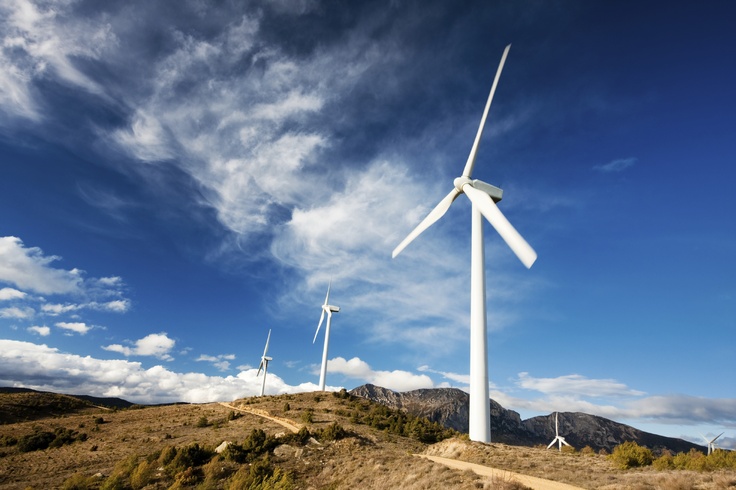
Onshore: Located on land, typically in open plains or hilly areas with consistent wind speeds.
-
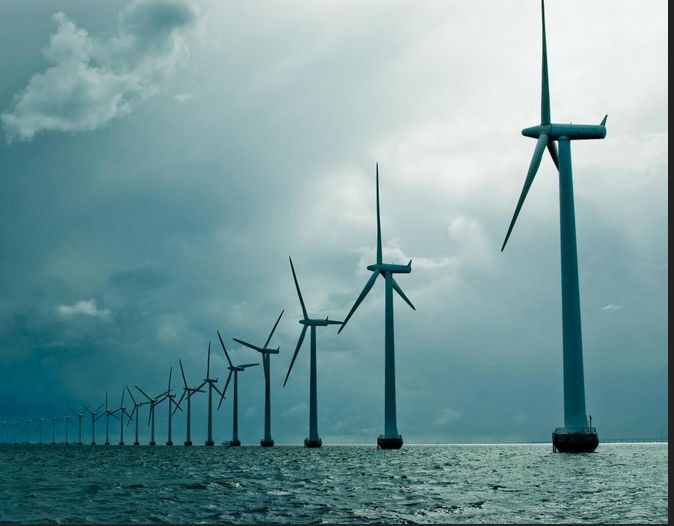
Offshore: Situated in oceans or large bodies of water where wind speeds are stronger and more consistent.
Offshore wind farms tend to be more expensive to build and maintain, but can generate more electricity due to the stronger and steadier winds.
Advantages of Wind Energy
Wind energy offers numerous benefits, making it one of the most attractive renewable energy sources:
-
Clean energy: Wind power doesn’t emit greenhouse gases or pollutants.
-
Sustainable: Wind is inexhaustible as long as the sun shines and the Earth rotates.
-
Cost-effective: Technological advancements have drastically reduced the cost per kilowatt-hour.
-
Land use efficiency: Wind turbines take up relatively little space, allowing land to be used simultaneously for farming or grazing.
Challenges in Wind Energy
Despite its advantages, wind energy has some limitations:
-
Intermittency: Wind doesn’t blow consistently, leading to variable electricity generation.
-
Noise and visual impact: Some communities object to turbines based on noise or aesthetics.
-
Wildlife concerns: Turbines can pose threats to birds and bats if not properly sited.
-
Storage and grid integration: Efficient energy storage and grid infrastructure are needed to handle fluctuations in production.
Wind Energy and the Power Grid
Once electricity is generated, it needs to be integrated into the power grid. Grid operators must manage the flow of electricity from various sources, including wind, to ensure a consistent and stable supply. In some regions, smart grid technologies and energy storage systems, like batteries or pumped hydro, are used to help balance supply and demand.
The Future of Wind Energy
As countries aim for net-zero emissions and adopt more stringent climate targets, wind energy is expected to play an even bigger role. Innovations in turbine design, materials, and artificial intelligence are making wind systems more efficient and reliable. Floating wind farms, which can be deployed in deeper waters, are also opening new frontiers for offshore wind development.
Conclusion
Wind energy is a cornerstone of the global clean energy transition. By converting the natural motion of wind into electricity, we reduce our dependence on fossil fuels and move toward a more sustainable future. Understanding how wind turbines work not only empowers us as informed consumers but also highlights the immense potential of this green technology. Whether you’re a homeowner considering a small turbine, a policymaker exploring national solutions, or a curious citizen, the wind is a powerful ally in the journey toward a cleaner, greener planet.