In the modern age of climate awareness and environmental responsibility, wind energy has taken center stage as one of the most viable alternatives to fossil fuels. It is a renewable, clean, and increasingly affordable energy source that contributes significantly to reducing carbon emissions and promoting sustainable development. This article explores the top 10 benefits of wind energy and how it contributes to a more sustainable and secure energy future for the world.
1. Wind Energy is a Clean Source of Power
Unlike coal, oil, or natural gas, wind energy does not produce harmful emissions or pollutants. Wind turbines generate electricity without releasing carbon dioxide (CO₂), sulfur dioxide, or nitrogen oxides—major contributors to climate change and air pollution. By switching to wind power, nations can drastically cut greenhouse gas emissions and improve overall air quality, especially in urban and industrialized regions.
2. It is Renewable and Inexhaustible
Wind is a naturally occurring phenomenon caused by the sun heating the Earth’s surface unevenly. As long as the sun continues to shine and the planet rotates, wind will exist. Unlike fossil fuels, which are finite and will eventually be depleted, wind energy is truly renewable and can be harnessed perpetually without fear of running out.
3. It Reduces Dependence on Fossil Fuels
Many countries are heavily reliant on imported fossil fuels, which are subject to price volatility and geopolitical tensions. Wind energy provides a locally sourced alternative, boosting national energy independence and insulating economies from the shocks of global energy markets. With domestic wind power, countries can build resilient energy systems that are less affected by foreign supply disruptions.
4. Wind Energy Has Low Operational Costs
While the initial installation of wind turbines and supporting infrastructure requires investment, the ongoing operational and maintenance costs are relatively low. Wind is free, and once a turbine is up and running, it continues to generate electricity with minimal input. Over time, this results in stable and predictable energy prices compared to the fluctuating costs of fossil fuels.
5. Wind Power Creates Jobs and Stimulates Economic Growth
The wind energy sector is a powerful driver of job creation. From manufacturing turbine components to installation, maintenance, and operation, wind energy supports a broad range of employment opportunities. According to the International Renewable Energy Agency (IRENA), millions of jobs worldwide have been created in the renewable energy sector, with wind energy accounting for a significant share. In rural areas, wind farms can revitalize local economies and provide stable income to landowners.
6. It Supports Rural and Remote Communities
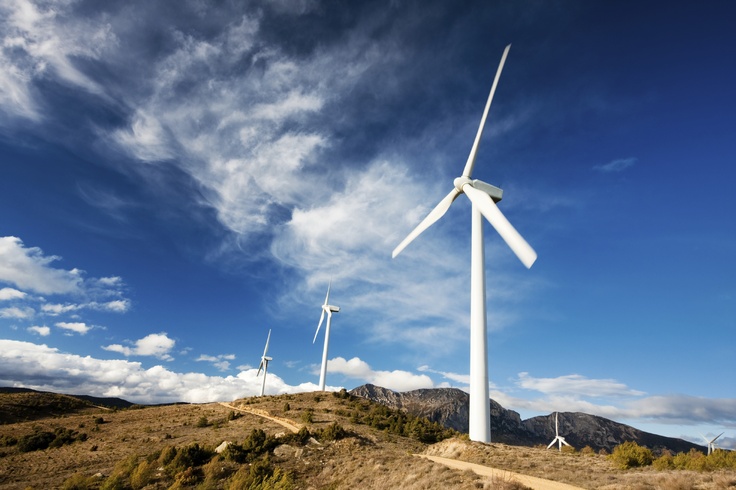
Many wind farms are built in rural or sparsely populated areas where wind speeds are higher and more consistent. These developments bring much-needed infrastructure, economic opportunities, and tax revenue to remote communities. Additionally, farmers and landowners can lease their land for turbine installation while continuing to use it for agriculture, creating a win-win scenario.
7. Wind Energy is Scalable and Versatile
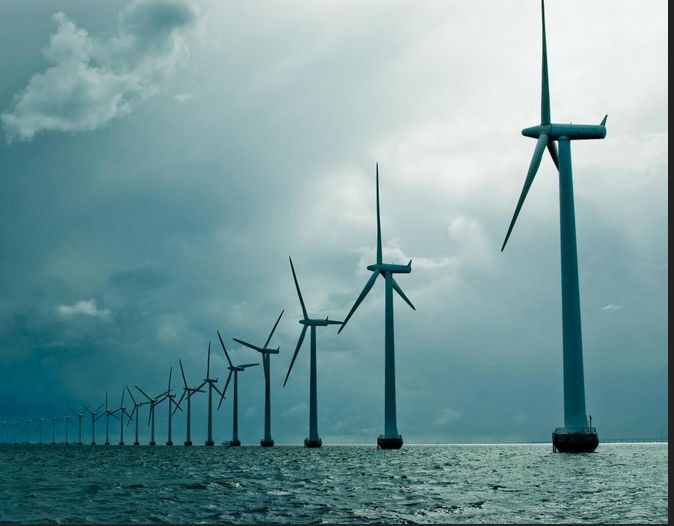
Wind power can be deployed at various scales—from small residential turbines that provide electricity to a single home or farm, to massive offshore wind farms supplying energy to entire cities. This flexibility makes wind energy a suitable option for diverse geographical and socioeconomic contexts. It can complement other energy sources in hybrid systems and contribute to decentralized, off-grid energy solutions in remote regions.
8. It Promotes Technological Innovation
The rapid growth of wind energy has spurred significant technological advancements in turbine design, materials, and efficiency. Modern turbines are larger, more efficient, and capable of generating power even at lower wind speeds. Innovations such as floating wind farms and artificial intelligence for predictive maintenance are expanding the frontiers of what wind energy can achieve. This culture of innovation also spills over into other sectors, fostering a broader clean tech ecosystem.
9. Wind Power Contributes to Energy Security
Energy security is a major concern for nations worldwide. Wind energy enhances energy security by diversifying the energy mix and reducing exposure to the risks associated with imported fossil fuels. A balanced portfolio that includes wind reduces the impact of supply chain disruptions and price spikes, ensuring a more stable and secure energy future.
10. It Helps Meet Global Climate Goals
Wind energy plays a crucial role in helping countries meet their climate commitments under agreements such as the Paris Accord. By transitioning to wind and other renewable sources, nations can achieve their carbon reduction targets, limit global warming, and protect future generations from the devastating impacts of climate change. Large-scale adoption of wind energy is essential to achieving a net-zero carbon world by mid-century.
Conclusion
The benefits of wind energy are far-reaching, touching on everything from environmental sustainability and economic development to energy security and technological progress. As global awareness grows and the urgency of climate action intensifies, wind energy offers a practical and powerful solution. With its clean, renewable, and abundant nature, wind power stands out as one of the most effective tools we have for building a sustainable and resilient energy future. Investing in and supporting wind energy is not only a smart environmental decision but a critical step toward a more equitable and livable planet for all.