As the world shifts toward cleaner, greener energy sources, wind and solar power have emerged as two of the most popular renewable energy options. Both technologies offer significant environmental and economic benefits and are instrumental in reducing our dependence on fossil fuels. However, the question that often arises is: Which is better—wind energy or solar energy? The answer depends largely on your geographic location, energy needs, and specific site conditions. In this article, we will compare wind and solar energy across various factors to help you determine which renewable option is best suited for your location.
Understanding the Basics
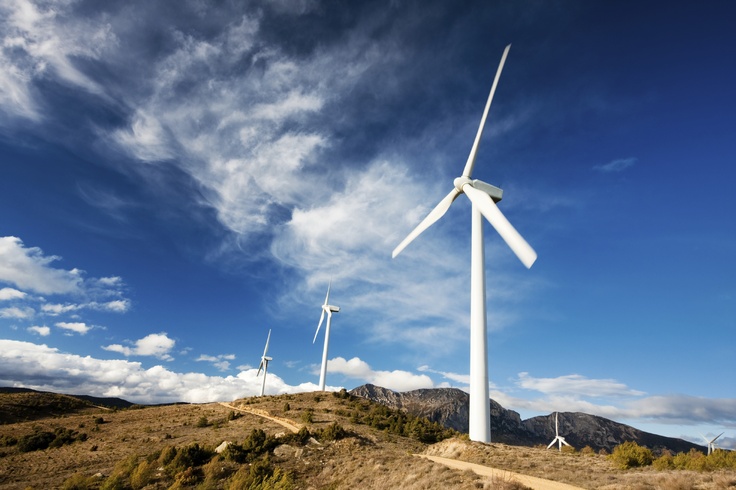
Wind Energy is generated using wind turbines that convert the kinetic energy of moving air into electricity. This energy source is most effective in regions with strong and consistent wind speeds.
Solar Energy is produced through photovoltaic (PV) panels or solar thermal systems that capture sunlight and convert it into usable electricity or heat. Solar panels are widely used for both residential and commercial applications and are known for their silent operation and ease of installation.
1. Geographic Suitability
One of the most critical factors in choosing between wind and solar energy is your geographic location.
-
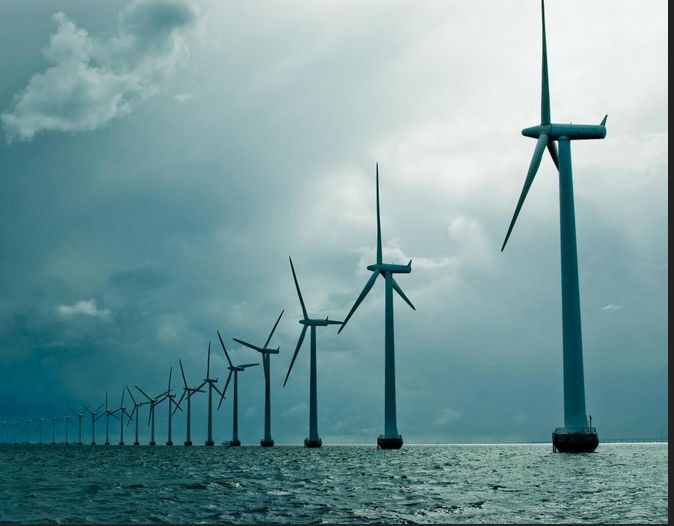
Wind Energy: Ideal for coastal areas, open plains, hilltops, and regions with consistent wind speeds of at least 5 meters per second. Offshore locations tend to have the highest wind potential.
-
Solar Energy: Best suited for areas with high solar irradiance (sunlight exposure), typically found in tropical and subtropical regions, deserts, and places with clear skies for most of the year.
Winner: It depends on the region. Wind is superior in windy coastal and hilly areas; solar excels in sunny, dry regions.
2. Space Requirements
-
Wind Turbines: Require more land due to the need for proper spacing between turbines to prevent wind shadow effects. However, land beneath turbines can often still be used for agriculture or grazing.
-
Solar Panels: Can be installed on rooftops, parking lots, or ground-mounted on unused land. This makes them a great option for urban and suburban settings where space is limited.
Winner: Solar energy has an advantage in space-constrained environments.
3. Installation and Maintenance Costs
-
Wind Energy: High initial costs due to turbine size, tower construction, and complex installation processes. Maintenance can also be expensive due to moving parts and turbine height.
-
Solar Energy: Lower upfront costs for residential systems, and maintenance is generally minimal. Solar panels have no moving parts, which contributes to a longer lifespan and lower maintenance costs.
Winner: Solar energy is more cost-effective for small-scale and residential applications.
4. Energy Output and Efficiency
-
Wind Turbines: Can generate power day and night as long as wind conditions are favorable. In high-wind areas, turbines can outperform solar panels in total energy production.
-
Solar Panels: Only generate power during daylight hours and are less efficient during cloudy weather or in shaded areas. However, energy storage systems like batteries can help bridge the gap during non-sunny hours.
Winner: Wind energy can produce more electricity under ideal wind conditions, while solar is more predictable in sunny areas.
5. Environmental Impact
Both wind and solar energy are clean alternatives to fossil fuels, but they have different environmental footprints.
-
Wind Energy: May pose threats to birds and bats, and can cause noise pollution if installed near residential areas. However, the overall land impact is low.
-
Solar Energy: Has minimal impact on wildlife and is virtually silent. Large-scale solar farms, however, may affect land use and biodiversity if not properly planned.
Winner: Solar energy has a slightly lower environmental footprint in most cases.
6. Grid Integration and Energy Storage
-
Wind Energy: Intermittent and variable, which can pose challenges for grid integration. Output often peaks at night, which may not align with peak energy demand.
-
Solar Energy: Also intermittent, but more predictable. Daytime generation aligns well with peak electricity usage, especially for cooling and appliances.
Winner: Solar energy offers better alignment with peak usage patterns, but both require storage solutions like batteries to ensure a consistent power supply.
7. Resilience and Off-Grid Applications
-
Wind Systems: More suitable for large-scale grid-connected systems. Off-grid wind systems are possible but less common due to complexity and maintenance needs.
-
Solar Systems: Highly adaptable for off-grid applications. Ideal for rural electrification, emergency backup power, and mobile setups like RVs or remote cabins.
Winner: Solar energy is more versatile and reliable for off-grid and mobile uses.
8. Aesthetic and Noise Considerations
-
Wind Turbines: Large and visually prominent; may not be suitable for residential areas. They also generate mechanical noise, which can be a nuisance.
-
Solar Panels: Discreet and often integrated into rooftops or facades. Operate silently and require less visual space.
Winner: Solar energy wins on aesthetics and noise.
9. Lifespan and Durability
-
Wind Turbines: Typically last 20–25 years with proper maintenance, but have many mechanical components prone to wear and tear.
-
Solar Panels: Can last 25–30 years or more with minimal degradation in efficiency and require very little upkeep.
Winner: Solar panels have a longer, more stable lifespan in most conditions.
10. Return on Investment (ROI)
-
Wind Energy: High potential ROI for utility-scale projects in ideal locations. It may not be as attractive for small-scale users due to higher installation and maintenance costs.
-
Solar Energy: Excellent ROI for residential and small-business users, especially with government incentives, net metering, and declining panel prices.
Winner: Solar energy offers quicker ROI for individual and small-scale users.
Conclusion: Which Is Better for You?
There’s no one-size-fits-all answer when choosing between wind and solar energy. The best choice depends on a variety of factors, including:
-
Local wind and solar resource availability
-
Space and budget constraints
-
Energy demand and usage patterns
-
Grid access and storage options
-
Environmental or regulatory concerns
In many cases, the best solution may be a hybrid system that combines both wind energy and solar to provide a more stable and consistent energy supply. As renewable technologies continue to improve and become more affordable, integrating multiple sources may offer the most resilient and sustainable energy future.