Climate change is among the most urgent challenges of our time, driven primarily by the massive release of greenhouse gases, especially carbon dioxide (CO₂), from burning fossil fuels for energy. As the global community rallies to slow down global warming, renewable energy sources have taken center stage. Among them, wind energy has become a powerful ally in the fight to reduce carbon emissions. This article explores the global impact of wind energy on carbon emissions, highlighting its contributions to environmental sustainability, climate goals, and energy transformation.
The Carbon Problem
Fossil fuels like coal, oil, and natural gas have been the primary sources of energy for more than a century. However, their combustion releases large volumes of CO₂, a greenhouse gas that traps heat in the Earth’s atmosphere and drives climate change. According to the Intergovernmental Panel on Climate Change (IPCC), reducing global carbon emissions is critical to keeping global temperature increases below 1.5°C, beyond which catastrophic environmental and economic impacts become likely.
To achieve these climate targets, we must replace carbon-intensive energy systems with low-carbon or carbon-free alternatives—and that’s where wind energy comes in.
How Wind Energy Reduces Carbon Emissions
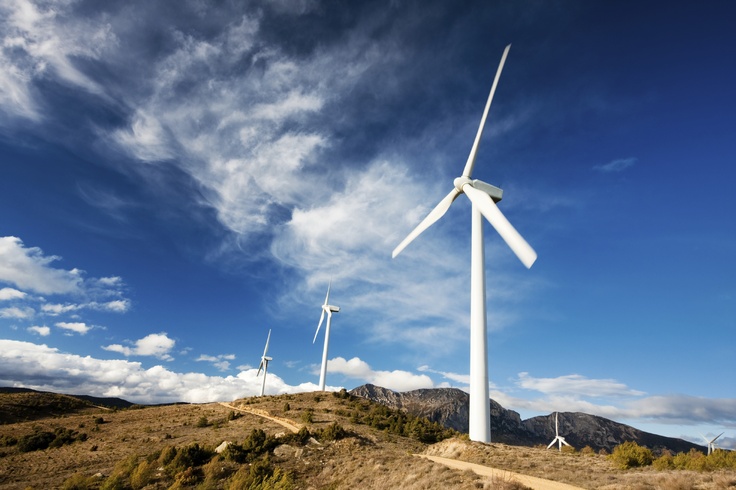
Wind energy generates electricity by harnessing the kinetic energy of moving air. It involves no combustion and therefore produces zero carbon emissions during operation. The only emissions associated with wind power come from the manufacturing, transportation, and installation of turbines, but these are minimal compared to the emissions from fossil fuel plants.
On average, a single 2-megawatt wind turbine can offset approximately 2,600 tons of carbon dioxide per year—the equivalent of planting over 40,000 trees or removing more than 500 cars from the road annually.
Global Deployment and Emission Reduction
Wind energy is now a significant part of the global energy mix. According to the Global Wind Energy Council (GWEC), by the end of 2024, global wind power capacity will have surpassed 1,000 gigawatts (GW), avoiding over 1.2 billion tons of CO₂ annually. That’s equivalent to the total annual emissions of major industrialized countries.
Let’s take a closer look at how key regions are using wind energy to slash emissions:
Europe
Europe is a global leader in wind energy, with countries like Germany, Spain, Denmark, and the UK heavily investing in both onshore and offshore wind farms. The European Union has set ambitious climate goals to become carbon-neutral by 2050, and wind energy plays a central role in its roadmap. In 2023 alone, wind energy helped avoid over 380 million tons of CO₂ across the continent.
China
China is the world’s largest producer of wind energy, accounting for over 40% of global installed capacity. Wind farms in China have helped reduce the country’s dependence on coal, contributing to its goal of peaking carbon emissions before 2030 and achieving carbon neutrality by 2060.
United States
The U.S. ranks second globally in installed wind capacity. In 2023, wind energy generated over 10% of the country’s electricity and helped avoid more than 250 million metric tons of CO₂. The expansion of wind energy, particularly in states like Texas, Iowa, and Oklahoma, has been critical to reducing emissions from the electricity sector.
Offshore Wind and Deep Decarbonization
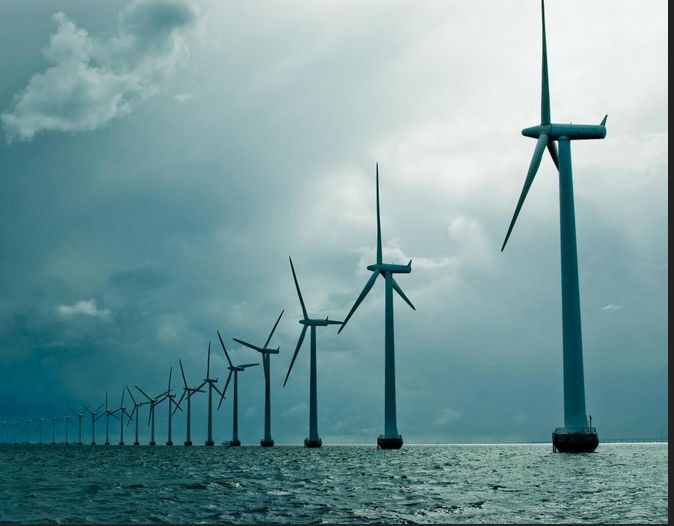
Offshore wind farms, located in seas and oceans where wind speeds are stronger and more consistent, are emerging as a transformative force in renewable energy. Projects like the UK’s Dogger Bank Wind Farm and China’s coastal arrays represent major advances in emission-free electricity generation.
Offshore wind has the potential to deliver massive amounts of low-carbon energy, particularly for densely populated coastal regions. With further investment and innovation, offshore wind could become one of the cornerstones of global decarbonization.
Wind Energy vs. Fossil Fuels: Emissions Comparison
To better understand wind energy’s climate benefits, it’s helpful to compare its carbon intensity (emissions per kilowatt-hour) with fossil fuel sources:
| Energy Source | CO₂ Emissions (g/kWh) |
|---|---|
| Coal | 820 |
| Natural Gas | 450 |
| Wind Energy | 12 |
| Solar Energy | 48 |
| Nuclear Energy | 12 |
As shown, wind energy emits almost 70 times less CO₂ than coal and nearly 40 times less than natural gas over its entire lifecycle.
Role in National Climate Commitments
Under the Paris Agreement, nearly every nation has committed to reducing carbon emissions through their Nationally Determined Contributions (NDCs). Wind energy is a key component of these pledges, helping countries meet their targets by replacing polluting power plants and increasing the share of renewables in their energy mix.
For example:
-
Kenya’s Lake Turkana Wind Power Project is the largest in Africa and helps reduce the country’s carbon emissions by over 700,000 tons annually.
-
India is expanding wind capacity as part of its goal to achieve 500 GW of non-fossil fuel capacity by 2030.
Challenges to Scaling Wind for Carbon Reduction
Despite its success, scaling wind energy faces some challenges:
-
Intermittency: Wind doesn’t blow consistently, which can make the energy supply variable. This is being addressed with battery storage and hybrid systems.
-
Grid integration: Integrating large amounts of wind power requires modernization of energy grids.
-
Investment gaps: Developing countries often need financial and technical support to fully tap into their wind potential.
Overcoming these barriers is essential to maximizing wind’s role in global emissions reduction.
Future Outlook: Wind Energy and Net-Zero Goals
Wind energy will be indispensable to achieving net-zero emissions by 2050, a target that scientists say is necessary to prevent the worst effects of climate change. According to the International Energy Agency (IEA), global wind capacity must triple by 2030 and grow sixfold by 2050 to meet the energy needs of a decarbonized world.
Technological advancements, including floating wind turbines, AI-driven optimization, and next-generation materials, are making wind energy more efficient, affordable, and scalable. These developments will further reduce its carbon footprint and enhance its competitiveness against fossil fuels.
Conclusion
Wind energy has already made a substantial contribution to reducing global carbon emissions, and its role will only grow in the coming decades. With zero emissions during operation, a fast-growing global footprint, and alignment with international climate goals, wind power is a cornerstone of the world’s transition to clean energy. Every turbine installed brings us closer to a low-carbon future and helps preserve the planet for future generations. Investing in wind energy isn’t just smart—it’s essential.