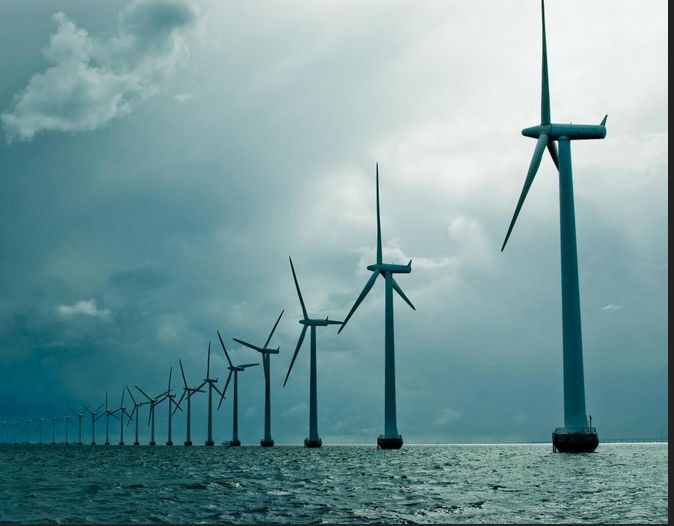
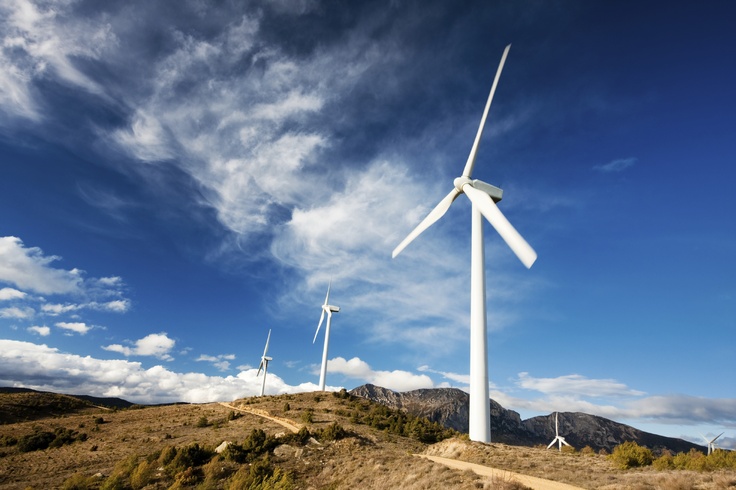
As the world accelerates its transition to clean energy, wind power continues to be one of the most promising and rapidly growing renewable energy sources. Within this sector, wind power is generally categorized into two types: onshore (land-based) and offshore (sea-based) wind energy. While both harness the power of the wind to generate electricity, they differ significantly in design, location, cost, environmental impact, and scalability. This article delves into the pros and cons of offshore and onshore wind energy and explores the future trends that are shaping their growth and impact globally.
What is Onshore Wind Energy?
Onshore wind energy involves wind turbines installed on land, often in open fields, hills, or plains where wind speeds are sufficient. These are the most common and widespread type of wind installations worldwide. Countries like the United States, China, and Germany have vast networks of onshore wind farms powering millions of homes and businesses.
What is Offshore Wind Energy?
Offshore wind energy refers to wind turbines located in oceans or large lakes, usually several kilometers from the shoreline. These installations are typically larger and benefit from stronger, more consistent winds compared to their onshore counterparts. Countries with significant coastlines, such as the UK, Denmark, and China, are leading the development of offshore wind farms.
Advantages of Onshore Wind Energy
-
Lower Installation Costs
-
Onshore wind turbines are generally cheaper to install due to easier access to sites and simpler logistical requirements. No specialized marine equipment is needed, which lowers construction and maintenance costs.
-
-
Easier Maintenance
-
Technicians can access onshore turbines more easily for regular inspections and repairs, reducing downtime and operational expenses.
-
-
Shorter Development Time
-
Onshore wind projects typically have faster permitting, development, and commissioning processes than offshore ones, allowing quicker returns on investment.
-
-
Established Technology
-
Onshore wind technology is well-proven, with a global supply chain and abundant experience in turbine design, siting, and integration.
-
Disadvantages of Onshore Wind Energy
-
Land Use Conflicts
-
Onshore turbines compete with other land uses such as agriculture, housing, and wildlife habitats, sometimes leading to disputes with communities.
-
-
Visual and Noise Impact
-
Residents often raise concerns about the visual presence of turbines and the low-level noise they emit, especially in densely populated areas.
-
-
Lower and Less Consistent Wind Speeds
-
Onshore wind speeds can be lower and more variable than offshore, leading to less efficient and more intermittent power generation.
-
Advantages of Offshore Wind Energy
-
Stronger and More Consistent Winds
-
Offshore locations benefit from higher wind speeds and fewer obstacles, resulting in greater energy generation and more stable output.
-
-
Larger Turbine Sizes
-
Offshore turbines are typically much larger than onshore ones, enabling them to generate significantly more electricity per unit.
-
-
Less Land Use Conflict
-
Offshore wind farms avoid land use disputes and NIMBY (Not In My Backyard) opposition, as they are located far from residential areas.
-
-
Minimal Visual and Noise Pollution
-
Being located out at sea, offshore turbines are barely visible or audible from land, reducing concerns related to aesthetics and noise.
-
Disadvantages of Offshore Wind Energy
-
High Installation and Maintenance Costs
-
Building at sea requires specialized ships, foundations, and underwater cables, making offshore wind significantly more expensive than onshore.
-
-
Challenging Weather and Accessibility
-
Harsh marine environments and limited accessibility increase maintenance complexity and cost, especially during storms or rough seas.
-
-
Environmental Concerns
-
Offshore wind farms may affect marine ecosystems, disrupt fish habitats, and interfere with shipping lanes and bird migration routes.
-
-
Longer Development Timelines
-
Due to regulatory complexity and environmental impact assessments, offshore wind projects often take longer to plan and execute.
-
Cost Comparison
| Parameter | Onshore Wind | Offshore Wind |
|---|---|---|
| Installation Cost | Lower | Higher |
| Operation & Maintenance | Lower | Higher |
| Capacity Factor | ~30–45% | ~40–60% |
| Lifespan | 20–25 years | 20–25 years |
While offshore wind energy can deliver more electricity, it currently comes at a higher cost. However, technology and scale are driving these costs down rapidly.
Future Trends in Onshore and Offshore Wind Energy
1. Technological Innovation
-
Both sectors are benefiting from advances in turbine design, including longer blades, lighter materials, and smart sensors for predictive maintenance.
-
In offshore areas, floating turbines are revolutionizing access to deep-water areas previously unsuitable for wind farms.
2. Hybrid Renewable Systems
-
Wind farms are increasingly being integrated with solar panels, battery storage, and hydrogen production to create more reliable and flexible renewable energy systems.
3. Digitalization and AI
-
Artificial intelligence is being used for wind forecasting, turbine performance optimization, and real-time maintenance, reducing costs and increasing efficiency.
4. Expansion to New Markets
-
Emerging economies with vast wind resources, such as Brazil, South Africa, India, and Kenya, are expanding their investments in both onshore and offshore wind to diversify energy sources and reduce emissions.
5. Government Support and Policies
-
Global policy frameworks and climate commitments are driving wind energy deployment through subsidies, feed-in tariffs, and renewable energy mandates.
Which One is Better for Your Country or Region?
The ideal choice between offshore and onshore wind energy depends on various factors:
-
Geography: Coastal countries with strong marine winds benefit from offshore wind; landlocked regions favor onshore.
-
Economics: Onshore is more cost-effective in the short term; offshore is ideal for large-scale utility projects despite higher costs.
-
Environmental Sensitivity: Offshore may reduce land-use impact, but must be designed carefully to avoid damaging marine ecosystems.
-
Energy Demand: Areas with high demand and space constraints may favor offshore supply to supply larger quantities of energy.
In many cases, a combined approach is the best solution, developing both offshore and onshore wind projects to create a diverse and resilient renewable energy portfolio.
Conclusion
Both onshore and offshore wind energy are essential components of the global renewable energy mix. Each has unique strengths and limitations, but together they represent a powerful tool in combating climate change, reducing carbon emissions, and achieving energy security. With continued investment, innovation, and supportive policies, wind energy—whether on land or at sea—will continue to play a pivotal role in the clean energy transition. Choosing the right approach depends on your specific energy goals, geographic realities, and economic considerations.