Geotechnical drilling is crucial for gathering subsurface information to assess soil and rock properties for engineering and construction projects. Here’s a general outline of the process involved in geotechnical drilling:
- Project Planning and Site Investigation:
- Project Goals: Define the objectives of the geotechnical investigation, such as soil composition, strength, and stability.
- Site Selection: Identify and select specific locations for drilling based on project requirements and site accessibility.
- Initial Site Survey and Preparation:
- Desk Study: Review existing geological and geotechnical data to inform site investigation plans.
- Field Reconnaissance: Conduct a preliminary site visit to assess surface conditions and potential drilling challenges.
- Drilling Equipment and Setup:
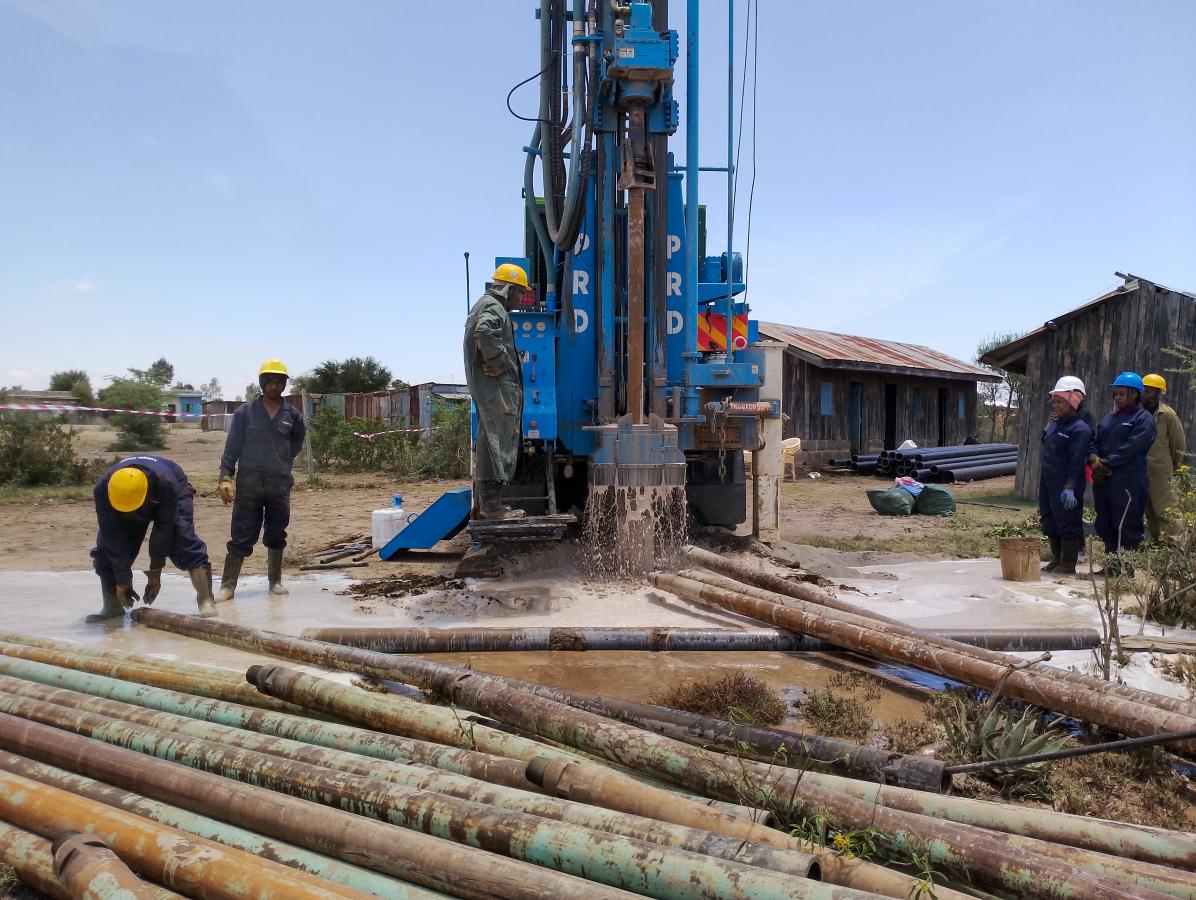
- Choice of Rig: Select drilling equipment appropriate for the site conditions, such as truck-mounted rigs, track-mounted rigs, or portable rigs.
- Equipment Mobilization: Transport drilling rigs and necessary tools to the site and set up according to safety and operational protocols.
- Drilling Operations:
- Drilling Techniques: Employ methods such as rotary drilling, auger drilling, or percussion drilling depending on soil types and project requirements.
- Depth and Sampling: Drill to specified depths to obtain soil and rock samples at intervals using core barrels, split spoon samplers, or continuous sampling methods.
- Sampling and Testing:
- Sample Collection: Retrieve samples of soil and rock during drilling operations for laboratory testing and analysis.
- In-Situ Testing: Conduct tests on-site to measure parameters such as soil density, permeability, and strength.
- Data Interpretation and Reporting:
- Laboratory Analysis: Send collected samples to laboratories for detailed analysis of properties such as grain size distribution, moisture content, and shear strength.
- Report Preparation: Compile findings into a geotechnical report detailing subsurface conditions, recommendations for foundation design, and potential risks or challenges.
- Monitoring and Quality Assurance:
- Quality Control: Ensure accuracy and reliability of data collected through systematic monitoring and adherence to standardized procedures.
- Review and Verification: Verify findings and interpretations through peer review or independent assessment.
- Post-Drilling Activities:
- Cleanup and Restoration: Remove drilling equipment and restore the site to its original condition or as required by regulatory guidelines.
- Documentation: Maintain detailed records of drilling logs, laboratory test results, and final geotechnical reports for future reference.
Geotechnical drilling is essential for providing engineers and planners with critical information needed to design foundations, assess slope stability, evaluate groundwater conditions, and ensure the overall safety and feasibility of construction projects.