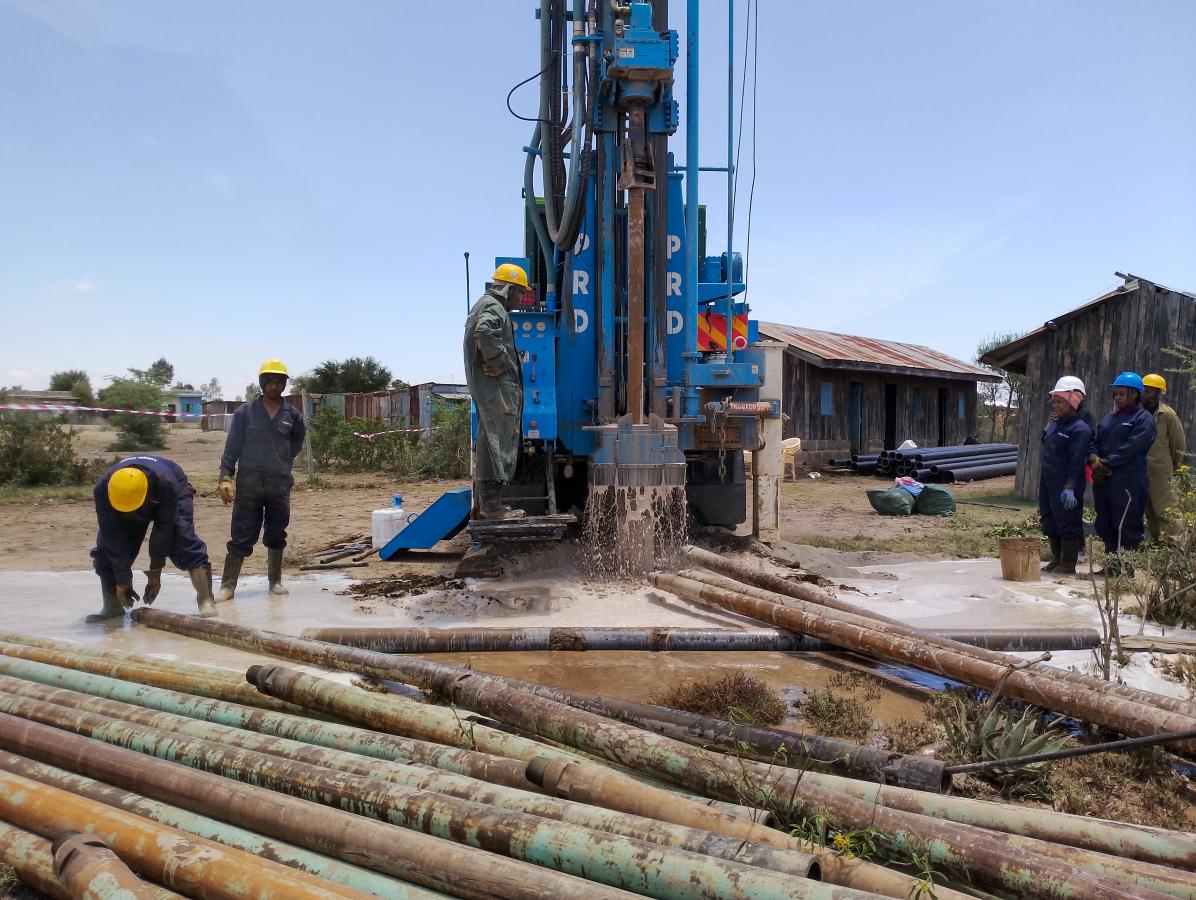
Drilling a water well involves several key steps to ensure a successful and safe operation. Here’s an overview of the process:
- Planning and Permits:
- Site Selection: Choose a location based on geology, water availability, and legal considerations.
- Permits: Obtain necessary permits and permissions from local authorities.
- Preparation:
- Surveying: Determine the best drilling location through surveys and geological studies.
- Equipment Setup: Bring in drilling rigs, support vehicles, and necessary equipment.
- Drilling:
- Initial Hole: Begin drilling a narrow pilot hole using a rotary or percussion drilling rig.
- Casing Installation: As drilling progresses, install casing (metal or PVC pipes) to prevent collapse and contamination of the well.
- Well Development:
- Flushing: Flush out the well to remove debris and sediment.
- Pumping Tests: Conduct tests to determine the yield and sustainability of the water source.
- Completion:
- Wellhead Installation: Install a wellhead with a sanitary seal to prevent contamination.
- Pump Installation: Install a submersible or above-ground pump depending on well depth and water requirements.
- Testing and Quality Assurance:
- Water Quality Testing: Sample and test water for contaminants and quality parameters.
- Flow Rate Testing: Measure the flow rate to ensure it meets demand.
- Documentation and Maintenance:
- Documentation: Keep records of drilling logs, construction details, and test results.
- Maintenance Plan: Develop a plan for regular maintenance and potential future repairs.
- Regulatory Compliance:
- Final Inspections: Ensure compliance with local regulations and obtain final approvals.
Each step requires careful planning, expertise in drilling techniques, and adherence to safety and environmental regulations to ensure the well is constructed effectively and efficiently.