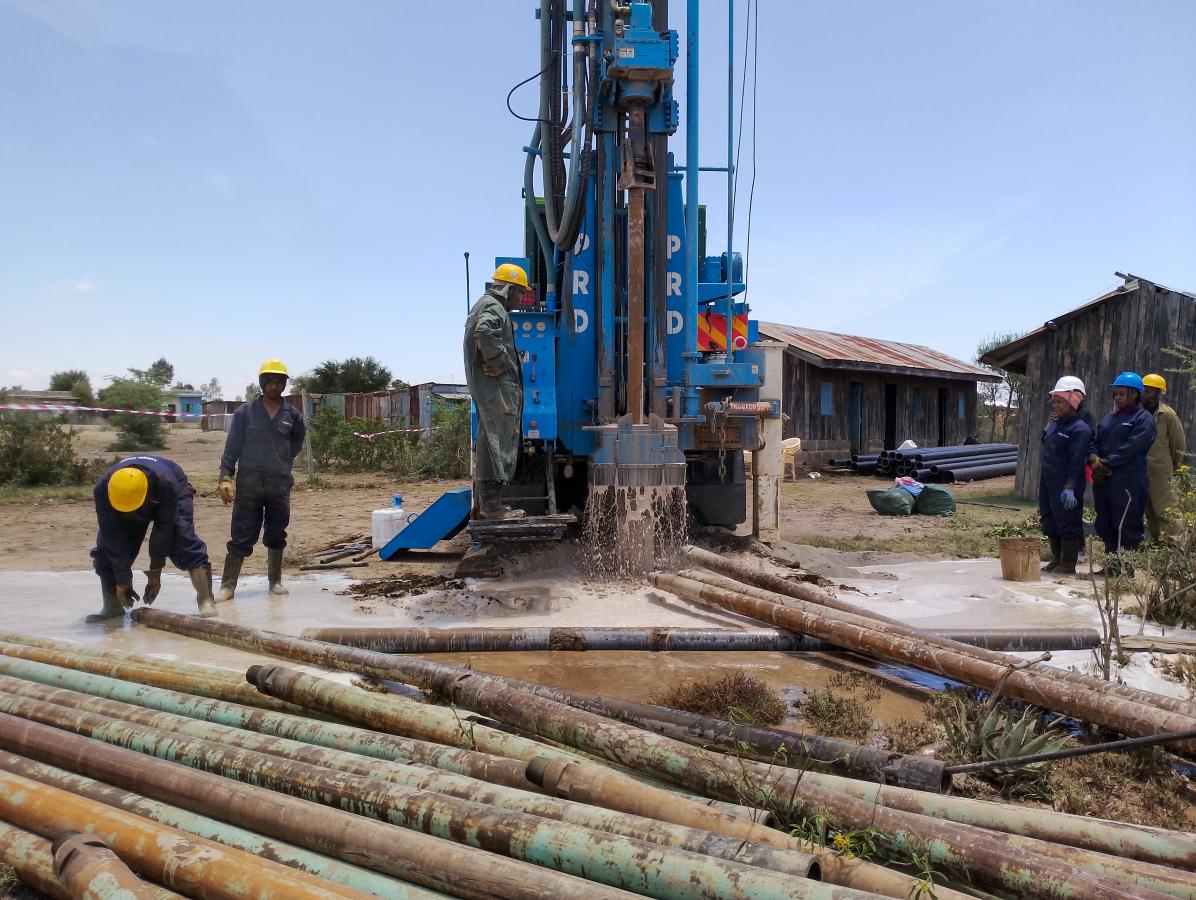
A borehole camera is a valuable tool used in various applications to inspect and diagnose issues within boreholes, wells, and other subsurface environments. Here are some of the primary uses of a borehole camera:
- Condition Assessment
- Casing Inspection:
- Identify corrosion, cracks, and other damage to the borehole casing.
- Detect any deformation or displacement in the casing that could affect structural integrity.
- Screen Condition:
- Check the condition of well screens for clogging, damage, or biofouling.
- Assess the effectiveness of screens in filtering particulates.
- Structural Integrity:
- Detect structural problems such as fractures, voids, or collapses within the borehole.
- Identify signs of borehole instability that could lead to future failures.
- Problem Diagnosis
- Clogging and Obstructions:
- Locate and identify the cause of blockages or reduced flow in the borehole.
- Determine the extent and nature of obstructions to plan appropriate cleaning or rehabilitation methods.
- Biofouling:
- Detect biological growth, such as algae or bacteria, that can clog the borehole or affect water quality.
- Assess the extent of biofouling and plan for cleaning and disinfection.
- Sand Ingress:
- Identify entry points of sand or sediment into the borehole, which can reduce water quality and yield.
- Determine the source of sand ingress to address the issue effectively.
- Water Quality Monitoring
- Contamination Sources:
- Visually identify potential sources of contamination within the borehole.
- Detect breaches in the casing or annulus that may allow contaminants to enter the borehole.
- Aquifer Zones:
- Observe different aquifer zones and their characteristics, including water flow patterns and stratification.
- Assess the quality and condition of water-producing zones.
- Maintenance and Rehabilitation Planning
- Pre-Rehabilitation Inspection:
- Conduct a thorough inspection before rehabilitation work to identify specific issues and plan targeted interventions.
- Assess the overall condition of the borehole to prioritize rehabilitation efforts.
- Post-Rehabilitation Verification:
- Inspect the borehole after rehabilitation work to verify the effectiveness of cleaning, repairs, or upgrades.
- Ensure that all identified issues have been addressed and the borehole is functioning optimally.
- Resource Management
- Sustainable Yield Assessment:
- Monitor the condition and performance of boreholes to manage groundwater resources sustainably.
- Assess changes in borehole performance over time to guide management decisions.
- Regulatory Compliance:
- Ensure that boreholes meet regulatory standards and guidelines by conducting regular inspections.
- Provide documentation and visual evidence to regulatory bodies as part of compliance reporting.
- Geological and Hydrogeological Studies
- Subsurface Characterization:
- Use borehole cameras to collect visual data for geological and hydrogeological studies.
- Observe rock formations, fracture patterns, and sediment layers within the borehole.
- Data Collection for Research:
- Gather high-resolution visual data for research on subsurface environments, groundwater flow, and aquifer characteristics.
- Support academic and scientific studies with detailed borehole imagery.
- Well Construction Quality Control
- Inspection During Construction:
- Inspect boreholes during construction to ensure proper installation of casing, screens, and other components.
- Verify that construction materials and methods meet design specifications.
- Quality Assurance:
- Conduct quality assurance inspections to identify and address any construction defects or issues.
- Ensure that the completed borehole meets all required standards and specifications.
Conclusion
A borehole camera is an essential tool for a wide range of applications in groundwater management, well maintenance, and geological studies. Its ability to provide detailed visual data allows for accurate diagnosis, effective maintenance, and informed decision-making, ultimately enhancing the efficiency and sustainability of borehole and well operations.