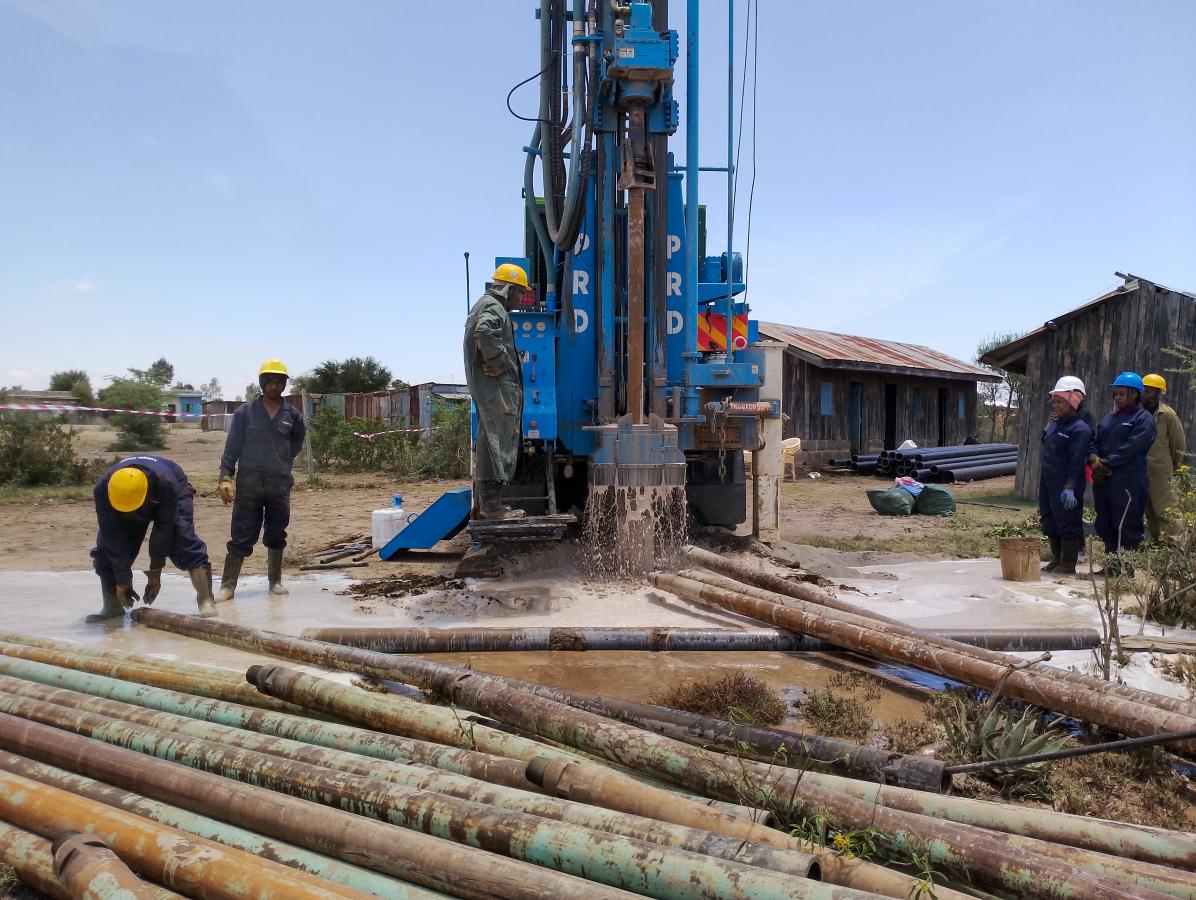
Geologists play a crucial role in the borehole industry, contributing their expertise in earth sciences to various aspects of drilling projects. Their involvement spans from initial site assessment to post-drilling analysis and ongoing monitoring. Here are the key roles and contributions of geologists in the borehole industry:
- Site Assessment and Selection:
- Geological Surveys: Conduct detailed geological surveys to understand subsurface conditions, including rock types, stratigraphy, and structural features.
- Hydrogeological Studies: Assess groundwater potential, aquifer characteristics, and water quality to determine the suitability of sites for drilling.
- Drilling Planning and Design:
- Well Design: Provide input into well design parameters based on geological data, such as well depth, casing requirements, and screen placement.
- Drilling Methodology: Select appropriate drilling techniques and equipment based on geological formations and anticipated drilling challenges (e.g., fractured rock, karst terrain).
- Risk Assessment and Mitigation:
- Geological Hazards: Identify geological hazards such as unstable formations, faults, and groundwater pressures that could affect drilling safety and operations.
- Mitigation Strategies: Develop mitigation strategies to minimize risks associated with geological hazards, ensuring safe and efficient drilling operations.
- Core Logging and Sampling:
- Core Analysis: Log and analyze core samples obtained during drilling to characterize lithology, mineral composition, and physical properties of subsurface formations.
- Interpretation: Interpret geological data to understand subsurface conditions, stratigraphic sequences, and potential aquifer productivity.
- Hydrogeological Modeling and Analysis:
- Groundwater Modeling: Use hydrogeological models to simulate groundwater flow, recharge rates, and contaminant transport in aquifers, informing well placement and management strategies.
- Aquifer Testing: Design and interpret aquifer tests (e.g., pumping tests, slug tests) to evaluate hydraulic properties and sustainable yield of aquifers.
- Environmental Impact Assessment (EIA):
- EIA Contributions: Provide geological input into EIAs to assess potential impacts of drilling activities on geological resources, groundwater quality, and ecosystems.
- Mitigation Recommendations: Recommend measures to minimize environmental impacts and ensure compliance with regulatory requirements.
- Monitoring and Remediation:
- Monitoring Programs: Develop and implement monitoring programs to assess post-drilling impacts on groundwater levels, water quality, and geological stability.
- Remediation Strategies: Advise on remediation strategies for groundwater contamination, well rehabilitation, and geological stabilization as needed.
- Research and Development:
- Innovation: Contribute to research and development of new drilling technologies, geological mapping techniques, and hydrogeological modeling methods to improve efficiency and sustainability in borehole drilling.
Overall, geologists play a critical role in integrating geological knowledge with engineering and environmental considerations to ensure successful and sustainable borehole drilling projects. Their expertise is essential for understanding and managing geological complexities, optimizing well performance, and safeguarding groundwater resources and ecosystems.