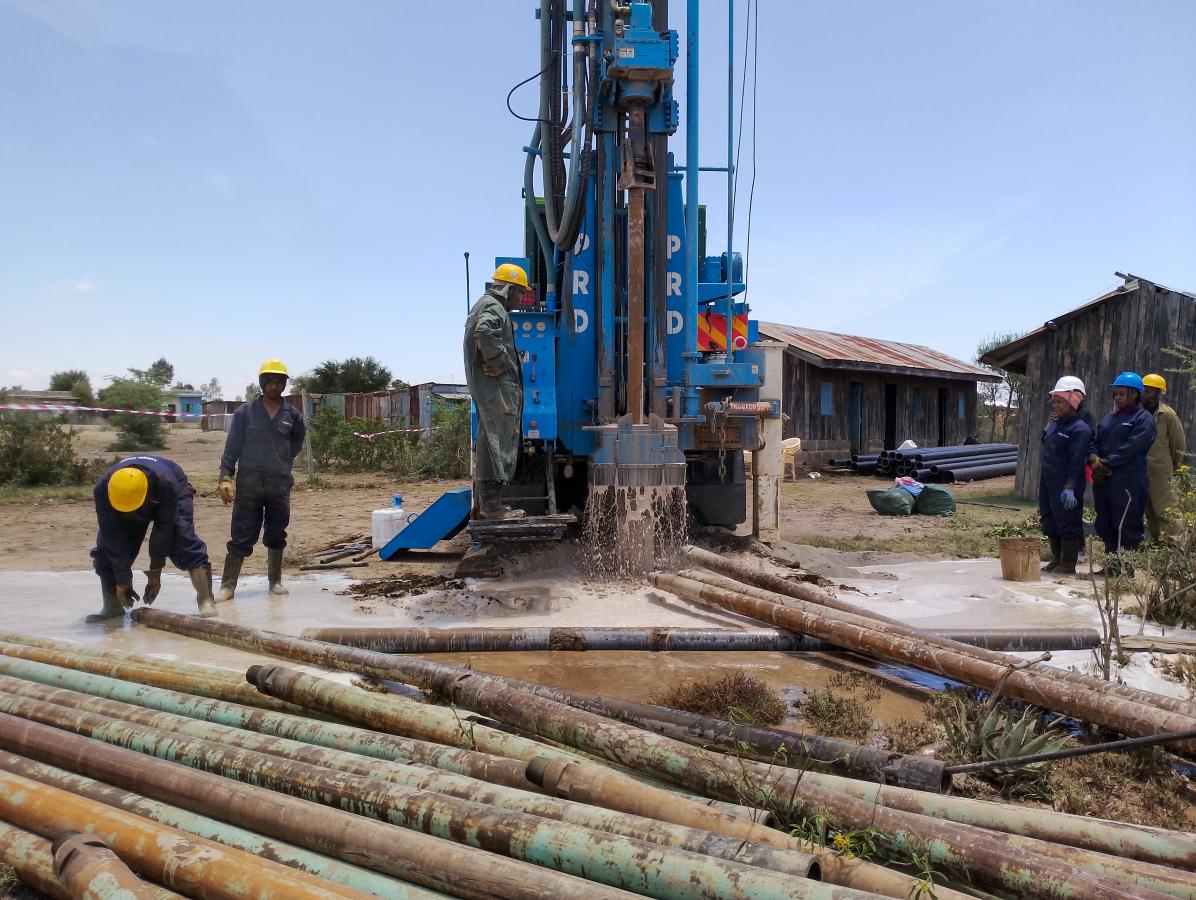
Site selection for drilling operations, whether for water wells, geotechnical investigations, or other purposes, involves considering several critical factors to ensure the success and efficiency of the project. Here are key factors to determine during site selection:
- Geological and Hydrogeological Conditions:
- Subsurface Characteristics: Assess the geological formation, including rock types, soil composition, and geological structures (faults, folds).
- Groundwater Conditions: Evaluate groundwater depth, quality, and availability to determine the feasibility of water extraction.
- Accessibility and Logistics:
- Transportation: Evaluate access roads and transportation routes for bringing in drilling equipment and materials.
- Site Accessibility: Consider the ease of maneuvering drilling rigs and support vehicles on-site.
- Environmental Considerations:
- Sensitive Areas: Identify environmentally sensitive areas such as wetlands, wildlife habitats, and protected zones that may require special permits or mitigation measures.
- Regulatory Compliance: Ensure compliance with environmental regulations regarding land use, water resources, and protected species.
- Safety and Security:
- Site Security: Assess risks related to theft, vandalism, or unauthorized access to the drilling site and equipment.
- Safety Hazards: Identify potential hazards such as unstable terrain, overhead power lines, or nearby infrastructure.
- Land Ownership and Permissions:
- Ownership: Verify land ownership and obtain necessary permissions from landowners or regulatory authorities for access and drilling activities.
- Legal Restrictions: Check zoning regulations, land use restrictions, and permits required for drilling operations.
- Infrastructure and Utilities:
- Utility Availability: Determine the availability of utilities such as electricity, water supply, and telecommunications at the drilling site.
- Infrastructure Support: Assess the need for temporary facilities (e.g., camps, storage) to support drilling operations and personnel.
- Project Objectives and Constraints:
- Technical Requirements: Align site characteristics with project objectives, such as depth requirements for wells or specific geological conditions for geological surveys.
- Budget and Schedule: Evaluate the impact of site selection on project timelines, costs, and operational efficiency.
- Community and Stakeholder Considerations:
- Community Relations: Consider community concerns, stakeholder interests, and potential impacts of drilling activities on local residents and businesses.
- Public Perception: Address public perception issues through communication and engagement with stakeholders.
By systematically evaluating these factors during site selection, project planners and engineers can identify suitable locations that minimize risks, optimize operational efficiency, and ensure compliance with regulatory requirements and environmental stewardship principles.