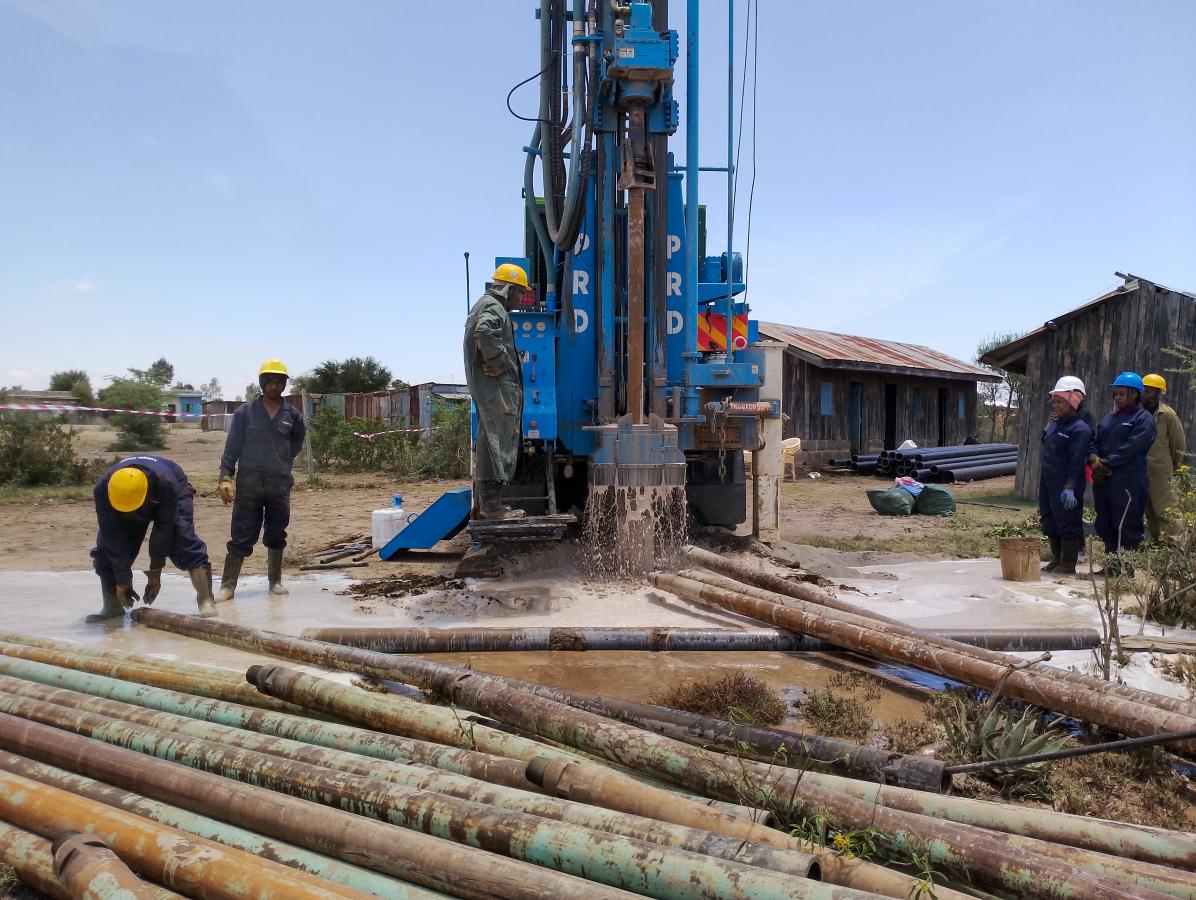
Horizontal Directional Drilling (HDD), also known as directional boring or trenchless technology, is a specialized method used to install underground pipelines, cables, and conduits without the need for traditional trench excavation. Here’s an overview of how horizontal directional drilling works and its applications:
Process of Horizontal Directional Drilling:
- Planning and Design:
- Route Selection: Determine the path of the drill from the entry point (typically at ground level) to the exit point (where the pipeline or conduit emerges).
- Site Survey: Conduct a detailed survey to identify any underground utilities, soil conditions, and potential obstacles that could affect drilling.
- Equipment Setup:
- Drilling Rig: Deploy a horizontal directional drilling rig, which includes a drill stem with a cutting tool (drill bit) at the front.
- Support Equipment: Set up support equipment such as mud mixing units, pumps, and monitoring devices.
- Drilling Operations:
- Pilot Hole: Begin drilling a small-diameter pilot hole from the entry point towards the exit point using a steerable drill bit.
- Steering Control: Control the direction and inclination of the drill bit using guidance tools and monitoring systems that provide real-time feedback on drilling progress and location.
- Hole Enlargement (Reaming):
- Reaming: Enlarge the pilot hole to the desired diameter using progressively larger reamers, which are attached behind the drill bit and pulled back through the hole.
- Mud Circulation: Circulate drilling mud (a mixture of water and additives) through the drill stem to stabilize the borehole, cool the drill bit, and carry cuttings back to the surface.
- Product Installation:
- Pullback: After achieving the desired bore diameter, pull back the product (pipeline, cable, conduit) through the drilled hole using pulling equipment attached to the drill rig.
- Guidance and Monitoring: Continuously monitor and adjust the pullback process to ensure the product is installed smoothly and without damage.
- Completion and Cleanup:
- Final Connections: Make final connections at the entry and exit points, including welding or jointing sections of pipeline.
- Site Restoration: Backfill the entry and exit points, restore surface areas, and clean up the site.
Applications of Horizontal Directional Drilling:
- Utility Installations: Installation of water, sewer, and gas pipelines.
- Telecommunications: Installation of fiber optic cables and conduits.
- Environmental Remediation: Installation of remediation wells and monitoring points.
- Crossings: Crossing under obstacles such as roads, railways, rivers, and environmentally sensitive areas.
- Urban Areas: Minimizing disruption in densely populated or congested areas where open trenching is impractical or disruptive.
Horizontal Directional Drilling offers significant advantages over traditional excavation methods, including reduced environmental impact, minimized disruption to surface activities, and cost savings in terms of labor and restoration. It requires careful planning, precise execution, and compliance with safety and regulatory standards to ensure successful project outcomes.