While the basic distinctions between wells and boreholes are clear, there are several other factors to consider:
Construction Methods
- Well: Traditional wells are often dug by hand or with simple machinery. This method is often suitable for shallow groundwater sources in areas with softer soil.
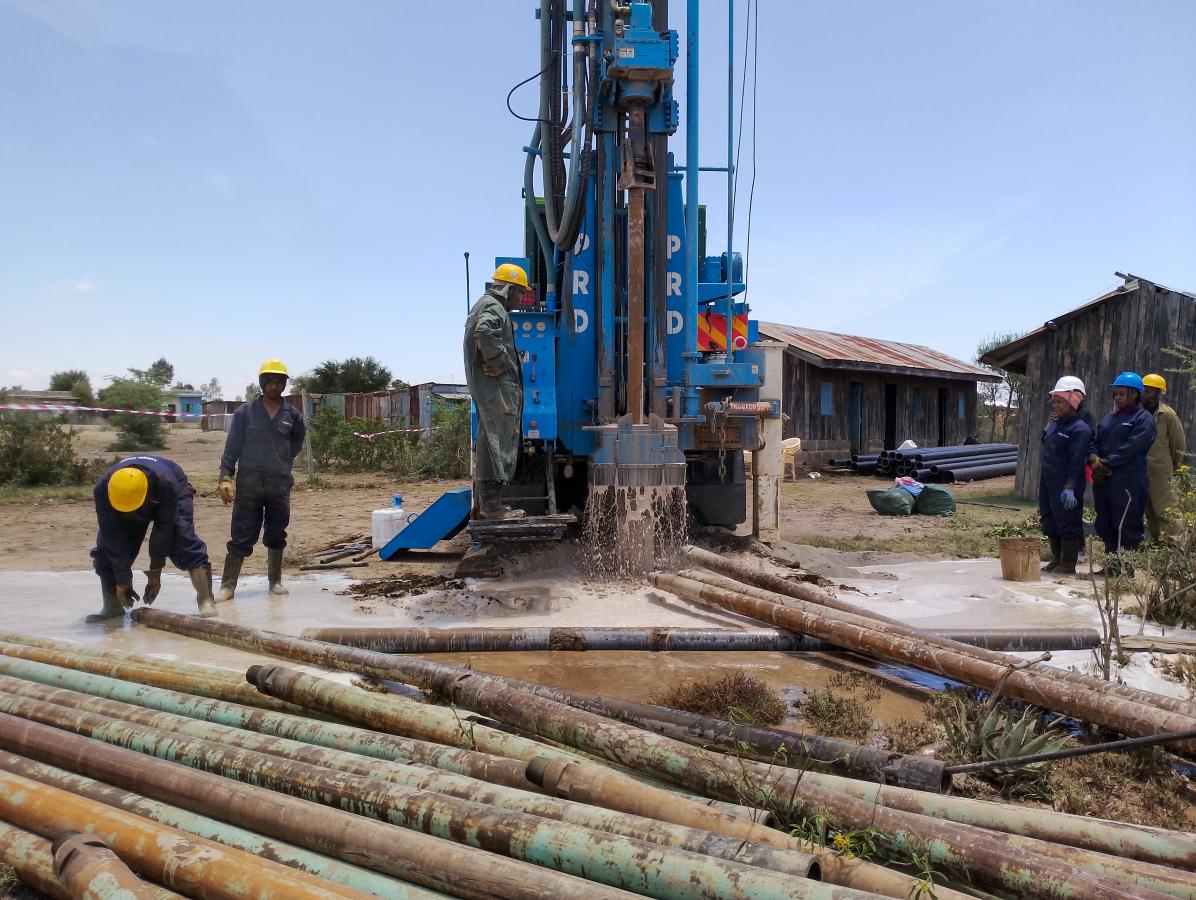
- Borehole: Boreholes are drilled using specialized equipment, such as rotary or percussion drills. This enables them to penetrate deeper into the earth, reaching aquifers at greater depths.
Purpose and Use
- Well: Wells are commonly used for small-scale domestic water supply, livestock watering, and gardening. They are often found in rural areas or in areas where groundwater is relatively shallow.
- Borehole: Boreholes are used for a wider range of purposes, including domestic water supply, industrial use, irrigation, and groundwater monitoring. They are particularly useful in areas with deep aquifers or where groundwater quality is a concern.
Water Quality
- Well: The water quality from wells can vary depending on the depth of the well, the geological formations, and the presence of contaminants. Shallow wells are more susceptible to contamination from surface runoff or septic systems.
- Borehole: Boreholes can access deeper aquifers, which are often less contaminated than shallower sources. However, the quality of the water can still be affected by factors such as mineral content, dissolved gases, or naturally occurring contaminants.
Maintenance and Costs
- Well: Wells generally require less maintenance than boreholes. Regular cleaning and disinfection may be necessary, especially if the well is shallow or located in a contaminated area.
- Borehole: Boreholes often require more maintenance, including periodic cleaning, disinfection, and testing of water quality. The initial cost of constructing a borehole is typically higher than a well due to the specialized equipment and deeper drilling involved.
Environmental Impact
- Well: Wells can have a minimal environmental impact, especially if constructed and maintained properly. However, over-extraction can lead to groundwater depletion and subsidence.
- Borehole: The environmental impact of boreholes depends on factors such as the depth of the aquifer, the rate of extraction, and the presence of sensitive ecosystems. Improper drilling or disposal of drilling waste can also have negative consequences.
In conclusion, the choice between a well and a borehole depends on various factors, including the specific needs of the user, the geological conditions of the site, and the availability of resources. By carefully considering these factors, individuals and communities can make informed decisions about their water supply and ensure sustainable use of groundwater resources.