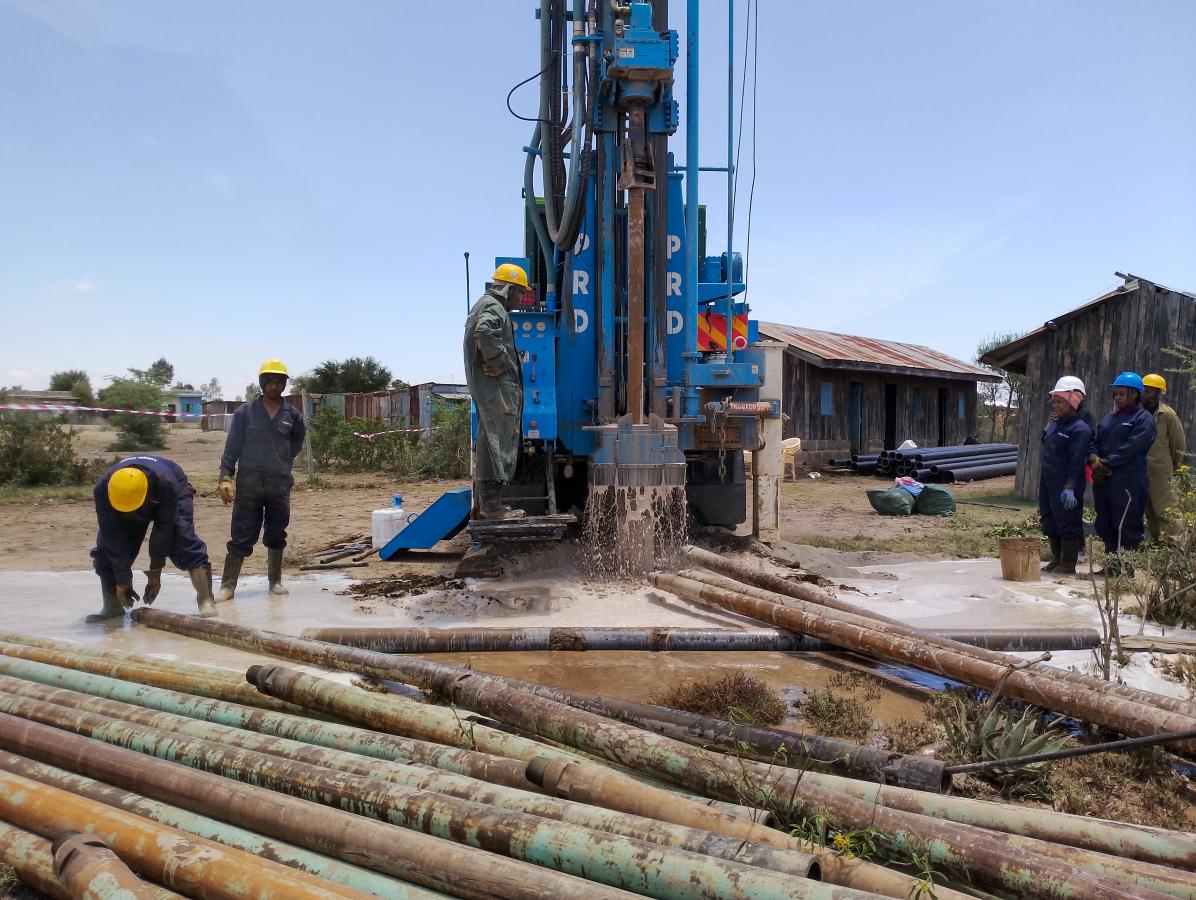
Boreholes represent a crucial aspect of modern farming techniques, particularly in regions like Kenya, where access to water can be a limiting factor in agricultural productivity. Essentially, a borehole is a narrow shaft drilled into the ground to extract water. In farming contexts, boreholes play a pivotal role in ensuring consistent water supply for irrigation, livestock, and other agricultural activities.
Borehole Installation Process
Finding Suitable Locations
Identifying appropriate sites for borehole installation involves geological surveys and assessments to determine groundwater availability and quality. Factors such as soil composition and proximity to existing water sources are crucial considerations.
Drilling Process
The drilling process requires specialized equipment and skilled personnel. Depending on the depth and geological conditions, boreholes can range from shallow wells to deep aquifers. Precision and adherence to safety protocols are paramount during drilling operations.
Equipment Needed
Various tools and machinery are employed during borehole installation, including drilling rigs, casing pipes, and pumps. Each component serves a specific function in the extraction and management of groundwater.
Benefits of Boreholes in Farming
Water Availability
Boreholes provide farmers with a reliable and continuous water supply, reducing dependency on erratic rainfall patterns. This ensures consistent moisture levels for crops, leading to improved yields and crop quality.
Cost-effectiveness
While initial investment costs for borehole installation can be substantial, the long-term benefits outweigh the expenses. By eliminating the need for expensive water trucking or reliance on communal water sources, boreholes offer significant cost savings for farmers.
Control Over Irrigation
Boreholes empower farmers with greater control over irrigation schedules and water management practices. This flexibility allows for tailored irrigation regimes based on crop requirements, soil moisture levels, and weather conditions.
Challenges and Solutions
Maintenance Requirements
Boreholes require regular maintenance to ensure optimal performance and longevity. Issues such as pump malfunctions, clogging, and corrosion necessitate proactive maintenance measures and periodic inspections.
Water Quality Issues
Contamination and salinity are common concerns associated with groundwater sources. Implementing water treatment systems and conducting periodic water quality tests are essential steps in mitigating these issues and safeguarding crop health.
Mitigation Strategies
Effective groundwater management strategies, such as aquifer recharge and conservation practices, help mitigate the depletion of underground water reserves. Additionally, promoting water-efficient irrigation techniques reduces water wastage and enhances sustainability.
Government Support and Initiatives
Subsidies for Borehole Installation
Government subsidies and incentive programs facilitate access to borehole technology for smallholder farmers, enabling them to enhance their agricultural productivity and resilience to climate variability.
Regulations and Permits
Regulatory frameworks governing borehole installation ensure adherence to environmental standards and groundwater conservation measures. Obtaining permits and complying with regulatory requirements are integral aspects of borehole development.
Training Programs for Farmers
Capacity-building initiatives and training programs educate farmers on borehole management, operation, and maintenance practices. Equipping farmers with the necessary skills and knowledge enhances the sustainability and effectiveness of borehole utilization.
Case Studies
Successful Implementation Stories
Numerous success stories across Kenya demonstrate the transformative impact of borehole technology on agricultural livelihoods. From smallholder farms to large-scale commercial operations, boreholes have facilitated increased crop yields, improved food security, and enhanced rural livelihoods.
Impact on Crop Yield and Farmer Income
Studies have shown that access to borehole irrigation significantly enhances crop yields and farmer income levels. By mitigating water scarcity risks and enabling year-round cultivation, boreholes contribute to poverty alleviation and economic development in rural communities.
Environmental Considerations
Sustainable Water Usage
Promoting sustainable water usage practices ensures the long-term viability of borehole-based irrigation systems. Implementing water-saving technologies, soil moisture monitoring, and crop water requirements optimization are essential for minimizing environmental impacts.
Impact on Local Ecosystems
Borehole abstraction can exert pressure on local aquifers and ecosystems, leading to groundwater depletion and habitat degradation. Adopting integrated water resource management approaches and ecological restoration measures mitigate adverse environmental consequences.
Future Prospects
Technological Advancements
Ongoing advancements in borehole technology, such as solar-powered pumps and remote monitoring systems, enhance efficiency, reliability, and sustainability. These innovations hold promise for optimizing water resource utilization and enhancing agricultural resilience.
Integration with Other Farming Methods
Integrating borehole irrigation with complementary farming techniques, such as agroforestry and conservation agriculture, maximizes synergies and enhances overall farm productivity. Holistic approaches to farming promote resilience to climate change and environmental sustainability.
Conclusion
Boreholes emerge as a critical enabler of agricultural development in Kenya, offering a sustainable solution to water scarcity challenges. By providing farmers with reliable access to groundwater, boreholes enhance productivity, resilience, and livelihoods in rural communities.