
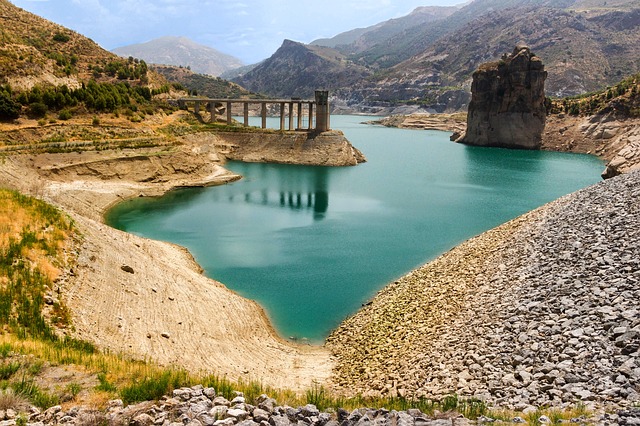
Sand dams are simple, low-cost, and effective structures built in arid and semi-arid regions to improve water availability by capturing and storing rainwater and sand. Here is a step-by-step guide to the construction of a sand dam:
1. Site Selection
- Community Involvement: Engage the local community to identify potential sites. Local knowledge is crucial for selecting a site that maximizes benefits and minimizes environmental impact.
- Hydrological Survey: Conduct a hydrological survey to understand the catchment area, annual rainfall, and water flow patterns. A site with a seasonal riverbed is ideal.
- Geological Assessment: Assess the geological conditions to ensure the presence of impermeable bedrock or clay layers beneath the riverbed, which will help retain water.
2. Design and Planning
- Dam Design: Design the dam based on the width and depth of the riverbed, expected water flow, and the volume of sand to be trapped. The height of the dam is typically 1-3 meters.
- Material Estimation: Calculate the quantity of construction materials needed, such as stones, cement, sand, and water.
- Permits and Approvals: Obtain necessary permits and approvals from local authorities and landowners.
3. Construction Preparation
- Mobilizing Resources: Gather construction materials and mobilize labor, which often includes community volunteers.
- Temporary Diversion of Water: If water is flowing in the riverbed, create a temporary diversion to allow construction in a dry area.
4. Foundation Excavation
- Clearing the Site: Clear vegetation and debris from the construction site.
- Excavation: Excavate the foundation trench down to the bedrock or an impermeable layer. The trench should be wide enough to support the base of the dam and deep enough to anchor it securely.
5. Building the Dam Wall
- Laying the Foundation: Place large stones in the foundation trench and secure them with a mix of cement and sand to create a solid base.
- Constructing the Wall: Build the wall in layers, using stones and a cement-sand mixture. The wall should be built at an angle, sloping upstream to withstand water pressure.
- Reinforcement: Reinforce the wall with steel bars or mesh, if available, to increase strength and stability.

6. Spillway Construction
- Designing the Spillway: Incorporate a spillway into the dam design to allow excess water to flow over the dam without damaging the structure.
- Constructing the Spillway: Build the spillway using stones and cement, ensuring it is slightly lower than the main wall to direct overflow.
7. Sand Accumulation
- Initial Flooding: After the first rains, the dam will capture water and sand carried by the river.
- Sand Deposition: Over time, sand will accumulate behind the dam, creating a sand reservoir that stores water within the sand particles.
8. Vegetation and Soil Conservation
- Planting Vegetation: Planting vegetation around the dam site helps stabilize the soil and reduce erosion.
- Terracing and Bunds: Implement soil conservation measures upstream to reduce sedimentation and increase water infiltration.
9. Maintenance and Monitoring
- Regular Inspections: Conduct regular inspections to check for cracks, erosion, or any structural damage.
- Community Involvement: Train the local community in basic maintenance and monitoring techniques.
- Repairs and Upgrades: Carry out necessary repairs promptly and consider upgrading the dam if required.
Benefits of Sand Dams
- Increased Water Availability: Sand dams store water, making it available during dry periods.
- Improved Agriculture: Enhanced water availability supports irrigation and improves agricultural productivity.
- Environmental Conservation: Sand dams help recharge groundwater and reduce soil erosion.
- Community Empowerment: The construction and maintenance process empowers the local community through skill development and involvement.
By following these steps, sand dams can significantly improve water security and resilience in arid and semi-arid regions, providing a sustainable solution to water scarcity.

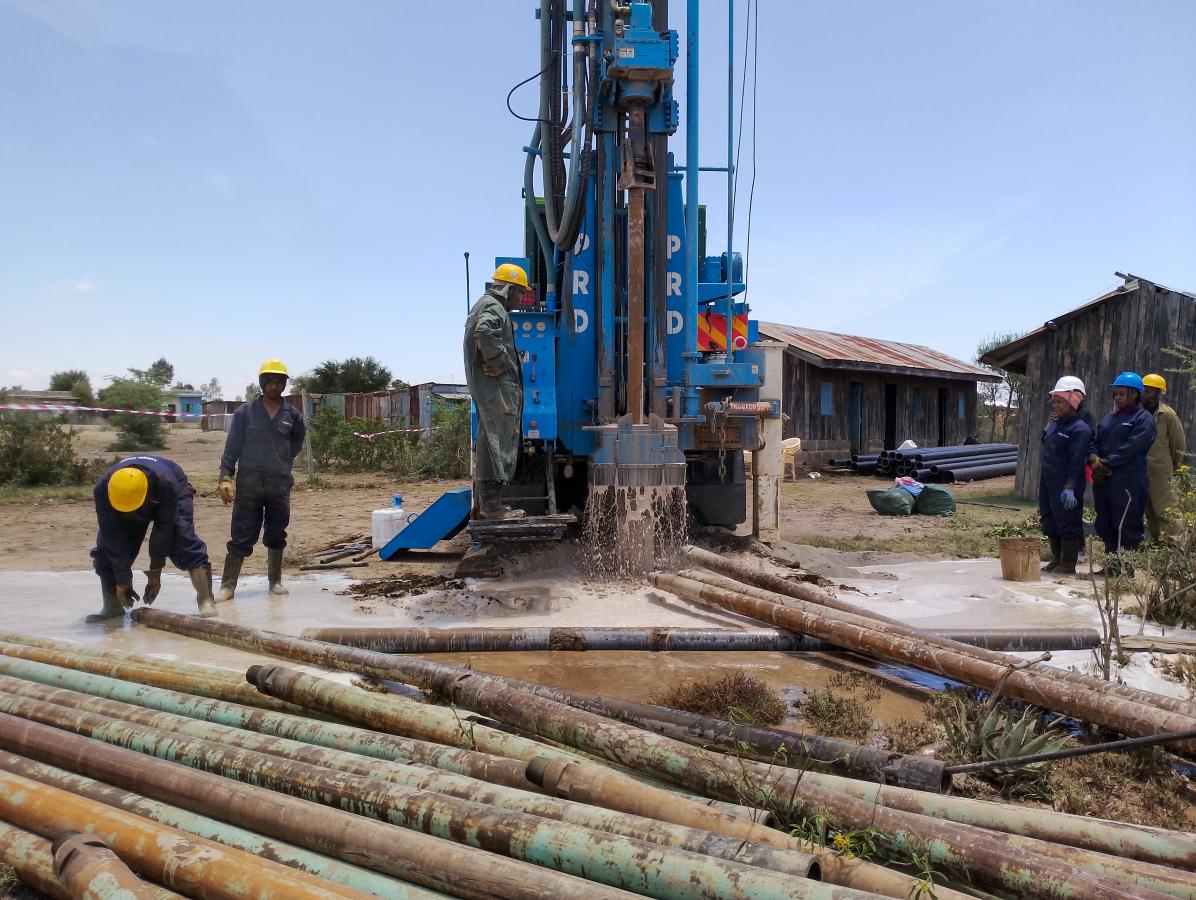








Dependent on other factors such as river dimensions, intended storage capacity among others.